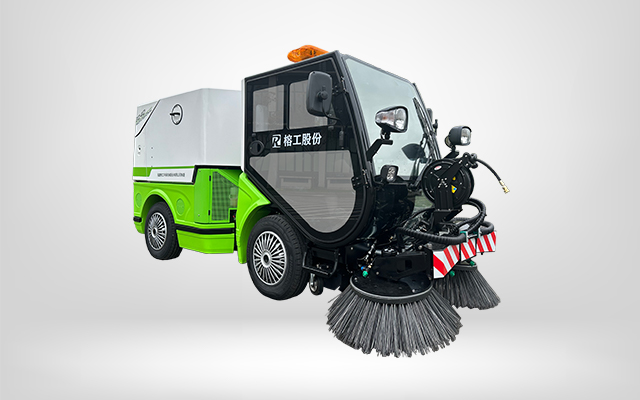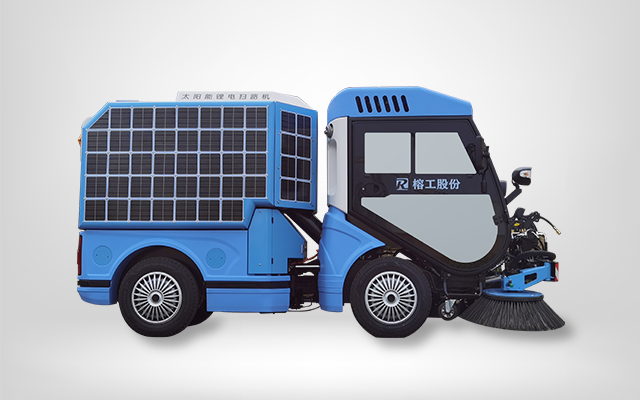
An industrial street sweeper machine is a powerful tool for maintaining large commercial facilities. These environments present unique cleaning challenges, from heavy production debris to fine, hazardous dust. A standard sweeper is often not equipped to handle such demanding conditions. An industrial sweeper is built for durability, power, and efficiency in these settings. This guide provides a comprehensive look at the industrial street sweeper machine. It covers the different types, their key applications, and best practices for operation. Understanding this equipment is the first step toward creating a cleaner, safer, and more productive industrial workplace.
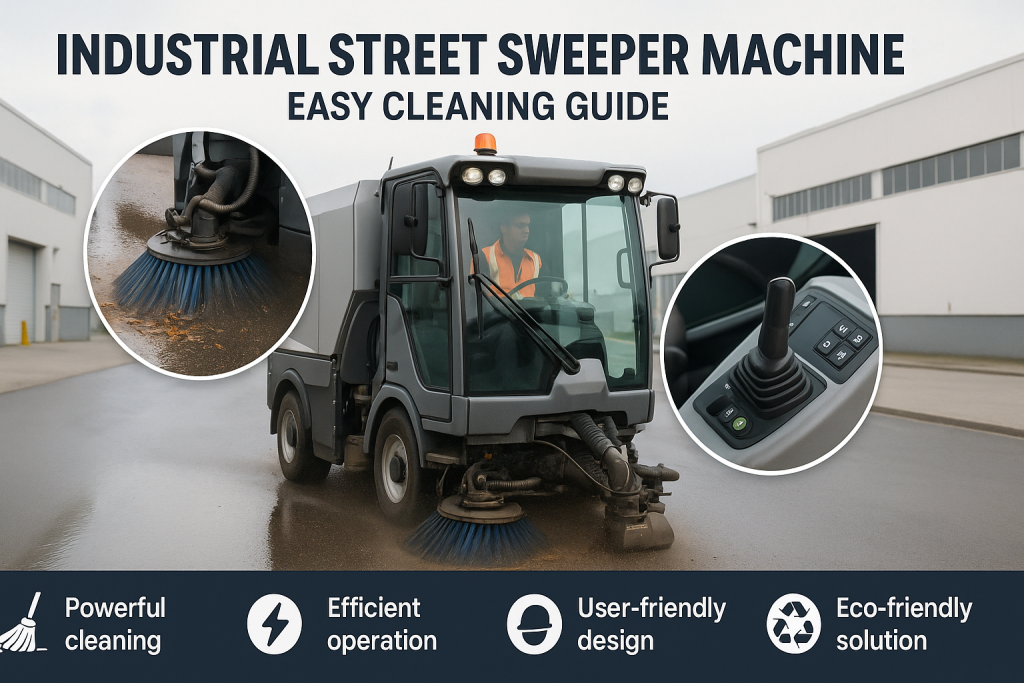
To fully appreciate the value of an industrial street sweeper machine, one must first understand its specific design and function. These machines are engineered for tasks far beyond typical street cleaning. Their construction, technology, and components are all tailored for the rigors of an industrial environment.
An industrial sweeper is set apart by its heavy-duty construction. Unlike models designed for municipal use, these machines feature a reinforced chassis and body panels. This robust build allows them to withstand the harsh conditions of a factory, construction site, or port. They are built to resist impacts and handle abrasive materials without failing. The hoppers are generally larger and made from thicker steel to manage heavier, denser debris like metal shavings, gravel, and aggregates.
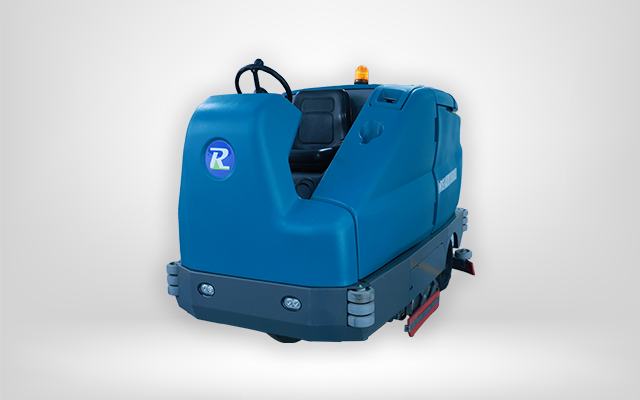
The power systems are also more substantial. They use larger engines or high-capacity battery systems to drive powerful hydraulic and suction components. This power is necessary to lift and contain industrial waste effectively. Industrial sweepers come in several forms. Walk-behind models are used for smaller, congested areas. Ride-on sweepers are the workhorses for large indoor and outdoor spaces. Truck-mounted units are deployed for the biggest jobs, such as cleaning large plant roads or material yards.
There are three primary sweeping technologies used in an industrial street sweeper machine. Each has its own strengths, suited to different types of debris. The first is mechanical broom sweeping. This technology uses a large main broom to physically throw debris onto a conveyor system, which then transports it into the hopper. It is extremely effective for heavy, bulky materials and is a common choice for construction and mining sites.
The second is vacuum sweeping. This method uses gutter brooms to move debris into the path of a powerful suction nozzle. It is excellent for lighter debris, litter, and general-purpose cleaning on paved surfaces. The third technology is regenerative air sweeping. This system creates a closed loop of circulating air. Air is blasted onto the pavement to dislodge debris, which is then immediately drawn up into the hopper. This method is exceptionally good at controlling fine dust, making it ideal for environments where air quality is a major concern. The history of these technologies is part of the broader story of the Street Sweeper.
Several key components work together in an industrial street sweeper machine. The brush system is the first point of contact with the debris. Gutter brooms clean along edges and walls. The main broom sweeps the primary path. Brushes are made from various materials, including durable polypropylene for general use and steel for aggressive cleaning of packed dirt. The hopper is the container for all collected material. Its capacity and the dumping mechanism are critical features. A high-dump system, which can empty directly into a large bin, greatly improves efficiency.
The dust control system is vital for safety and compliance. It typically involves a series of water spray nozzles that dampen debris before it is swept. This prevents dust from becoming airborne. A vacuum filtration system with large panel filters and a shaker mechanism further cleans the exhausted air. Finally, the power source determines the machine’s application. Diesel and LPG engines provide long run times for outdoor use, while electric battery power offers quiet, emission-free operation for indoor tasks.
The robust design of an industrial street sweeper machine makes it suitable for a wide range of demanding applications. Each environment has its own set of cleaning challenges, and these sweepers are built to meet them. They are essential for safety, efficiency, and regulatory compliance across many sectors.
Factories and manufacturing plants generate a wide variety of debris. This can include metal filings, wood dust, fine chemical powders, and other production waste. An industrial sweeper is essential for managing this material. Regular cleaning improves workplace safety by removing slip-and-fall hazards. It also protects the health of employees by controlling airborne dust.
In many manufacturing settings, cleanliness is also important for quality control. Dust and debris can contaminate sensitive products or damage delicate machinery. The powerful dust control systems on an industrial street sweeper machine are critical in these environments. By keeping floors clean, these machines contribute directly to a safer and more productive operation. The right factory floor cleaning road sweeper is a key asset for any modern production facility.
The floors of warehouses and distribution centers see constant traffic from forklifts and personnel. This activity generates dust from concrete floors and leaves behind debris from pallets and packaging. An industrial ride-on sweeper is the ideal tool for cleaning the long, open aisles found in these facilities. Its speed and wide cleaning path allow it to cover vast areas quickly.
A clean warehouse is an efficient warehouse. Regular sweeping prevents the buildup of dust that can damage inventory or interfere with automated systems. It also removes debris that could cause tire damage to forklifts. A well-maintained facility projects an image of professionalism to clients and provides a better working environment for staff. The proper warehouse road cleaning equipment is fundamental to modern logistics operations.
Ports and docks are some of the most challenging cleaning environments. They are exposed to the elements and handle a constant flow of heavy vehicles and cargo. Debris can include spilled materials, gravel, mud tracked in by trucks, and corrosive salt spray. An industrial street sweeper machine used in this setting must be exceptionally durable.
These machines play a vital role in both safety and environmental protection. They clear roadways of hazardous debris that could cause accidents. They also prevent loose materials from being washed into waterways during rainstorms. Regular sweeping is a key part of the environmental management plan for any port. A heavy-duty port and dock road sweeper is built to withstand these harsh conditions and deliver reliable performance day after day.
Construction and mining sites produce the heaviest and most abrasive debris. This includes dirt, rocks, sand, and cement dust. Only the most robust industrial sweepers can handle this type of cleanup. Mechanical broom sweepers are often the preferred choice due to their ability to pick up large, heavy materials.
These sweepers are crucial for site safety and environmental compliance. They are used for general site cleanup to reduce hazards. They are also essential for track-out control. This involves cleaning the entrance and exit points of a site to prevent trucks from carrying mud and debris onto public roads. This is often a regulatory requirement. An industrial sweeper is an indispensable tool for keeping a construction or mining operation running smoothly and responsibly.
Owning the right industrial street sweeper machine is only half the battle. Operating it correctly is key to achieving the best results and ensuring a long service life. Following a consistent process for daily use improves safety, efficiency, and machine longevity.
Before starting the machine for a shift, a thorough pre-operation check is essential. This routine inspection helps identify potential issues before they become serious problems. It is a critical habit for any professional operator.
This simple checklist, performed daily, is the foundation of a safe and reliable sweeping program.
Efficient operation saves time, fuel, and reduces wear on the machine. Start by planning the sweeping route. A logical path that minimizes sharp turns and backtracking will cover the area in the least amount of time. The operator should adjust the machine’s settings to match the conditions. The brush speed and downward pressure can be set for different surfaces and types of debris.
Maintaining the correct travel speed is also important. Driving too fast can result in a poor clean, leaving some debris behind. Driving too slowly wastes time and fuel. The operator should find the sweet spot that allows the machine to clean thoroughly in a single pass. Proper use of the dust control system is also key. Using just enough water to control dust without creating mud will provide the best results.
The work is not finished when the sweeping is done. Proper post-operation procedures are vital for maintaining the machine. The first step is to safely empty the hopper at a designated disposal site. A full hopper should not be left overnight, as debris can compact and be difficult to remove later. After emptying, the machine itself should be cleaned.
Pay special attention to the brushes, the hopper, and the filter system. Removing caked-on dirt and debris prevents corrosion and ensures the components can function correctly during the next use. Finally, park the sweeper in its designated spot and secure it. The operator should then log the hours of use and report any mechanical issues or damage they noticed during the shift. This communication is key to a proactive maintenance program.
Choosing the correct industrial street sweeper machine for your facility is a major decision. The right machine will provide years of reliable service, while the wrong one can lead to inefficiency and frustration. A careful evaluation of your specific needs is the most important step.
Begin by analyzing the job to be done. What is the primary type of debris you need to collect? Is it fine dust in a warehouse, or heavy gravel in a material yard? The debris type will guide your choice of sweeping technology. Regenerative air systems excel with fine dust, while mechanical brooms are better for heavy materials. Next, measure the total area you need to clean. This, combined with how often you need to sweep, will determine the required productivity rate, often measured in square feet or meters per hour.
Also, consider where the machine will be used. Will it be exclusively indoors, outdoors, or a mix of both? This is the primary factor in deciding the power source. An indoor-only machine should be electric to avoid emissions. An outdoor machine might need the longer run time of a diesel or LPG engine.
The choice between an electric and a combustion-powered industrial street sweeper machine has significant implications. Electric sweepers are quiet and produce zero exhaust emissions. This makes them the only suitable choice for indoor applications like warehouses and food processing plants. The main considerations for electric models are battery life and charging time. You need to ensure the machine can complete a full shift on a single charge.
Combustion engines, typically diesel or LPG, offer more power and longer, more flexible run times. They can be refueled quickly and are better suited for large, outdoor industrial sites like ports, lumber yards, and construction projects. The trade-offs are higher noise levels, emissions, and more complex engine maintenance. The best choice depends entirely on the specific application.
A direct purchase is not always the only or best option. Renting a machine can be a very smart choice in certain situations. If you have a short-term need, such as a post-construction cleanup project, a rental is much more cost-effective than a purchase. It can also be a solution for facilities with tight capital budgets.
Hiring a machine allows you to access the latest technology without the cost of ownership. Maintenance and repair costs are typically included in the rental agreement. It is also an excellent way to try a specific model before you buy it. When considering industrial street sweeper hire, look for a company with a well-maintained fleet and a strong reputation for service and support.
Modern industrial sweepers offer a range of advanced features that can enhance performance, safety, and durability. Understanding these options, along with the principles of good maintenance, will help you get the most out of your machine.
In many industrial settings, dust is more than just a nuisance; it can be a serious health hazard. Fine particles like silica dust can cause severe respiratory illnesses. An industrial street sweeper machine must have a superior dust control system. Look for machines with multi-stage filtration. Some models can be equipped with HEPA filters, which capture 99.97% of airborne particles.
This level of filtration is essential in sensitive environments like food production, pharmaceuticals, and electronics manufacturing. Effective dust control protects the health of your employees. It also prevents contamination of products and protects sensitive electronic equipment from damage. It is one of the most important safety features on a modern industrial sweeper.
The operator is the most important part of any sweeping operation. A machine that is comfortable and easy to use will be more productive. Look for features like an adjustable seat, a logical control layout, and excellent visibility from the cabin. Power steering and a tight turning radius reduce operator fatigue, especially during long shifts.
Safety features are non-negotiable. A ride-on sweeper should be equipped with a Roll-Over Protective Structure (ROPS) or Falling Object Protective Structure (FOPS) to protect the operator. Other essential safety features include powerful headlights, backup alarms, and clearly marked emergency stop buttons. A safe machine protects your most valuable asset: your people.
A reactive approach to maintenance, where you fix things only after they break, is inefficient and expensive. A proactive maintenance schedule is a much better strategy. This goes beyond the simple daily checks. It involves following the manufacturer’s recommended service intervals for tasks like changing oil and filters, inspecting hydraulic hoses, and lubricating moving parts.
Keeping a detailed log of all maintenance activities is also a good practice. This helps you track the machine’s history and spot potential recurring issues. A proactive maintenance program will significantly reduce unexpected breakdowns. It extends the service life of the machine and ensures it is always ready to perform at its best.
An industrial street sweeper machine is a fundamental asset for any large-scale commercial or industrial operation. It is crucial for maintaining safety, meeting regulatory standards, and promoting overall efficiency. By understanding the different technologies, applications, and operational procedures outlined in this guide, facility managers can make informed decisions. Selecting the right industrial street sweeper machine and operating it with care will result in a cleaner, safer, and more productive environment.
This is the first one.