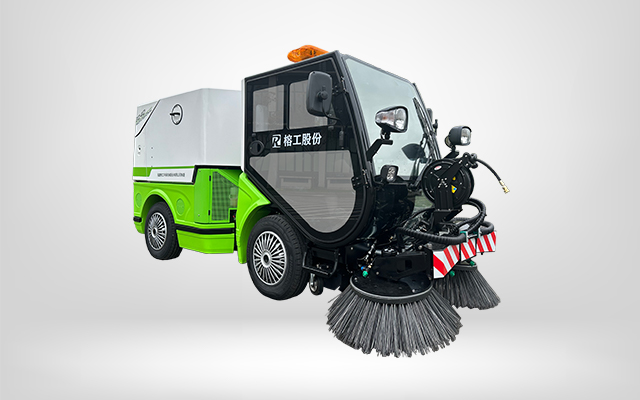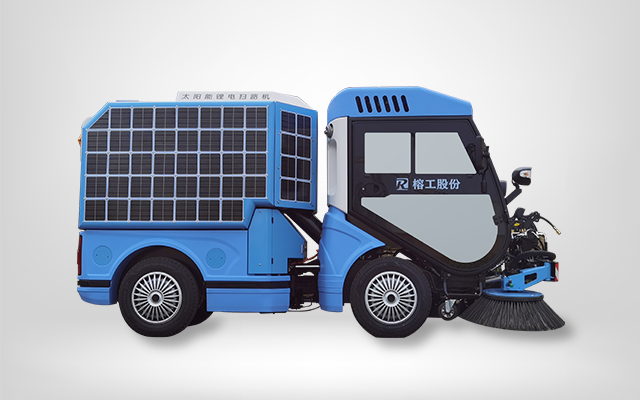
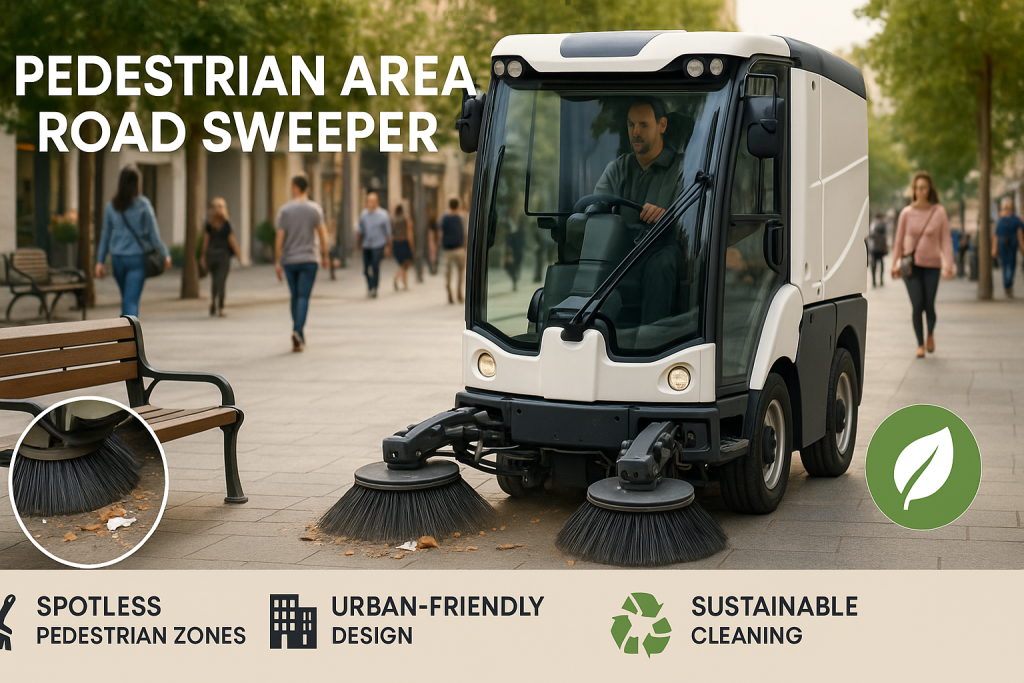
A pedestrian area road sweeper is a specialized machine designed for urban cleanliness. These machines are essential for maintaining the town squares, plazas, and shopping streets that form the heart of a community. Cleaning spaces created for people presents unique challenges. Standard vehicles are too large, loud, and unsafe for these environments. A pedestrian area road sweeper is engineered to be nimble, quiet, and exceptionally safe. This guide offers a complete look at these important machines. It covers their specific design, key benefits, applications, and the criteria for selecting the right model for any urban space.
Understanding the specific engineering behind a pedestrian area road sweeper reveals why it is so effective. Its design is fundamentally different from that of larger street sweepers. Every aspect is optimized for working in close proximity to people and complex urban furniture. These machines are a direct response to the needs of modern, people-centric city planning.
The first design principle is a compact physical footprint. A pedestrian area road sweeper must be able to navigate narrow passages between buildings, rows of benches, and other obstacles. To achieve this, these machines are built with extremely small dimensions and an exceptionally tight turning radius. Many models use an articulated steering system, where the machine pivots in the middle, allowing it to turn almost on the spot.
Low operating noise is another core principle. These areas are meant to be enjoyed by the public, and a loud machine would cause a significant disturbance. Engineers use advanced sound insulation and often prefer electric power sources to keep noise levels to an absolute minimum. Finally, operator visibility is paramount. The cabin is designed with large glass panels to provide an unobstructed 360-degree view. This constant awareness is crucial for preventing accidents in busy public areas.
While a pedestrian area road sweeper is a type of compact sweeper, it has key differences that make it even more specialized. It is typically smaller and more agile than a compact model designed for narrow streets with vehicle traffic. The primary distinction is the intense focus on safe, quiet operation around people. Electric power is the preferred choice, not just an option. This eliminates exhaust fumes and reduces noise to a whisper, making it suitable for indoor or semi-enclosed plazas.
The safety features are also more advanced. Controls are designed to be highly responsive and intuitive. Some models may incorporate advanced technology like pedestrian detection sensors or onboard camera systems. They also frequently come with specialized attachments. A wander hose, which is a long, flexible suction hose, is a common feature. It allows the operator to step out of the cabin and vacuum debris from hard-to-reach places like tree pits or under benches.
The cleaning technology inside a pedestrian area road sweeper is optimized for low disturbance. Pure vacuum systems are often favored over mechanical broom systems. A powerful fan creates strong suction to lift litter and debris, which is a much quieter process than the rotation of a large mechanical broom. This technology is very effective at picking up the types of litter commonly found in pedestrian zones, such as paper, cans, and food wrappers. The evolution of these systems is part of the broader history of the Street Sweeper.
Air quality is another major consideration. The air drawn into the machine must be filtered before it is exhausted. High-efficiency, and sometimes HEPA-grade, filters are used to capture fine dust, pollen, and other allergens. This ensures that the machine is cleaning the air as well as the ground. The water systems used for dust control are also sophisticated. They often use recirculation technology to conserve water and are designed to apply a fine mist that controls dust without making surfaces overly wet and slippery.
The deployment of a pedestrian area road sweeper brings numerous benefits to a community. These advantages extend beyond simple cleanliness. They contribute to public health, safety, economic vitality, and the overall quality of urban life. A clean public space is a more successful public space.
Cleanliness is directly linked to public safety. A pedestrian area road sweeper removes many common hazards. It picks up wet leaves, spilled food, and discarded drinks that can create dangerous slip-and-fall risks. It also collects sharp objects like broken glass or metal fragments that could cause injuries. By maintaining a clear and clean walking surface, these machines help prevent accidents.
The impact on public health is also significant. The powerful vacuum and filtration systems remove fine dust, allergens, and other particulates from the air and ground. This improves local air quality, which is beneficial for everyone, especially individuals with respiratory conditions. A clean environment is also less likely to attract pests. This commitment to a higher standard of hygiene is a core part of any effective city sanitation road sweeper program.
The appearance of a city’s public spaces has a profound effect on residents and visitors. A clean, well-maintained town square or promenade is more inviting. People are more likely to spend time in, and take care of, a space that is visibly cared for. This fosters a sense of community pride and ownership. A pedestrian area road sweeper is a key tool in achieving this high aesthetic standard.
This improved appearance can also have economic benefits. In pedestrianized shopping districts, a clean and pleasant environment encourages shoppers to stay longer and is more attractive to tourists. This supports local businesses. A commitment to cleanliness shows that a municipality values its public realms. It is a tangible investment in the community’s well-being, a principle at the heart of any community cleaning road sweeper initiative.
One of the greatest benefits of a specialized pedestrian area road sweeper is its ability to work without causing a major disruption. Because these machines are so quiet, especially the electric models, they can often operate during the day. This allows for a more responsive cleaning schedule. A spill or a sudden accumulation of litter can be addressed quickly, without waiting for late-night cleaning crews.
Their small size means they do not obstruct pathways or create bottlenecks in pedestrian flow. People can easily and safely move around the machine as it works. The absence of exhaust fumes means there are no unpleasant smells or air pollution. This unobtrusive nature is what makes them truly suitable for people-centric spaces. They perform their vital function while blending seamlessly into the background of urban life.
The unique design of a pedestrian area road sweeper makes it the ideal solution for a variety of specific urban locations. These are places where cleanliness is highly visible and where conventional cleaning methods are impractical or disruptive.
Town squares and public plazas are the civic and social hearts of many communities. They host events, markets, and daily gatherings. This high level of activity inevitably leads to a significant accumulation of litter. A pedestrian area road sweeper is perfectly suited for these large, open spaces. It can efficiently clean the main areas while being nimble enough to navigate around benches, planters, fountains, and other permanent fixtures. During markets, it can clean up quickly after vendors pack up for the day.
Many cities have converted shopping streets into pedestrian-only zones to create a more pleasant retail experience. These streets require constant upkeep to remove litter from shoppers and outdoor diners. A pedestrian area road sweeper can easily maneuver around the street furniture, kiosks, and outdoor seating that characterize these areas. Keeping these commercial zones pristine is crucial for attracting customers and supporting the local economy. A dedicated road sweeper for pedestrian zones is the most efficient tool for this task.
The grounds of a university or a large corporate campus are often designed with extensive pedestrian pathways, quads, and courtyards. These areas require a high standard of maintenance to reflect the institution’s image. A pedestrian area road sweeper can navigate these complex layouts, keeping them clean for students, employees, and visitors. Its quiet operation means it can work at any time of day without disrupting classes or business meetings. It is a safe and effective solution for maintaining large institutional grounds.
Locations with a constant flow of people, such as train station platforms, bus terminals, and amusement parks, generate a huge volume of litter. A pedestrian area road sweeper offers the speed and capacity to handle this challenge. Its agility allows it to work in these constantly busy environments. It can clean pathways in parks or queuing areas at a theme park, enhancing the experience for all visitors. The ability to keep these high-traffic hubs clean is essential for public satisfaction and safety.
Choosing the right pedestrian area road sweeper requires a careful evaluation of your specific needs and the features of the available machines. It is a significant investment, and a thorough selection process will ensure you get the best tool for the job.
Before you can choose a machine, you must deeply understand the environment where it will work. A detailed site assessment is the crucial first step. This evaluation should document several key factors.
This data will create a clear profile of your needs, allowing you to compare different models effectively.
For a pedestrian area road sweeper, the choice of power source is critically important. While some small combustion models exist, electric power is overwhelmingly the preferred and most logical option for these applications. The benefits are undeniable. Electric sweepers produce zero localized emissions, which is essential for air quality in public spaces. They operate at extremely low noise levels, allowing for daytime cleaning without disturbance. They also typically have lower maintenance costs, as there are no oil changes or complex engine parts to service.
The primary considerations for an electric model are its battery capacity and charging requirements. You must ensure the machine’s run time is sufficient to clean the entire designated area on a single charge. You also need to have the proper charging infrastructure in place. When evaluating the total cost, the higher initial price of an electric model is often offset by lower fuel and maintenance costs over its lifespan.
Since these machines operate in close proximity to the public, safety features are the most important consideration. The operator must have complete confidence and control at all times. Uncompromised 360-degree visibility from the driver’s seat is the first thing to look for. The cabin should feel open, with minimal blind spots. The controls should be ergonomic, intuitive, and highly responsive.
A reliable, fail-safe braking system is also a must. Many modern machines offer advanced safety options like onboard camera systems that display a view of the rear and sides of the machine. Proximity sensors that alert the operator to nearby obstacles or people can provide an additional layer of safety. Investing in a machine with superior safety features protects the public and the operator.
The total value of a pedestrian area road sweeper goes beyond its purchase price. When budgeting, consider the long-term operational costs, including electricity for charging, routine maintenance, and the eventual cost of battery replacement. These costs should be weighed against the significant benefits the machine provides. These include reduced manual labor costs, improved public health and safety, and enhanced economic activity in cleaner commercial areas.
When it comes to purchasing, public works departments often need detailed proposals for their budgeting and procurement processes. It is important to work with a supplier who understands these requirements. They should be able to provide detailed information and transparent pricing. Seeking public works street sweeper quotes from reputable suppliers is a key step in planning for this important acquisition.
Deploying a pedestrian area road sweeper effectively requires more than just the right machine. It requires well-trained operators, smart scheduling, and a commitment to proper maintenance. These operational practices ensure you get the maximum benefit from your investment.
Operating a sweeper in a busy public space is very different from sweeping an empty street. Operators need specialized training that focuses on situational awareness. They must be taught to be constantly vigilant and to practice defensive operating techniques. This includes maintaining safe speeds, giving pedestrians ample space, and communicating clearly with hand signals if necessary.
Training should also cover protocols for positive interaction with the public. The operator is a visible representative of the city or property management. They should be professional and courteous. They also need to learn specific techniques for cleaning effectively around delicate street furniture, public art, and landscape features to avoid causing damage.
Creating an effective cleaning schedule is a balancing act. The goal is to clean when it will have the most impact, but with the least amount of disruption to public activity. Early morning or late evening hours are often ideal. However, the quiet nature of electric sweepers provides greater flexibility. They can be used to respond to cleaning needs during lulls in foot traffic throughout the day. Coordinating the cleaning schedule with local businesses and the organizers of public events is also a good practice. This collaborative approach ensures that the public spaces are always looking their best when they are most active.
A consistent maintenance routine is essential for keeping a pedestrian area road sweeper running safely and reliably. The daily checks performed by the operator are the first line of defense. Because these machines work so close to the public, every safety feature must be checked daily. The filtration system needs to be cleaned regularly to maintain good air quality. The water system for dust suppression must be kept in perfect working order to prevent slippery wet spots. A machine that is itself kept visibly clean also projects an image of professionalism and care. Following the manufacturer’s recommended service schedule will prevent major breakdowns and ensure the machine has a long, productive life.
A pedestrian area road sweeper is a vital tool for modern urban management. It provides a specialized solution for creating clean, safe, and attractive public spaces where people gather. Its unique design allows it to work effectively and unobtrusively in the heart of a community. By choosing the right machine and operating it with care, a municipality or property owner makes a powerful investment in community well-being, public health, and civic pride. The modern pedestrian area road sweeper is an essential component of a thriving urban environment.
This is the first one.