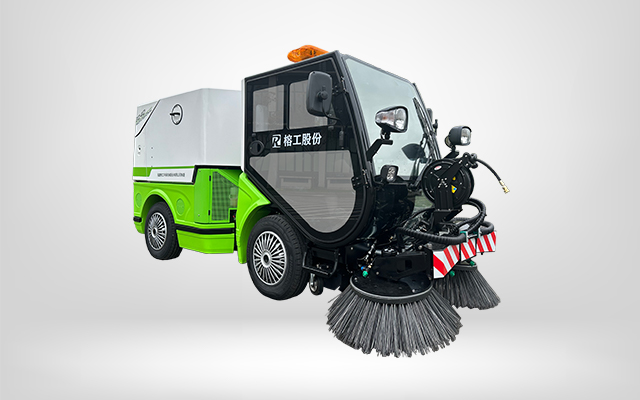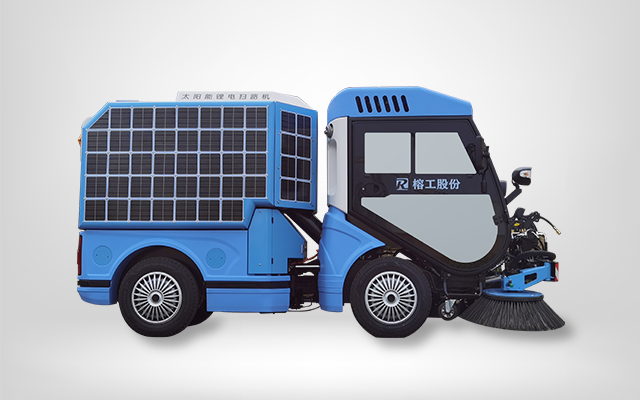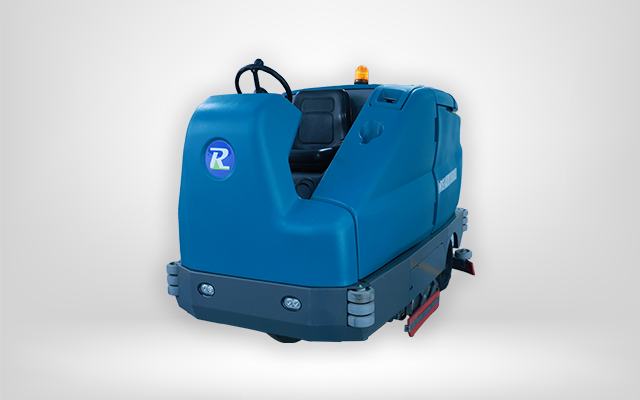
The government road sweeper procurement process is a complex but critical function for public works. A successful outcome, one that delivers the right machine at the best value, depends on careful planning and the avoidance of common pitfalls. These mistakes can lead to acquiring unsuitable equipment, unexpected cost overruns, and years of operational headaches. The financial and public service consequences of a flawed procurement can be significant. This guide identifies the most common mistakes made during the government road sweeper procurement process and provides clear, actionable strategies to avoid them, ensuring a better result for the agency and the community it serves.
The most fundamental errors in government road sweeper procurement often happen at the very beginning of the process. A failure to conduct a thorough and modern needs assessment is a mistake that can undermine the entire project. This initial phase must be comprehensive, inclusive, and grounded in current realities, not past assumptions.
A very common and costly error is simply reusing the specifications from the last tender document. Procurement officials, facing tight deadlines, may copy and paste the requirements from a purchase made five or even ten years ago. This approach ignores the fact that a community’s needs are constantly evolving. New residential or commercial developments may have been built. The types of debris may have changed. The road network itself might be different.
Relying on old specs can lead to purchasing a machine that is no longer the right fit for the current challenges. The solution is to treat every procurement as a brand-new project. A fresh, detailed analysis of the current cleaning requirements is essential. This includes mapping all routes, identifying problem areas, and quantifying the types and volumes of debris that need to be collected.
Decisions made exclusively in an administrative office, without input from frontline staff, are often flawed. The operators who drive the sweepers and the mechanics who maintain them possess an invaluable wealth of practical knowledge. They know the limitations of the current fleet. They understand which features are genuinely useful and which are just marketing gimmicks. They know which components fail most often.
Ignoring this firsthand experience is a major mistake. The solution is to form an inclusive procurement committee. This team should include not only procurement officers and managers but also representatives from the operator and maintenance teams. Their feedback should be a primary driver in developing the new specifications. This collaborative approach ensures that the chosen machine is not just good on paper, but also effective and reliable on the street.
A road sweeper is not a one-size-fits-all piece of equipment. A machine that performs brilliantly in one geographical area may be completely unsuitable for another. A common mistake is to select a model based on its reputation in a different region, without considering local conditions. Climate is a major factor. A region with heavy rainfall requires a sweeper with excellent wet-debris performance. An area with a long autumn season needs a machine capable of handling huge volumes of leaves.
Terrain also matters. A sweeper that works well on flat ground may struggle with the steep grades found in a hilly city. The solution is to meticulously document all specific local challenges. This includes factors like the prevalence of industrial grit, sand from winter road treatment, or the presence of narrow, historic streets. These local conditions must be a central part of the needs assessment.
Once the needs have been thoroughly assessed, the next critical phase is drafting the tender document and specifications. Errors made at this stage can severely limit competition, lead to the purchase of inferior equipment, and fail to secure long-term value for the taxpayer.
There are two opposite but equally damaging mistakes in specification writing. The first is writing overly restrictive specs. This often happens when the document is written with a single, preferred brand or model in mind. This practice, known as “spec’ing out” the competition, is unfair and leads to higher prices. The second mistake is writing specs that are too vague. This opens the door for bids from suppliers of low-quality, unsuitable machines that may meet the loose requirements on paper but will fail in the real world.
The solution is to focus on performance-based specifications. Instead of defining the exact design of a component, define the job it needs to do. For example, instead of specifying a certain engine horsepower, specify the required travel speed and the ability to maintain sweeping power on a certain grade. This approach encourages competition and innovation among suppliers.
Perhaps the most common mistake in all of government road sweeper procurement is awarding the contract based solely on the lowest initial bid. This “low-bid trap” is a primary cause of long-term dissatisfaction. The purchase price is only one component of a machine’s total cost. A machine that is cheap to buy but expensive to operate is not a good value.
This narrow focus completely ignores critical factors like fuel consumption, the cost of routine maintenance, the price of wear items like brushes, and the machine’s expected lifespan. The solution is to develop and use a Total Cost of Ownership (TCO) model for evaluating bids. This model calculates the estimated cost of owning and operating each machine over a set period, providing a much more accurate picture of its true value.
A tender document that focuses only on the technical specifications of the machine is incomplete. A road sweeper is a complex piece of equipment that will require service and parts throughout its life. A major mistake is failing to define the requirements for after-sales support within the tender itself. This leaves the agency vulnerable to poor service after the sale is complete.
The solution is to include specific, measurable requirements for support. The tender should specify the required warranty period for key components. It should demand guaranteed availability of spare parts for a certain number of years. It can even set requirements for service technician response times. Making support a formal, contractual part of the procurement protects the investment.
Choosing the right partner is as important as choosing the right machine. The evaluation process must be diligent and thorough. Cutting corners at this stage can lead to a partnership with a supplier who is unable to meet their long-term obligations, leaving the agency with an unsupported piece of equipment.
Purchasing a road sweeper based on brochures, videos, and technical data sheets alone is a significant risk. This mistake prevents the evaluation team from seeing how the machine actually performs in their unique local environment. A data sheet cannot tell you how well a sweeper picks up wet leaves from your specific type of pavement or how it navigates the tight corners in your oldest neighborhood.
The solution is to make a mandatory, on-site demonstration a key, scored component of the evaluation process. All qualified bidders should be required to bring their machine to your city. Your own operators should be given the chance to drive it on your routes. This real-world test is the single best way to validate a supplier’s performance claims.
Taking a supplier’s sales claims and marketing materials at face value without independent verification is a serious oversight. This mistake ignores one of the most valuable sources of information available: other government agencies.
The solution is to require all bidders to provide a list of other municipal or public sector clients who use the same or similar equipment. Your procurement team should then contact these references directly. Ask them candidly about their experience with the machine’s reliability and the supplier’s support. This peer-to-peer feedback is honest and invaluable. It provides a real-world picture of what it is like to be a long-term customer of that supplier.
A supplier may offer a quality product but have little or no experience working with government clients. This can lead to significant friction and misunderstanding throughout the procurement and ownership lifecycle. They may not understand the specific requirements of government purchasing, invoicing, and contract compliance.
The solution is to give preference to suppliers who have a proven track record of successfully serving the public sector. A dedicated council street sweeper supplier will have a team and processes specifically designed to handle the unique demands of government clients. This experience can make the entire process smoother and more professional.
The warranty is the manufacturer’s promise about the quality and durability of their product. A mistake is to treat the warranty as a minor detail or a piece of boilerplate text. A weak or unclear warranty can expose the government agency to significant and unbudgeted repair costs for premature failures.
The solution is to carefully scrutinize and compare the warranty terms offered by each bidder. Look at what is covered and for how long. A comprehensive warranty should cover not just the engine but also the chassis, hopper, and critical hydraulic and electronic components. A strong warranty is a sign of the manufacturer’s confidence in their own product.
The government road sweeper procurement process involves more than just technical specifications and supplier selection. It also requires careful financial planning and logistical coordination. Oversights in these areas can lead to budget shortfalls and a chaotic rollout of the new equipment.
A common financial mistake is to secure a budget that only covers the initial purchase price of the sweeper. This narrow view fails to account for all the other costs associated with owning and operating the machine. These include costs for operator and mechanic training, the initial stock of spare parts, fuel, and routine maintenance.
The solution is to develop a comprehensive lifecycle budget at the very beginning of the process. This should be used to secure the necessary funding. The first step in creating this budget is to get accurate and detailed public works street sweeper quotes that include not just the machine price but also the costs of optional features, training, and extended warranties.
Assuming that a direct, outright purchase is the only way to acquire a new road sweeper is a mistake that can limit an agency’s options. For certain needs, a direct purchase may not be the most fiscally efficient model. For example, buying a large, specialized leaf-collection machine that is only used for two months a year may not be a good use of capital funds.
The solution is to actively explore alternative acquisition models. Leasing a machine can be an effective way to manage capital budgets while still getting new equipment. For very short-term or seasonal needs, a municipal road sweeper rental is often the smartest choice. Cooperative purchasing agreements can also offer significant savings.
A major logistical mistake is to have no clear plan in place for when the new machine arrives. It is delivered to the depot, but no one has been scheduled for training, the mechanics are unfamiliar with the new systems, and no specific routes have been assigned to it. This leads to a chaotic and inefficient rollout.
The solution is to develop a detailed integration plan well before the machine is delivered.
A smooth integration ensures that the agency starts realizing the benefits of its new asset from day one.
Finally, a successful government road sweeper procurement process should be strategic. It should look beyond the immediate purchase and consider the long-term needs and goals of the community. A purely transactional approach can lead to decisions that quickly become outdated.
Buying a machine that only solves today’s problems without an eye toward the future is a strategic error. The world of municipal cleaning is changing. Environmental regulations are becoming stricter. Public demand for quieter, cleaner operations is growing. A procurement process that ignores these trends can result in the purchase of a machine that is obsolete before its time. For example, buying a new diesel sweeper for a city center that is likely to become a low-emission zone in a few years is a poor long-term decision.
The solution is to incorporate future trends and technologies into the planning process. Consider the benefits of electric or alternative-fuel sweepers. Look at machines with advanced data collection and telematics capabilities. This forward-thinking approach ensures that the investment remains valuable for its entire service life.
There is often an institutional assumption that owning and operating all equipment in-house is the only way. This is not always the case. For certain specialized or infrequent cleaning tasks, outsourcing to a professional contractor can be a more cost-effective and efficient solution. This is especially true for tasks that require very expensive, specialized equipment that would be underutilized if owned by the agency.
The solution is to conduct an honest cost-benefit analysis of ownership versus outsourcing for specific tasks. Using contract road cleaning machines can provide access to the latest technology and skilled operators without the high capital and maintenance costs of ownership. It should be considered as a valid strategic option.
A final mistake is to treat the procurement as a one-time event. Once the purchase is complete, the files are closed, and the valuable knowledge gained during the process is lost. When the time comes to purchase the next machine years later, the new procurement team is forced to start from scratch, often repeating the same mistakes. The long history of the Street sweeper shows a constant need for new equipment.
The solution is to create a comprehensive record of the entire procurement process. This file should document the needs assessment, the TCO calculations, the results of the demonstrations, and any lessons learned along the way. This creates an institutional memory that makes each future procurement more efficient and effective than the last.
By avoiding these common mistakes, public works and procurement officials can navigate the complex process of acquiring a new road sweeper successfully. A strategic, inclusive, and diligent government road sweeper procurement process is not simply about buying a machine. It is about making a wise, long-term investment that delivers the best possible value to the community.
This is the first one.