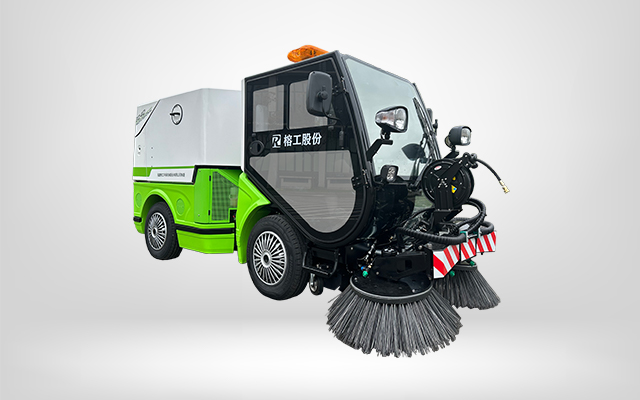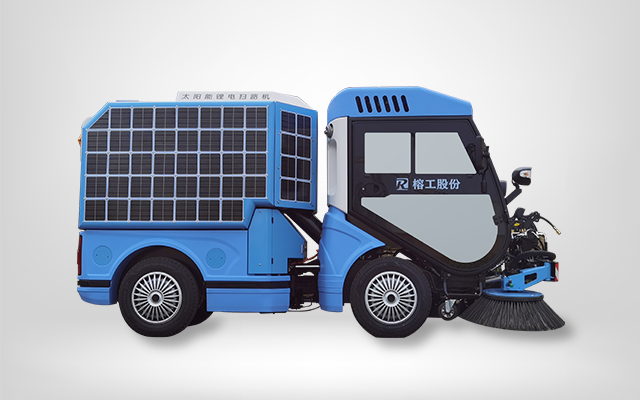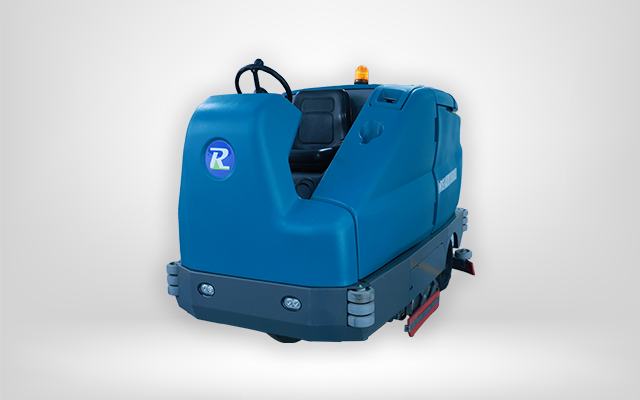
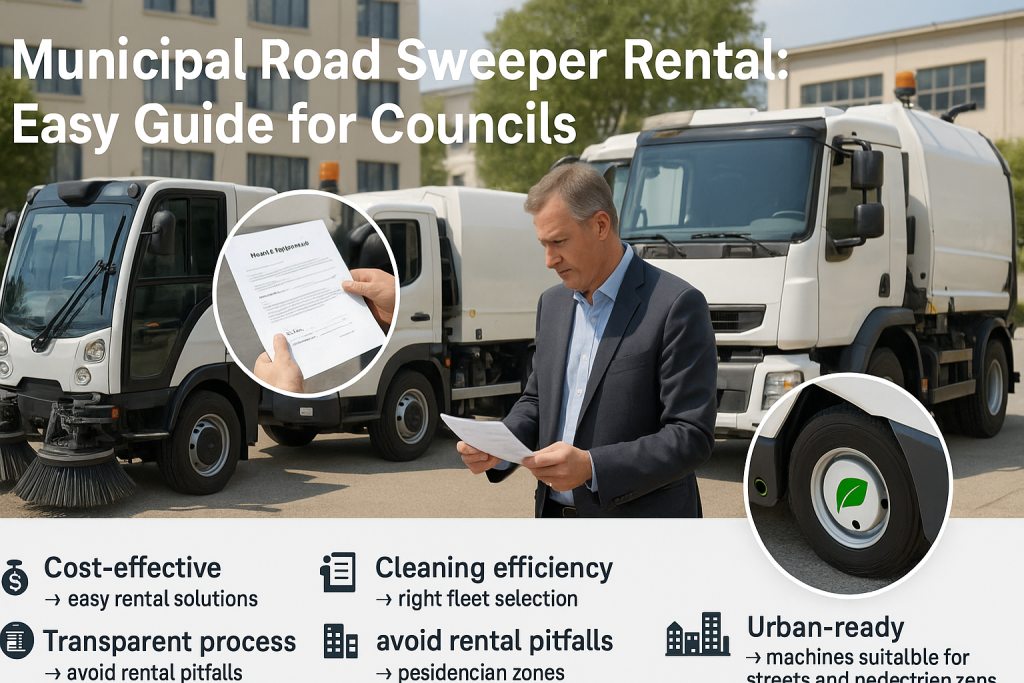
Municipal road sweeper rental offers a flexible and cost-effective solution for local councils. While owning or leasing a fleet of sweepers is essential for routine cleaning, not every sanitation need requires such a long-term commitment. For seasonal peaks, special events, or unexpected emergencies, rental services provide immediate, on-demand access to specialized equipment. This allows public works departments to scale their capabilities precisely when needed without the financial burden of ownership. This guide provides an easy-to-follow overview for councils on how to strategically and effectively use municipal road sweeper rental services to enhance their operations and serve their communities better.
The decision to rent a street sweeper is a strategic one, driven by a desire for financial prudence and operational agility. The benefits of a municipal road sweeper rental are clear and compelling, offering a practical solution to many of the challenges that public works departments face. Understanding these core advantages is the first step in leveraging rentals as a smart fleet management tool.
The most significant and immediate benefit of renting is the complete avoidance of a large capital outlay. Purchasing a new road sweeper requires a substantial allocation from a council’s capital budget, a process that can be long and complex. A municipal road sweeper rental bypasses this entirely. The cost of the rental is paid from the operational budget, the same way other day-to-day services are funded.
This makes it much easier and faster to acquire a machine for an immediate or short-term need. It preserves the council’s precious capital funds for other critical, long-term infrastructure projects. This financial flexibility is the primary reason why so many councils turn to rental solutions.
A reputable rental company invests heavily in maintaining a diverse and modern fleet of equipment. For a local council, this provides an incredible advantage. It means they can rent the perfect, specialized machine for a very specific job, rather than trying to make do with a general-purpose machine from their own fleet.
If a major road construction project requires a heavy-duty mechanical broom sweeper, a council can rent one for the duration of the project. If a special event in a pedestrian plaza requires a small, quiet, electric model, that can be rented for the weekend. A municipal road sweeper rental provides access to a much wider range of technology than most councils could afford to own outright.
Owning a complex piece of equipment like a street sweeper comes with the ongoing costs and risks of maintenance and repairs. A major component failure can result in a large, unbudgeted repair bill. When a council opts for a municipal road sweeper rental, this risk is eliminated. The rental company retains full ownership of the machine and is therefore responsible for all scheduled maintenance and any unexpected repairs.
This provides the council with complete budget certainty. The rental fee is a fixed cost, with no surprise expenses. It also reduces the workload and the need for specialized expertise in the council’s own maintenance workshop, allowing in-house mechanics to focus on the core, long-term fleet.
A municipal road sweeper rental is a powerful tool, but it is not the solution for every situation. It is a short-term, tactical solution. Understanding the specific scenarios where renting is the most logical and cost-effective choice is the key to using this service strategically.
The most classic and compelling use case for a municipal road sweeper rental is the management of seasonal peaks in demand. In many regions, the autumn leaf season presents a massive, but temporary, cleaning challenge. The volume of debris can be ten times greater than during other parts of the year, overwhelming a council’s standard fleet.
Purchasing extra sweepers that would sit idle for the other nine months of the year is not a financially sound strategy. Renting is the perfect solution. A council can bring in several additional sweepers for the two or three months of the heavy leaf fall season. This provides the necessary surge capacity to keep the streets clean and the storm drains clear, and it does so in the most cost-effective way possible.
Public works departments must always be prepared for the unexpected. A major storm can leave roads covered in mud, fallen branches, and other debris. A traffic accident can result in a large spill that needs to be cleaned up immediately. A municipal road sweeper rental allows a council to quickly access the specific equipment needed to respond to these emergencies without delay.
Similarly, planned special events like parades, street festivals, and marathons require significant cleanup efforts. Renting additional sweepers for the days surrounding the event ensures that public spaces can be cleaned and returned to normal use as quickly as possible. Rental provides the on-demand operational flexibility that these unique situations require.
Even with the best maintenance program, a council-owned sweeper will occasionally need to be taken out of service for a major repair or overhaul. This can leave a significant gap in the cleaning schedule. A municipal road sweeper rental is the ideal solution to fill this temporary void.
A replacement machine can be brought in quickly, ensuring that the daily cleaning routes are not missed. This is a critical part of a resilient and professional fleet management plan. It ensures that the level of public service remains consistent, even when there are mechanical issues with the core fleet. It is a form of operational insurance.
Renting can also be a very smart strategic move when a council is in the process of procuring a new machine. Reading brochures and watching videos is one thing, but there is no substitute for real-world testing. Renting a specific model that you are considering for purchase is the ultimate on-site demonstration.
By using the machine on your own routes, with your own operators, for a week or two, you can gather invaluable, firsthand data on its performance, fuel efficiency, and ease of use. This low-risk, hands-on experience can help to validate your purchasing decision and ensure that the long-term investment you are about to make is the right one.
The success of your rental experience will depend heavily on the quality and professionalism of the company you partner with. All rental companies are not created equal. It is important to evaluate potential partners carefully to ensure they can provide the level of service and the quality of equipment that a public agency requires.
While there may be many general equipment rental companies, it is always best to partner with a specialist. A company that focuses on providing equipment to the public sector will have a much deeper understanding of your needs. An expert municipal road sweeper supplier that also offers a robust rental program is often the ideal choice.
These companies will have the correct types of machines in their fleet. They will be familiar with government purchasing and invoicing procedures. They will understand the high standards of reliability and safety that a council requires. A specialist partner will speak your language and be better equipped to meet your expectations.
A good rental company is proud of its fleet and invests heavily in keeping it in top condition. Before entering into an agreement, it is important to assess the quality of their machines.
A well-maintained fleet is a reliable fleet.
When you have a rental machine on-site, it is a critical part of your operation. If a problem arises, such as a mechanical issue or a flat tire, you need to know that you can get fast and effective support from the rental company. Before you sign a contract, ask about their service procedures.
Inquire about their typical response time for a service call. Find out if they have mobile service technicians who can come to your location to perform repairs. The professionalism and responsiveness of a company’s support team are just as important as the physical condition of the equipment they provide.
The rental contract is a legally binding document. It should be written in clear, easy-to-understand language. Read it carefully before signing. The agreement must clearly state the rental rates and any potential additional charges. It should specify the limits on usage, such as the number of operating hours included in the base rate.
The contract must also be explicit about the responsibilities of each party. Typically, the rental company is responsible for all maintenance, while the council is responsible for fuel and daily operator checks. A professional company will provide a transparent and fair agreement with no hidden fees or ambiguous clauses.
The pricing for a municipal road sweeper rental can be structured in several different ways. Understanding these common structures will help a council to choose the most cost-effective option for its specific needs and to budget for the service accurately.
Rental rates are almost always tiered based on the duration of the rental. The shortest-term option, often called daily road sweeper hire services, will have the highest per-day cost. A weekly rate will offer a discount over the daily rate, and a monthly rate will be the most cost-effective option for longer-term needs. A council should carefully estimate the duration of its need to select the most advantageous rate tier.
There are two main models for renting equipment. The most common form of municipal road sweeper rental is a “dry hire.” In this model, the council rents only the machine. It is then responsible for providing its own trained and qualified operator.
The alternative is a “wet hire.” In this model, the rental price includes both the machine and a skilled operator provided by the rental company. A wet hire can be a good option if a council is renting a highly specialized type of sweeper for which it does not have any trained staff. It is also a solution for very short-term needs where training an in-house operator would not be practical.
A road sweeper is a large and heavy piece of equipment that requires specialized transport. The cost of delivering the machine to the council’s depot at the start of the rental period and picking it up at the end is a significant logistical expense. This cost is typically not included in the base rental rate. The rental quote should always include a separate, clear line item for these transportation, or “mobilization,” costs.
A municipal road sweeper rental should not be viewed as just an emergency measure. It should be a planned and integral part of a sophisticated and strategic approach to fleet management. The most efficient public works departments use a blend of different acquisition methods.
The most advanced and financially savvy fleet strategy is a blended one. This model provides the ultimate in flexibility and cost-effectiveness. A council might choose to own a small number of core sweepers that handle the most consistent, year-round routes. It could then lease several other machines on a multi-year basis to keep the bulk of its fleet modern and to have predictable costs.
Finally, it would use a municipal road sweeper rental to handle all the peaks and valleys of demand. This “fleet elasticity,” as it is sometimes called, ensures that the council always has the exact right number of machines to meet its needs, without ever paying for underutilized assets. This is the essence of a modern road sweeper rental for cities strategy.
It is important for a council to know when a recurring short-term need should transition into a long-term solution. If a council finds itself renting an extra machine for the same three months every single year, it may be time to consider a long-term lease instead. A lease will almost always be more cost-effective than a recurring, multi-month rental.
A good equipment partner, one that is both a rental provider and a road sweeper leasing company, can help a council with this analysis. They can provide the data and the financial modeling to determine the most cost-effective solution for these consistent, extended needs.
The way public agencies acquire equipment has evolved significantly over time. The traditional model, based exclusively on direct ownership, is giving way to these more flexible and strategic approaches. The growing complexity and cost of modern machines, as can be seen in the history of the Street sweeper, has made these service-based models more and more attractive. Leasing and renting are now recognized as smart financial tools that allow public agencies to do more with less.
A well-planned municipal road sweeper rental strategy is a powerful tool for any local council. It is much more than just a backup plan for emergencies. It is a key component of a modern, flexible, and financially responsible approach to fleet management. By partnering with a professional rental company, a council can ensure it always has the right equipment to meet the changing needs of its community, delivering a higher level of service in the most efficient way possible.
This is the first one.