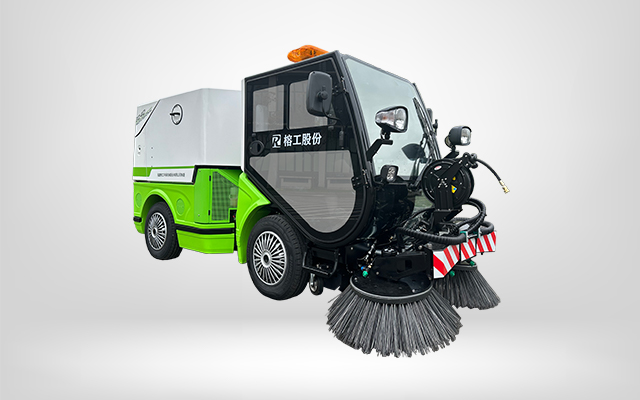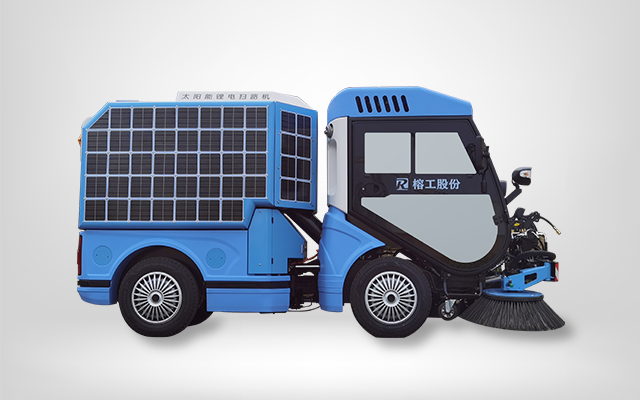
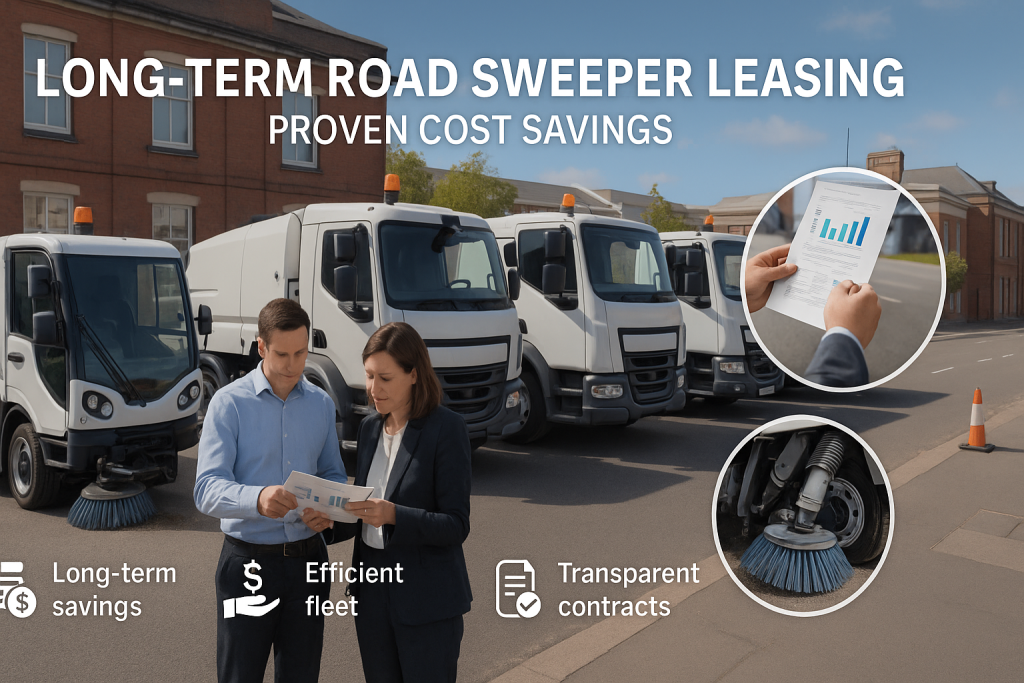
Long-term road sweeper leasing is a strategic financial tool for managing municipal and commercial fleets. For organizations that require cleaning equipment for their core, year-round operations, this model offers a path to acquiring modern, reliable machines with predictable, budget-friendly costs. The proven cost savings of a well-structured leasing program extend far beyond the simple avoidance of the initial purchase price. They encompass lower operational expenses, reduced maintenance burdens, and the elimination of long-term financial risks. This guide will provide a detailed exploration of the proven cost savings associated with long-term road sweeper leasing and will offer insights on how to maximize these benefits.
The most fundamental way that long-term road sweeper leasing saves an organization money is by changing the financial nature of the acquisition. It shifts the cost of the equipment from a large, upfront capital expenditure (CapEx) to a series of smaller, regular operating expenditures (OpEx). This has profound and positive implications for financial planning and resource allocation.
The most obvious and significant saving comes from not having to spend a massive lump sum of money to purchase a new road sweeper. These are expensive, specialized machines, and buying one requires a major capital investment. This can strain an organization’s budget and tie up funds that could be used for other critical projects, services, or investments.
Long-term road sweeper leasing makes it possible to acquire a brand-new, state-of-the-art machine with little to no upfront cost. This preserves the organization’s capital, allowing it to be deployed more strategically. For a municipality, this means more funds are available for other public services. For a commercial business, it means more capital is available for revenue-generating activities.
A long-term road sweeper leasing agreement is structured around a series of fixed, regular payments over a multi-year term. This transforms the unpredictable cost of equipment ownership into a clear and predictable line item in the annual operating budget. This predictability is a major advantage for financial managers.
It allows for much more accurate forecasting and budgeting. There are no sudden financial shocks associated with a large, infrequent purchase. Instead, the cost of the cleaning fleet is smoothed out into manageable installments. This financial stability makes it much easier to manage cash flow and allocate resources effectively throughout the fiscal year. This is a core benefit of working with a professional road sweeper leasing company.
When an organization does not have the capital on hand to purchase a sweeper outright, it must often finance the purchase by taking on debt. For a municipality, this might involve issuing a bond. For a private company, it might mean taking out a commercial loan. In either case, this debt comes with interest costs, which add significantly to the total cost of the machine over time.
An operating lease, the most common form of long-term road sweeper leasing, is not a loan. It is a contract for the use of an asset. As such, there are no associated interest costs. By avoiding the need for debt financing, leasing directly reduces the total amount of money that is spent to have a sweeper in service.
Long-term road sweeper leasing provides a clear pathway to operating a continuously modern fleet. This is not just about having new and shiny equipment; a modern fleet is an efficient fleet. This efficiency translates directly into measurable, day-to-day cost savings.
The technology inside street sweepers is constantly improving. Each new generation of machine is more fuel-efficient than the last. Modern diesel engines use advanced systems to burn less fuel, while the rise of all-electric sweepers offers an even more dramatic reduction in energy costs.
When an organization owns its fleet, it can be stuck with older, less efficient technology for a decade or more, paying a daily penalty at the fuel pump. A long-term road sweeper leasing program, with typical terms of three to seven years, ensures that an organization can regularly refresh its fleet with the latest, most efficient models. This continuous modernization leads to significant and proven savings on fuel and energy costs over the life of the lease.
A modern road sweeper is not just more efficient; it is also more effective. Advances in cleaning technology, such as improved brush designs and more powerful suction systems, mean that a new machine can often clean more thoroughly and in a single pass. The operator’s environment in a new machine is also superior, with better visibility, more intuitive controls, and greater comfort.
This leads to a direct increase in operator productivity. An operator who is comfortable and confident in a high-performance machine can clean more area in less time. This improvement in labor efficiency is a direct cost saving. It means that more cleaning can be accomplished within the same number of paid labor hours.
The world is changing quickly. Environmental regulations are becoming stricter, and public demand for quieter, cleaner operations is growing. A machine that is fully compliant and socially acceptable today might be considered obsolete or even restricted from use in certain areas in five years’ time. This risk of obsolescence is a major financial liability for an organization that owns its fleet.
A long-term road sweeper leasing agreement effectively transfers this risk from the organization to the leasing company. At the end of the lease term, the organization is not left holding an outdated asset that is difficult to sell or operate. It can simply return the old machine and start a new lease on a brand-new model that meets all the latest standards.
Perhaps the most powerful and proven area of cost savings in a long-term road sweeper leasing program comes from the option of a full-service maintenance package. This transforms unpredictable repair costs into a fixed, manageable expense.
A full-service lease, sometimes called a “wet” lease, is the cornerstone of a worry-free fleet management strategy. This is an arrangement where the leasing company takes on the complete responsibility for the maintenance and repair of the vehicle. The cost of this comprehensive service is bundled into the single, fixed lease payment. This is a key offering from any top-tier road sweeper leasing company.
With an owned fleet, the risk of a major component failure is a constant and unquantifiable financial threat. The failure of an engine or a complex hydraulic system can result in an unexpected repair bill that can be tens of thousands of dollars. This can wreak havoc on an operational budget.
A full-service lease completely eliminates this risk. The leasing company assumes all the financial responsibility for any and all mechanical failures. The organization’s maintenance cost for that machine is fixed and known for the entire duration of the lease. This budget certainty is one of the most compelling reasons to choose a full-service, long-term road sweeper leasing program.
Maintaining a fleet of complex modern sweepers requires a significant investment in a workshop. This includes the cost of the physical space, a wide range of specialized tools and diagnostic equipment, an inventory of spare parts, and the continuous training of mechanics. A full-service lease can dramatically reduce these overhead costs. By outsourcing the maintenance function, an organization can reduce the size and scope of its own workshop, freeing up resources for other needs.
In a full-service lease, the leasing company is financially incentivized to be proactive with maintenance. It is in their best interest to keep the machine running reliably to avoid the high cost of emergency repairs. This means they will perform all scheduled preventive maintenance diligently and use high-quality parts. This proactive approach results in a more reliable machine with maximum uptime. For the organization using the sweeper, this means a more consistent and dependable cleaning service.
Long-term leasing is a powerful strategy for an organization’s core fleet, but it is important to understand how it compares to other acquisition models, such as direct purchase or short-term rental.
The most direct comparison is between leasing and buying. To make an informed decision, an organization must conduct a Total Cost of Ownership (TCO) analysis. This is a financial model that compares all the costs associated with each option over a set period, such as five or seven years.
When a full-service lease is compared to the full cost of ownership, the lease is very often the more financially advantageous option over the long term.
It is crucial to differentiate between long-term leasing and short-term rental. A long-term road sweeper leasing agreement is a multi-year commitment designed for the core, year-round needs of a fleet. A short-term rental is a temporary solution for a period of days, weeks, or months. A rental is the perfect choice for seasonal peaks or emergencies, but for a machine that is needed all year, a long-term lease will always have a much lower monthly cost than a continuous rental. A good fleet strategy often involves using both: leasing for the core fleet and using a road sweeper rental for cities to handle temporary needs.
Another alternative is to outsource the entire cleaning operation to a service contractor. When you lease a machine, your own staff operate it, giving you direct control over the work. When you hire a contractor, you are paying for a completed service, and the contractor provides both the machine and the operator. For some specialized tasks, using contract road cleaning machines can be a good option. However, for core, daily cleaning routes, leasing often provides a more cost-effective solution with greater operational control.
To maximize the proven cost savings of long-term road sweeper leasing, it is important to approach the process strategically. This involves choosing the right lease term and negotiating a fair and transparent agreement.
Lease terms can vary, but they typically range from three to seven years. The length of the term has a direct impact on the payment amount. A shorter term, such as three years, will have a higher monthly payment but will provide faster access to new technology. A longer term, such as seven years, will have a lower monthly payment but means you will be operating the same machine for a longer period. The optimal term is a balance between your organization’s budget and its desire to keep the fleet modern.
While the basic payment structure is often set, many other parts of a lease agreement can be negotiated. The most important area is the allowance for usage. It is essential to negotiate an annual operating hour limit that realistically reflects your needs to avoid costly overtime penalties. The specific definitions of normal wear and tear and the options available at the end of the lease are also key points for discussion. A reputable leasing partner will be willing to work with you to craft an agreement that is fair and well-suited to your operational reality.
While this guide has focused on municipal applications, it is important to note that all of these proven cost savings apply equally to the private sector. Large industrial facilities, commercial property managers, and major construction companies can all benefit from this financial model. The principles of preserving capital, creating predictable costs, and outsourcing maintenance are universal business advantages. The option of commercial road cleaning equipment hire is great for short term projects, but for ongoing needs, long-term leasing is superior. The long history of the Street sweeper shows its vital role in both public and private sector maintenance.
For any organization that requires the consistent, year-round use of a road sweeper, the proven cost savings of a long-term leasing program are compelling. It is a comprehensive financial strategy that reduces capital expenditures, stabilizes operational budgets, minimizes maintenance risks, and ensures a modern, efficient fleet. A partnership with a professional and transparent leasing company is a fiscally responsible and operationally superior choice for any modern fleet manager.
This is the first one.