A construction site road sweeper rental is an essential component of modern, responsible project management. In today’s regulatory and community-focused environment, maintaining a clean, compliant, and safe construction site is not a luxury—it is a fundamental requirement. Given the temporary nature of a construction project, the rental model is the most logical and financially prudent way to acquire the powerful, specialized cleaning equipment needed. Success, however, depends on more than just ordering a machine. It requires a strategic approach. This guide provides a complete overview of the best practices for a construction site road sweeper rental, from initial planning and selection to on-site management and financial accounting.

The deployment of a road sweeper on a construction site serves several critical functions that go far beyond simple aesthetics. These functions are central to the project’s safety, its legal compliance, and its relationship with the surrounding community. Adhering to best practices in these areas is the mark of a professional construction operation.
The primary and most critical role of a construction site road sweeper rental is to ensure environmental compliance. The most common requirement is the control of “track-out.” This is the mud, dirt, gravel, and other debris that adheres to the tires of trucks and other heavy vehicles, which is then tracked out onto public roads. This track-out is not only unsightly but is also a significant source of water and air pollution.
Regulatory bodies often make track-out control a mandatory condition of a construction permit. Failure to manage it effectively can result in stop-work orders, significant fines, and damage to a company’s reputation. A powerful road sweeper, stationed at the site exit, is the most effective tool for continuously cleaning the pavement and keeping the project in full compliance.
A clean construction site is a safer construction site. The unpaved and constantly changing surfaces of a site are inherently hazardous. When site roads and work areas are kept clear of debris, it leads to a direct improvement in safety. A construction site road sweeper rental plays a key role in this.
By regularly removing loose rocks, gravel, nails, and other construction debris from haul roads and access ways, the sweeper significantly reduces the risk of tire punctures for the vast number of trucks and other vehicles that use the site. A cleaner surface also provides better traction and reduces slip-and-fall hazards for workers on foot. It contributes to a more organized and professional work environment where safety is clearly a priority.
Construction sites are a major source of airborne dust. This dust, which can include fine particulate matter and hazardous materials like crystalline silica, poses a significant health risk to both the workers on site and the residents of the surrounding community. Effective dust control is therefore a critical best practice.
A modern road sweeper is equipped with a powerful water-based dust suppression system. By applying a fine mist of water as it sweeps, the machine prevents dust from becoming airborne. For any project, but especially for those in or near residential areas, a construction site road sweeper rental is an essential tool for managing air quality and demonstrating responsible corporate citizenship.
Not all road sweepers are suitable for the punishing environment of a construction site. Choosing the right type of machine, with the correct size and features, is a best practice that ensures the cleaning is done effectively and efficiently. This requires a clear understanding of the different technologies available.
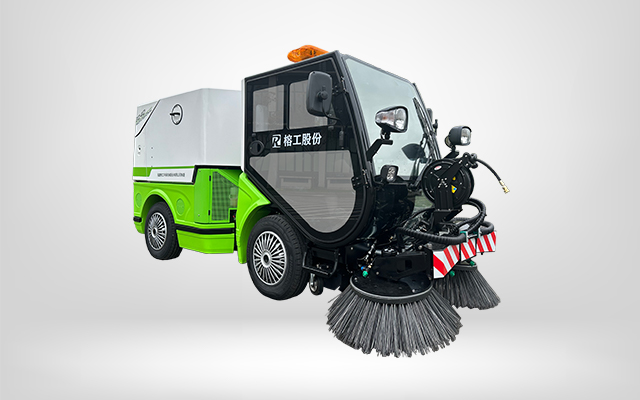
The type of debris found on a construction site—heavy mud, sharp rocks, abrasive aggregate, and asphalt millings—requires a specific type of cleaning technology. For these demanding conditions, the top choice is overwhelmingly the mechanical broom sweeper. This technology uses a large, heavy-duty main broom to physically throw the heavy debris onto a conveyor system. It is a powerful, direct, and robust method that is perfectly suited for the rigors of a construction site.
While vacuum sweepers can be used for lighter-duty cleanup, such as on a finished parking lot at the end of a project, the mechanical broom is the workhorse for the daily, heavy-duty cleaning. A good rental company can provide expert advice on which technology is the best fit for the specific materials and phases of your project.
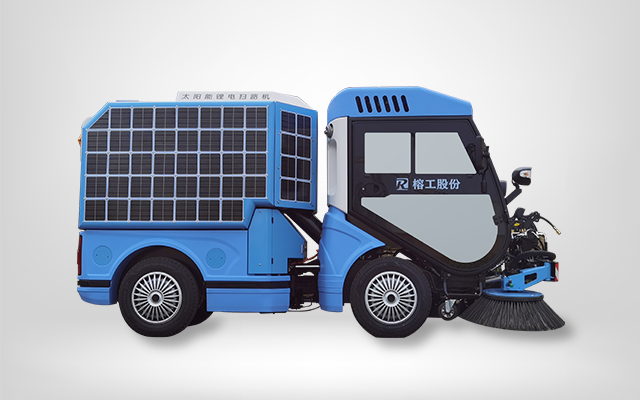
The size of the rental sweeper should be carefully matched to the scale of the construction project. For a massive infrastructure project, such as a new highway interchange or a large industrial facility, a full-size, truck-mounted sweeper is required. Its large hopper capacity and wide sweeping path are necessary to clean the vast areas efficiently.
For a smaller, more compact urban infill project or a residential development, a smaller, more maneuverable mid-sized or compact sweeper may be a better choice. It can navigate the tighter spaces more easily. The best practice is to analyze the site layout and the expected volume of debris to select a machine that is neither too small to be effective nor too large to be efficient.
A standard municipal sweeper is not a construction site sweeper. A construction site rental is a specific class of industrial street sweeper hire. It must be equipped with specific heavy-duty features to survive and perform in this environment. The debris hopper should be made from thick, abrasion-resistant steel. The gutter brooms should be heavy-duty, with strong hydraulic motors and durable steel tines. Optional features like a high-pressure spray bar can be invaluable for blasting away caked-on mud. Ensure the rental machine is a true industrial-grade unit.
The success of your construction site road sweeper rental depends heavily on the quality and professionalism of the rental company you choose. This is a critical partnership, and a diligent selection process is a fundamental best practice.
It is always advisable to partner with a rental company that has specific and extensive experience serving the construction industry. A general equipment rental company may not understand the unique demands of a construction site. A specialist will. They will understand the sense of urgency, the harsh operating conditions, and the paramount importance of safety and reliability. They will have the right type of heavy-duty machines in their fleet and will know how to support them effectively in a construction environment.
On a construction project, time is money. A breakdown of a critical piece of equipment like a sweeper can disrupt the entire workflow. It is therefore essential to choose a rental partner with a demonstrably reliable fleet.
A key decision is whether to opt for a “wet hire” or a “dry hire.” A dry hire is when you rent the machine only. This requires the construction company to provide its own trained and qualified operator. A wet hire is when the rental includes both the machine and a skilled, experienced operator from the rental company.
For many construction projects, a wet hire is the best practice. The rental company’s operator is a specialist who knows how to run the machine with maximum efficiency and safety. This can often lead to better results and fewer problems than using an in-house operator who may not be as familiar with the specific model.
Once the rental sweeper is on site, a set of on-site management best practices will ensure that it is used effectively and safely, delivering the maximum value to the project.
The road sweeper should not be an afterthought. Its operation should be integrated into the overall site logistics plan. A clear and safe route for the sweeper to travel should be established. A specific, designated area should be created where the sweeper can safely dump the debris it collects. The sweeper’s schedule should be coordinated with the movement of other heavy equipment, such as dump trucks and excavators, to avoid conflicts and ensure an efficient workflow for everyone.
The cleaning schedule should be clearly defined and communicated to all relevant site personnel. For track-out control, this might involve having the sweeper operate continuously at the site exit during working hours. For general site cleanup, it might be a scheduled sweep of all haul roads at the end of every shift. This is often available through daily road sweeper hire services. A clear, consistent schedule ensures that the required standard of cleanliness is maintained at all times.
The site manager or supervisor must maintain open and regular communication with the sweeper operator, whether they are an in-house employee or provided by the rental company. The operator should be included in daily site safety briefings. They must be informed of any changes to the site layout, any newly created hazards, or any specific problem areas that require extra attention. Good communication is essential for a safe and effective operation.
The financial and contractual aspects of a construction site road sweeper rental must be managed with the same level of professionalism as the on-site operations. Clear agreements and proper budgeting are key.
A construction site road sweeper rental is a necessary and foreseeable project cost. It is a best practice to include the estimated cost of the sweeping service as a specific line item in the original project bid. This ensures that this essential compliance and safety function is properly budgeted for from the very beginning. It prevents it from becoming an unexpected expense that has to be absorbed later, potentially impacting the project’s profitability.
The rental quote from the supplier must be comprehensive and completely transparent. It should clearly break down all costs. This includes the base rental rate for the machine, the costs for mobilization and demobilization (delivery and pickup), the hourly rate for the operator if it is a wet hire, and any fees associated with the disposal of the collected waste. This level of clarity is essential for accurate budgeting and for avoiding any disputes over the final invoice.
A construction site rental is a specific and demanding type of commercial road cleaning equipment hire. The principles of professional service, clear contracts, and a focus on reliability are universal. A rental company with a strong and successful track record in the broader commercial and industrial sectors is likely to have the professionalism and resources to serve a construction client well. The history of the Street sweeper has always been closely linked to the construction of new infrastructure, a testament to its vital role.
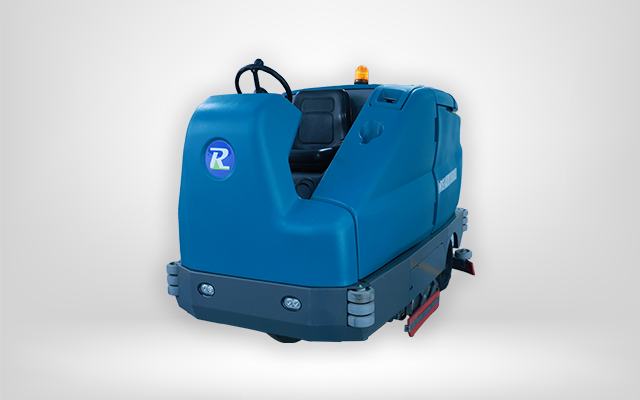
It is important to recognize that a construction site has different types of cleaning needs. The heavy-duty sweeper is for the external roads and yards. After construction is complete, the interior of the new building will also need a thorough cleaning. This might require a different type of machine, such as a smaller, battery-powered ride-on sweeper designed for finished concrete floors. A versatile rental partner may be able to provide a factory floor cleaning road sweeper for this final phase of the project.
By following these best practices, a construction manager can ensure that their road sweeper rental is a smooth, efficient, and highly effective part of their project. A well-managed sweeping program is a clear sign of a professional, safe, and responsible construction operation. It is a critical investment in legal compliance, on-site safety, and positive community relations. A construction site road sweeper rental is an indispensable tool for any modern building project.
This is the first one.