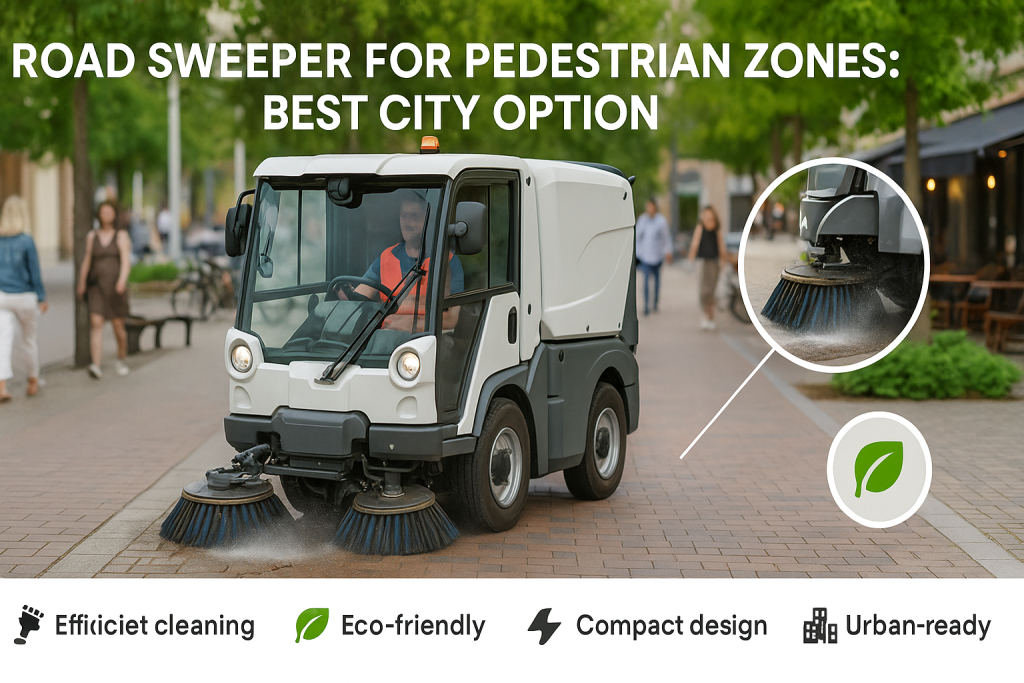
A road sweeper for pedestrian zones is the best city option for maintaining clean, safe, and inviting public spaces. As modern cities increasingly prioritize people over cars in their urban cores, the nature of public sanitation has evolved. The bustling plazas, crowded shopping streets, and peaceful park pathways of a city present a unique set of cleaning challenges that standard, road-going machines simply cannot meet. A specialized road sweeper for pedestrian zones is engineered from the ground up to operate quietly, unobtrusively, and, above all, safely in close proximity to the public. This guide will provide a complete overview of these essential machines, detailing the reasons why they are the superior choice for any modern municipality.
To understand the value of a specialized road sweeper for pedestrian zones, one must first appreciate the distinct challenges of these environments. These are not simple, open roads. They are complex, dynamic spaces where the needs of the public are the absolute top priority. Any cleaning operation must be designed to work within this people-centric context.
The primary challenge is the constant presence of people. A pedestrian zone is, by its very definition, a space with high foot traffic. Cleaning must often be done during operational hours, which means the machine will be working in the same space as shoppers, families, and commuters. This requires a machine that is predictable, unintimidating, and easy for the public to navigate around.
The safety of the public is the paramount concern. The machine’s operator must have complete and unobstructed visibility of their surroundings at all times. The machine itself must be highly controllable and responsive. This direct interaction with the public is the single biggest factor that differentiates pedestrian zone cleaning from conventional street sweeping.
Pedestrian zones are intentionally designed to be interesting and engaging, which means they are filled with a wide variety of obstacles. These can include benches, large planters, public art installations, kiosks, light poles, and waste bins. The layout is often intricate, with narrow passages, tight corners, and varied surface textures.
A standard road sweeper, designed for long, straight roads, is far too large and clumsy to navigate this complex environment. It would be unable to clean effectively around the obstacles and would risk causing damage to the street furniture. A road sweeper for pedestrian zones must be extremely agile and maneuverable to handle these intricate layouts.
People use pedestrian zones to relax, socialize, work, and shop. The quality of this experience depends on a pleasant and healthy atmosphere. A loud, smelly, diesel-powered machine would completely destroy this ambiance. The noise from a conventional sweeper would be disruptive to nearby businesses and irritating to the public. The exhaust fumes would degrade the air quality.
This high sensitivity to pollution means that any road sweeper for pedestrian zones must meet very strict environmental standards. The ideal machine must be as quiet as possible and produce zero localized emissions. Maintaining the peaceful and healthy character of the space is a core requirement of the cleaning operation.
In response to these unique challenges, manufacturers have developed a specialized class of road sweeper for pedestrian zones. These machines are defined by a set of core features that are specifically tailored to this application. These features are what make them the best and only suitable option for these sensitive areas.
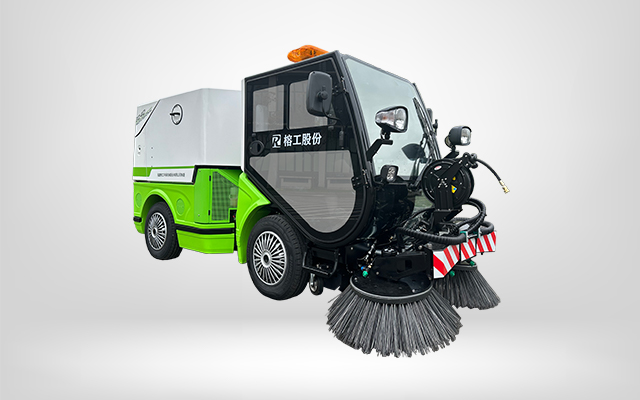
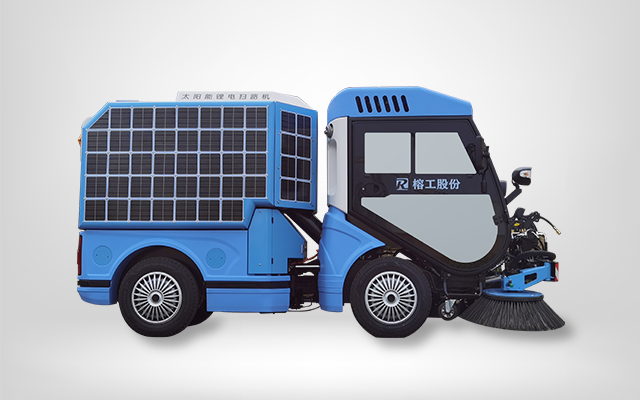
The most visually obvious feature of a road sweeper for pedestrian zones is its compact design. These machines have a very small physical footprint, allowing them to fit through narrow passages and operate on wide sidewalks without being overly intrusive. This compact size is paired with a design that prioritizes extreme maneuverability.
Many models feature an articulated steering system. This means the machine pivots in the middle, between the front and rear axles. This design allows for an incredibly tight turning radius, enabling the machine to turn on the spot and easily navigate around the tightest corners and obstacles. This agility is essential for achieving a thorough clean in a complex environment. It is the defining characteristic of a true pedestrian area road sweeper.
To meet the strict requirements for low noise and clean air, the best road sweeper for pedestrian zones is almost always powered by an all-electric, battery-based system. This is the single most important technological feature for this application. The electric powertrain eliminates harmful tailpipe emissions, such as nitrogen oxides and particulate matter. This is critical for protecting the health of the public in these concentrated spaces.
Furthermore, the electric motors are virtually silent in operation. This allows the machine to work at any time of day without creating a noise disturbance. This quiet, emission-free performance is what makes it possible for the cleaning function to coexist harmoniously with the public use of the space.
Given that these machines operate in such close proximity to people, safety is the most critical design consideration. A specialized road sweeper for pedestrian zones is equipped with a range of advanced safety features. The operator’s cabin is designed to provide an unobstructed 360-degree field of view, minimizing blind spots.
The controls are engineered to be highly intuitive and responsive, giving the operator precise and immediate command over the machine’s movements. In addition to these fundamental design elements, many models now incorporate advanced safety technologies. These can include a comprehensive system of onboard cameras that provide a complete view of the machine’s surroundings, as well as obstacle detection sensors that can automatically alert the operator to a potential hazard.
The deployment of a specialized road sweeper for pedestrian zones delivers a host of tangible benefits. These positive outcomes impact public health, the local economy, and the overall social fabric of a community. They demonstrate a city’s commitment to creating high-quality public spaces.
A clean pedestrian zone is a safer and healthier one. A specialized sweeper is highly effective at removing the common hazards found in these areas. It picks up spilled drinks, discarded food waste, and wet leaves that can create dangerous slip-and-fall risks. It also collects potentially sharp debris, such as broken glass or metal fragments, that could cause injury.
The quiet, fume-free operation of an electric sweeper also contributes to a healthier environment. It protects the public from exposure to harmful air pollutants and noise pollution. This focus on hygiene and environmental health is a key part of any modern city sanitation road sweeper program.
The cleanliness of a city’s public spaces has a direct impact on the quality of life for its residents and the experience of its visitors. A clean, pristine, and well-maintained public square or shopping street is a more inviting and enjoyable place to be. It encourages people to spend more time outdoors, to socialize, and to engage with their community.
This enhanced urban experience can have direct economic benefits. In pedestrianized retail districts, a clean and pleasant environment is a major factor in attracting shoppers and tourists. It creates a positive atmosphere that can lead to increased foot traffic and higher sales for local businesses.
A visible and consistent commitment to cleanliness sends a powerful message to the community. It shows that the local government cares about its public spaces and values the well-being of its citizens. This can foster a deep sense of community pride and a greater sense of public ownership over these shared spaces.
This positive feedback loop is a key goal of any successful community cleaning road sweeper initiative.
The unique features of a road sweeper for pedestrian zones make it the perfect tool for a variety of specific, people-centric locations that are at the heart of a modern city’s social and economic life.
These are the great public gathering places of a city. They host farmers’ markets, festivals, and daily social life. As such, they require the highest possible standard of cleanliness to remain welcoming and functional. A specialized sweeper can clean these large, open areas with great efficiency, while still being agile enough to navigate the benches, fountains, and planters that are always present.
Keeping these vibrant commercial hubs pristine is vital for supporting the local economy. A road sweeper for pedestrian zones is essential for this task. Its agility is key to its ability to clean effectively around the forest of street furniture, advertising signs, and outdoor dining setups that characterize a modern high street. Its quiet operation means it can work during business hours without disturbing shoppers or diners.
Large, campus-style environments, such as universities, corporate headquarters, and large public parks, are defined by their extensive networks of pathways, quads, and courtyards. A specialized sweeper is the ideal tool for maintaining these sprawling grounds. Its quiet and safe operation is essential when working in an environment with a constant flow of students, employees, or park visitors.
High-traffic locations like train station platforms, bus terminals, and the concourses of stadiums and arenas present an intense cleaning challenge. They see a constant flow of people and a high volume of associated litter. The ability of a road sweeper for pedestrian zones to clean quickly and unobtrusively during operational hours is a major benefit in these constantly busy environments.
To achieve the best results, a city must not only choose the right type of machine but also ensure it is operated according to best practices. A strategic approach to both selection and operation is key.
The first step is to conduct a detailed assessment of the pedestrian zones you need to clean. Carefully measure the narrowest passages and the tightest corners to ensure the machine you choose will fit. Analyze the primary type of debris that accumulates in these areas to confirm that the sweeper’s suction power and brush system are suitable. Finally, calculate the total area that needs to be cleaned in a single shift and compare that to the machine’s battery capacity and estimated run time.
Operating any piece of heavy equipment requires skill, but operating a sweeper in a crowded public space requires a special level of training and professionalism. The training for operators of these machines must go beyond the simple mechanics of how to drive. It must focus intensely on situational awareness, defensive driving techniques, and the protocols for safe and courteous interaction with the public. A well-trained operator is the most important safety feature of all.
A road sweeper for pedestrian zones is a highly specialized tool. It is designed to be one component of a larger, integrated city-wide cleaning system. It is the specialist that handles the most intricate and sensitive areas, while larger, more powerful machines handle the main roads and arterial routes. A successful and efficient sanitation program depends on this holistic approach to road sweeper for urban cleaning. This trend towards specialization is a key part of the modern history of the Street sweeper.
A road sweeper for pedestrian zones is the only tool that can safely, quietly, and effectively clean the very heart of a modern, people-focused city. Its specialized design is a direct response to the unique challenges of these vital public spaces. For any municipality that is committed to creating vibrant, healthy, safe, and economically successful urban centers, the road sweeper for pedestrian zones is not just an option; it is an essential investment in the community’s well-being.
This is the first one.