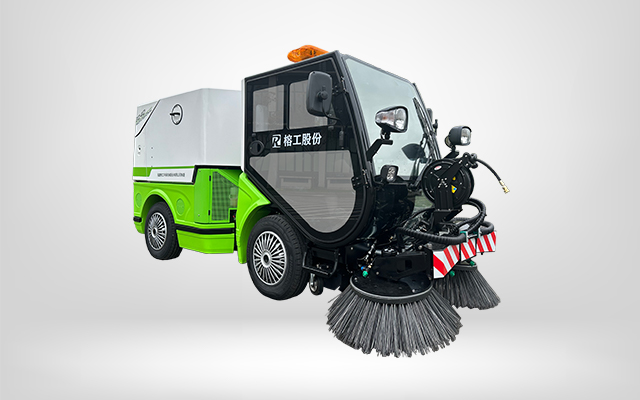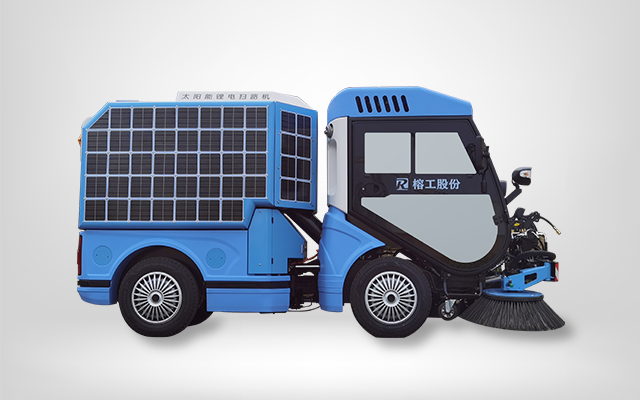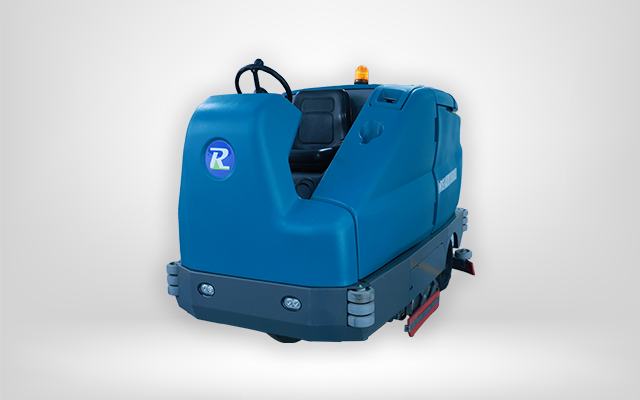
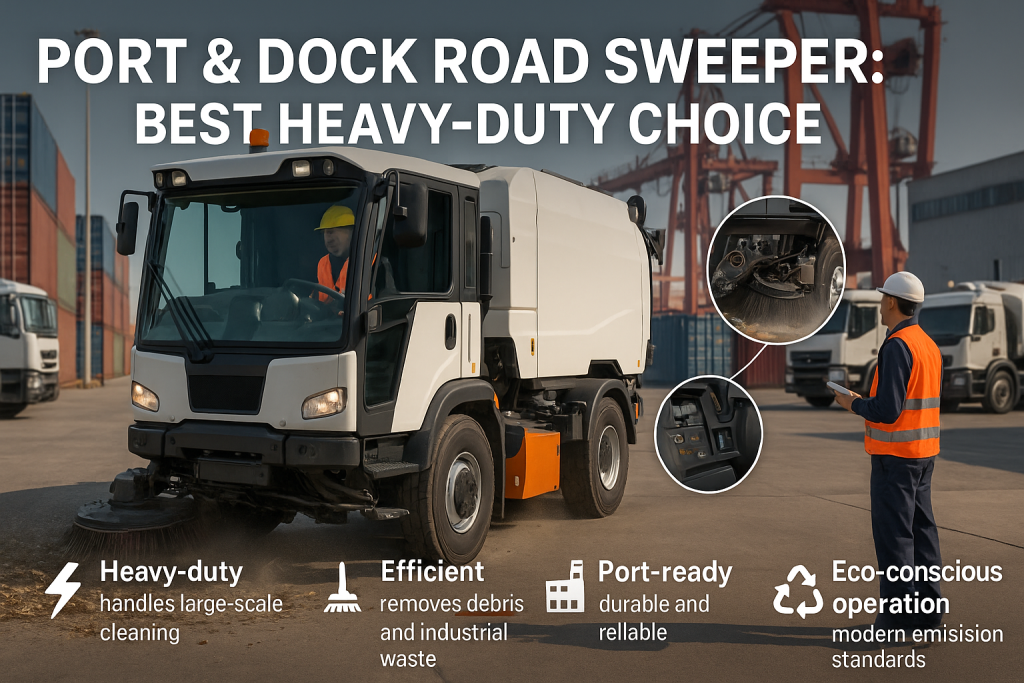
A port and dock road sweeper is the best heavy-duty choice for the world’s most demanding cleaning environments. The operational landscape of a modern seaport or shipping terminal is a relentless combination of corrosive elements, heavy industrial traffic, and abrasive, difficult-to-manage debris. A standard municipal or commercial road sweeper is simply not engineered to withstand these extreme conditions. A purpose-built port and dock road sweeper, by contrast, is designed from the ground up for maximum durability, power, and reliability in this unique setting. This guide will provide a complete overview of these specialized machines, detailing the severe challenges they face and the key features that make them the only suitable choice for this critical application.
To understand why a specialized machine is necessary, one must first appreciate the uniquely harsh and unforgiving nature of a port environment. It is a convergence of several extreme challenges, each of which can quickly overwhelm a standard piece of cleaning equipment. A true port and dock road sweeper is built to conquer these challenges.
The most pervasive and destructive element in any seaport is the air itself. The constant presence of salt-laden sea spray creates a highly corrosive atmosphere. This saltwater mist settles on every surface, aggressively attacking standard steel and other vulnerable metals. For a normal vehicle, this leads to rapid and catastrophic rust and corrosion, which can compromise the structural integrity of the frame, the debris hopper, and other critical components. A specialized port and dock road sweeper must therefore be built with corrosion resistance as a primary and fundamental design principle.
Ports are the gateways for global commerce, and this involves the movement of a vast array of bulk materials. It is common for spills of these materials to occur during loading and unloading operations. This means the sweeper must be capable of collecting an incredibly diverse range of heavy and abrasive debris. This can include anything from coal dust and grain to sand, gravel, fertilizer, and metal scrap.
This type of debris is much denser and more difficult to handle than typical street litter. The sweeper must have the raw power to lift these heavy materials and the sheer durability to withstand their abrasive nature as they pass through the cleaning system.
A port is a 24/7 hive of activity. The operational areas are in a state of constant motion, with a continuous flow of massive vehicles. This includes semi-trucks, giant container handlers (reach stackers and straddle carriers), and colossal cranes. A port and dock road sweeper must be able to operate safely and effectively in this high-risk, high-traffic environment.
It must be highly visible to the operators of these other large machines to prevent accidents. It must also be robust enough to withstand the demanding stop-and-go nature of this work. The operational intensity of a port is far greater than that of a typical city street or commercial parking lot.
By their very nature, ports are located directly adjacent to the sea or other major waterways. This creates a significant environmental responsibility. Any debris, spilled materials, or chemical pollutants left on the dockside or terminal roads can be easily washed into the water by rain. This can have a devastating impact on the local aquatic ecosystem.
A port and dock road sweeper is a critical, first-line tool for environmental compliance and stewardship. Its primary job is to capture these pollutants at the source, before they have a chance to contaminate the waterway. This makes the sweeper an essential part of a port’s environmental management plan.
In response to these severe challenges, a true port and dock road sweeper is engineered with a specific set of heavy-duty and specialized features. These are the non-negotiable characteristics that define it as the best heavy-duty choice for this application.
This is the single most important feature. To survive in a salt-air environment, the machine must be built from materials that can resist its corrosive effects. The most critical component is the debris hopper, which is in constant contact with wet, often corrosive materials. For this reason, the hopper on a high-quality port and dock road sweeper is almost always constructed from thick, durable stainless steel.
The water tanks used for dust suppression are also often made from stainless steel or a high-grade, corrosion-proof polymer. The vehicle’s main chassis and body panels are protected by advanced, multi-layer paint and coating systems that are specifically designed for marine environments. Even smaller components, like hydraulic fittings and electrical connectors, are often made from corrosion-resistant materials.
For the type of heavy, dense, and bulky materials commonly found in a port, heavy-duty mechanical broom technology is often the most effective choice. This system uses a powerful, large-diameter main broom to physically throw the debris onto a rugged conveyor system, which then transports it into the hopper.
This direct, mechanical action is extremely effective at picking up compacted dirt and heavy bulk materials. The conveyor systems on these machines are built to industrial-grade standards, similar to those used in mining, to handle the weight and abrasion. This makes a port and dock road sweeper a super-duty class of industrial street sweeper machine.
A port and dock road sweeper requires an immense amount of power to perform its duties. This necessitates the use of powerful, high-torque diesel engines. These engines must be capable of propelling the heavy machine while simultaneously running the power-hungry sweeping systems.
To ensure that maximum, consistent power is always available for the cleaning functions, many top-tier models use a twin-engine design. This means there is a dedicated auxiliary engine that is used solely to power the brooms, conveyor, and hydraulic systems. This design allows the operator to have independent control over the vehicle’s speed and the sweeper’s power, which is ideal for the varied conditions of a port.
Safety is paramount in the chaotic environment of a busy port. A specialized port and dock road sweeper must be equipped with an enhanced safety and visibility package that goes beyond the standard features of a normal sweeper.
Within the larger environment of a seaport, a port and dock road sweeper is deployed for a number of specific and critical cleaning tasks. Its versatility allows it to handle the diverse range of cleaning needs found across the facility.
This is the most demanding application of all. At a terminal that handles bulk materials like coal, grain, iron ore, or fertilizer, spills are a regular part of the operation. The sweeper is tasked with the continuous cleanup of these heavy and often abrasive materials. The machine’s durability and power are tested to their absolute limits in this environment. Its work is essential for preventing cross-contamination of different cargo types and for meeting environmental standards.
In a container yard or a Roll-on/Roll-off (Ro-Ro) terminal for vehicles, the debris is different but the cleaning need is just as critical. The sweeper must collect broken pieces of wood from pallets, discarded plastic wrap, and other debris that can fall from containers or trucks. It must also clean up any oil or hydraulic fluid drips to prevent slippery hazards.
The machine must be maneuverable enough to work in the aisles between tall stacks of containers and around parked vehicles. The cleaning challenges in these areas have some similarities to those in large road sweeper for industrial parks.
Every port has an extensive network of access roads, marshalling yards, and parking areas that see a constant flow of heavy truck traffic. Keeping these roadways clean is essential for the safe and efficient movement of cargo. A port and dock road sweeper has the capacity and speed to maintain these large paved areas effectively. The cleaning task here is similar to that of a heavy-duty parking lot road cleaning machine, but often with heavier and more industrial types of debris.
In some cases, smaller, more specialized sweepers can be used for cleaning inside the vast cargo holds of bulk carrier ships between different loads. The primary role of the large port and dock road sweeper, however, is to clean the immediate dockside area during the loading and unloading of these ships. This ensures that any spilled material is collected immediately before it can enter the water.
To get a long and productive service life from a machine that works in such a brutal environment, a set of rigorous and disciplined best practices for operation and maintenance must be followed.
This is the single most important maintenance task for a port and dock road sweeper. To combat the relentless attack of the corrosive salt air, the entire machine must be thoroughly washed with fresh water at the end of every single shift. This removes the salt deposits and the abrasive dust from the chassis, the hopper, the sweeping mechanism, and all other exposed surfaces. This simple, daily discipline is absolutely essential for preventing premature corrosion and extending the life of the machine.
The harsh and abrasive nature of the port environment accelerates the wear and tear on all of the sweeper’s components. A standard maintenance schedule is not sufficient. A proactive and more frequent maintenance program must be implemented. This includes the frequent inspection and lubrication of all moving parts, regular checks of all hydraulic hoses and seals for any signs of abrasion or leaks, and diligent service of the conveyor system and brooms.
Operating a large sweeper safely in the middle of a busy port is a high-skill, high-risk job. It is not a task for a novice. Operators of a port and dock road sweeper require specialized training that focuses on situational awareness. They must be experts at operating in close proximity to other massive pieces of moving equipment and must be in constant communication with the port’s traffic controllers.
The principles of heavy-duty cleaning and the need for robust, easy-to-maintain equipment are not unique to ports. A large port complex often includes extensive warehousing and logistics facilities, which share many of the same cleaning challenges as a standalone factory. The need for durable warehouse road cleaning equipment is a common theme. The evolution of the Street sweeper into these highly specialized industrial machines is a story of technology adapting to meet the needs of the world’s toughest environments.
For the ultimate in durability, power, and reliability in the most challenging cleaning conditions on the planet, a purpose-built port and dock road sweeper is the only viable choice. A standard machine will simply not survive. This specialized, heavy-duty equipment is engineered from the ground up to withstand the corrosive salt air, handle the heaviest debris, and operate safely in the intense environment of a modern seaport. It is an indispensable asset for any port authority committed to operational efficiency, environmental compliance, and safety.
This is the first one.