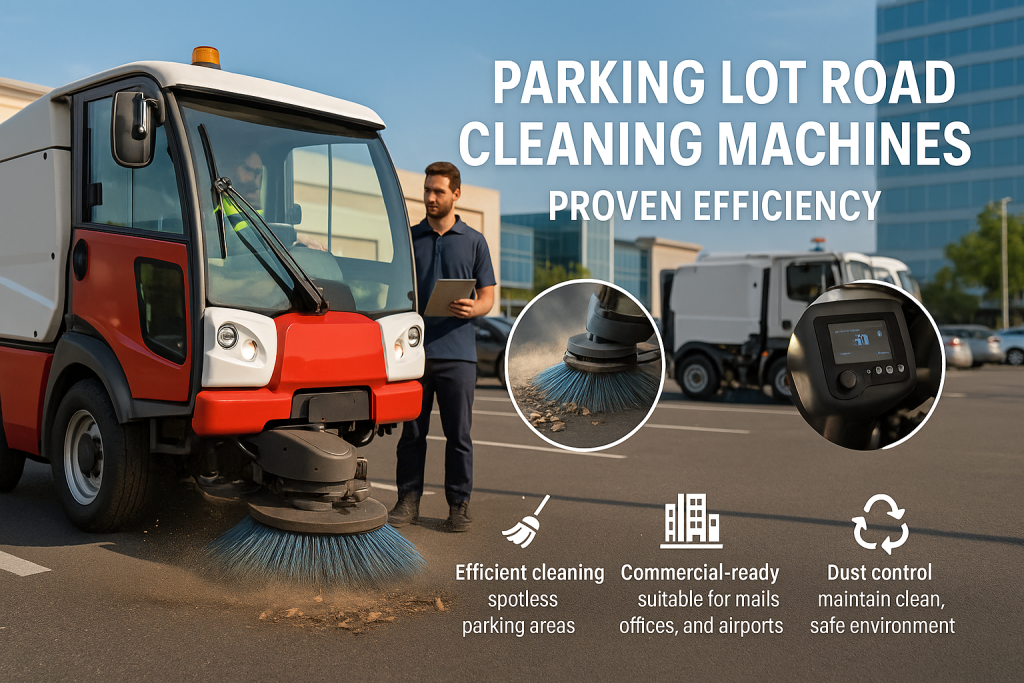
A parking lot road cleaning machine is a vital tool for proving efficiency in commercial property maintenance. For any business, retail center, or public facility, the parking lot is the very first point of contact for a visitor. A clean, well-maintained parking area creates an immediate positive impression of professionalism and care. Conversely, a lot that is covered in litter, leaves, and other debris can detract from a property’s image and even pose safety risks. While manual cleaning with brooms and blowers is suitable for small areas, it is completely inefficient and ineffective for large paved surfaces. This guide will provide a complete overview of the proven efficiency of a dedicated parking lot road cleaning machine and how to select the right model.
To understand the need for a specialized parking lot road cleaning machine, it is important to first recognize the unique set of challenges that these environments present. A parking lot is a dynamic space with a specific type of debris and a complex, obstacle-rich layout that requires a purpose-built cleaning solution.
Parking lots are natural collection points for a very specific and varied mix of debris. This includes light man-made litter, such as discarded receipts, plastic bags, and fast-food wrappers. It also includes a significant amount of natural debris. Wind blows in leaves, sand, dust, and other organic material that accumulates along curb lines and in corners.
Furthermore, the vehicles themselves are a source of debris. This includes fine, black dust from tire wear, small fluid drips, and grit and gravel that falls from the undersides of cars. An effective parking lot road cleaning machine must be capable of efficiently collecting this entire mix of light litter, fine dust, and heavier grit.
Unlike an open road, a parking lot is an intricate obstacle course. A cleaning machine must be able to navigate a complex environment that is filled with permanent and temporary obstacles. This includes rows of parked cars, concrete light pole bases, raised landscaped islands, and shopping cart corrals.
The machine must have exceptional maneuverability to clean effectively in these tight and confined spaces. A large, clumsy machine would be unable to clean the ends of parking rows or navigate the tight corners of the lot. A tight turning radius and a compact physical footprint are therefore critical features for any parking lot road cleaning machine.
Except for overnight cleaning, a parking lot cleaning machine will almost always be operating in an active environment with a constant flow of both vehicle and pedestrian traffic. Safety is therefore a paramount concern. The machine must be designed to be highly visible and predictable in its movements.
It must also be as quiet and unobtrusive as possible to avoid disrupting the customer experience. A loud, polluting machine is not suitable for a commercial environment. The operator of the machine must have an excellent, unobstructed view of their surroundings at all times to prevent any potential accidents involving people or property.
The proven efficiency of a modern parking lot road cleaning machine is a direct result of a set of key design features. These features are specifically engineered to overcome the challenges of the parking lot environment, allowing for a faster, more thorough, and more cost-effective clean.
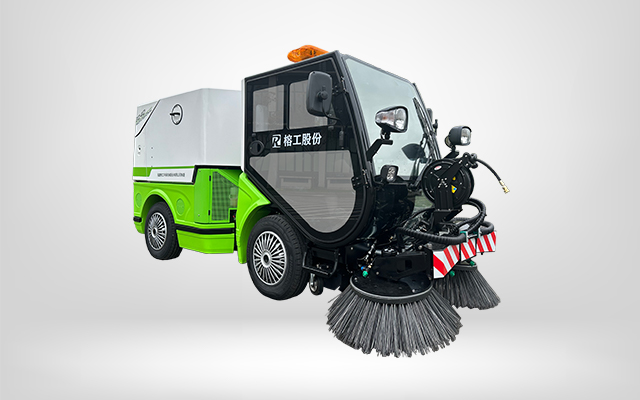
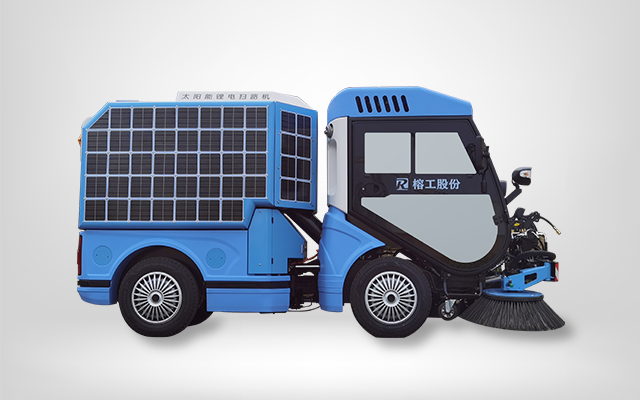
The most efficient type of parking lot road cleaning machine is almost always a compact model. These machines are designed from the ground up for agility. They have a small physical footprint that allows them to work in tight spaces, and they feature an extremely tight turning radius. Many of the most maneuverable models use an articulated steering system, which allows the machine to pivot in the middle.
This agility is a primary driver of efficiency. It allows the operator to clean an entire parking row, including the tight end-cap, in a single, continuous pass. It enables the machine to get right up to the edge of curb lines and landscaped islands, leaving no area uncleaned. This ability to clean a complex area without the need for time-consuming three-point turns or manual touch-ups is what makes these machines so productive.
One of the biggest problems with older cleaning methods, such as using a simple rotary broom or a power blower, is the massive amount of dust they kick up into the air. In a commercial parking lot, creating a large cloud of dust is completely unacceptable. It is unpleasant for customers, can trigger health issues, and can coat clean cars and storefront windows with a fresh layer of grime.
An efficient and professional parking lot road cleaning machine is designed for superior dust control. Most modern machines use a vacuum-based system that is highly effective at containing dust. This is further enhanced by a water misting system that sprays a fine layer of water onto the debris before it is swept. This prevents fine particles from ever becoming airborne. High-quality filtration systems then ensure that only clean air is exhausted from the machine.
An increasingly popular and efficient choice for a parking lot road cleaning machine is an all-electric, battery-powered model. Electric power offers several key advantages for this specific application. The most significant is their quiet operation. A near-silent electric sweeper can be operated in the very early morning or even overnight without disturbing any nearby residents or hotel guests.
This allows the cleaning to be done when the parking lot is at its emptiest, which is the most efficient time to work. Electric machines also produce zero tailpipe emissions, which creates a cleaner and healthier environment for customers and employees. The instant torque of their electric motors also gives them excellent responsiveness and performance.
While the compact, ride-on sweeper is the most common choice, there are several different types and sizes of machines that can be used for parking lot cleaning. The most efficient option will depend on the size and specific characteristics of the property.
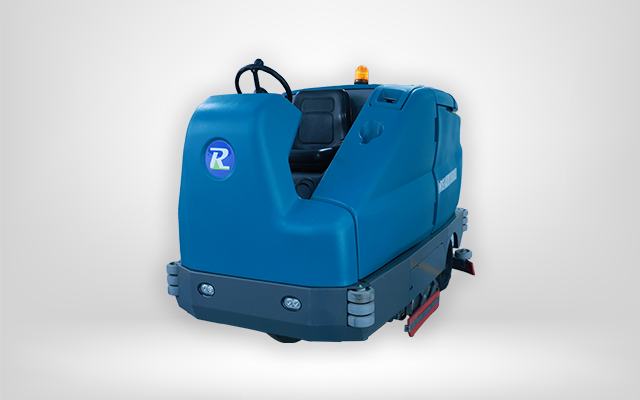
For any medium to large-sized commercial parking lot, such as at a shopping center, office park, or hospital, a ride-on compact sweeper is the most efficient and effective choice. These machines offer an excellent balance of productivity, debris capacity, and maneuverability. They have a wide enough cleaning path to cover large, open areas quickly, but they are still agile enough to handle the tight corners and obstacles. Their debris hoppers are typically large enough to allow for several hours of continuous cleaning before needing to be emptied.
For very small parking lots or for cleaning the associated sidewalks and walkways of a larger property, a walk-behind sweeper is a useful and efficient tool. While they lack the productivity of a ride-on machine, they offer their own set of benefits.
For the largest parking areas imaginable, such as those found at major international airports, theme parks, or massive stadium complexes, a full-size, truck-mounted sweeper may be the most efficient choice. These machines offer the maximum possible productivity. Their very wide sweeping path and enormous hopper capacity allow them to clean huge, sprawling paved surfaces in the shortest possible time. While their lack of maneuverability makes them unsuitable for a standard commercial lot, they are the right tool for these mega-scale applications. The history of the Street sweeper is rooted in the development of these large, powerful machines.
The proven efficiency of a parking lot road cleaning machine is not just a result of its technical features. It is also the result of using the machine as part of a smart and strategic cleaning program. An efficient process is just as important as an efficient machine.
Efficiency comes from cleaning at the right frequency. This schedule should be based on the specific needs of the property. A high-traffic parking lot at a busy supermarket or fast-food restaurant may accumulate a large amount of litter every single day and may require daily sweeping to maintain a high standard of cleanliness.
In contrast, the parking lot of a suburban office park may see much less traffic and litter, and a weekly or bi-weekly cleaning schedule might be perfectly sufficient. The key is to match the cleaning frequency to the rate of debris accumulation. This ensures that the property always looks its best without wasting resources on unnecessary cleaning.
The single most efficient time to clean a parking lot is when it is empty or has the fewest possible cars. Cleaning an empty lot allows the operator to work in long, straight, uninterrupted passes at an optimal speed. Cleaning a full lot requires the operator to slowly and carefully navigate around dozens of obstacles, which is a much less efficient process.
For most commercial properties, the ideal cleaning window is overnight or in the very early morning hours, before customers and employees arrive. This is another reason why the quiet operation of an electric parking lot road cleaning machine is such a major advantage. It makes this highly efficient overnight cleaning possible.
An efficient cleaning plan is a targeted one. Within any parking lot, there are certain “hot spots” that consistently accumulate more debris than other areas. These high-priority zones typically include the main entrances and exits, the areas immediately in front of the main building entrances, and the spaces around waste bins and shopping cart corrals. An efficient cleaning program will ensure that these areas receive the most attention, as their cleanliness has the greatest impact on the overall perception of the property.
A parking lot road cleaning machine is a specialized tool, but its role fits into the broader context of professional property management and the maintenance of large commercial and industrial sites. Its benefits extend beyond simple cleanliness to impact property value and operational synergy.
A clean and well-maintained property is a more valuable property. For the owner of a commercial retail or office park, the appearance of the exterior, including the parking lot, is a direct reflection of their management standards. A consistently clean property helps to attract and retain high-quality commercial tenants. It is a tangible investment in the long-term value and reputation of the property. In this way, the role of a commercial sweeper mirrors that of a community cleaning road sweeper, as both contribute to the value and appeal of a space.
The operational challenges and the required machine capabilities for cleaning a large parking lot are similar to those of other large, paved industrial areas. A powerful and maneuverable parking lot sweeper can often be used to clean the access roads and yards of a port, though a true port and dock road sweeper is a more heavy-duty class of machine. The critical need for effective dust control is a challenge shared with the operators of a factory floor cleaning road sweeper.
Many large distribution centers and logistics facilities have extensive employee and truck parking lots in addition to their massive warehouse interiors. A versatile ride-on sweeper can often be a highly efficient tool for maintaining both of these areas. An electric model, in particular, can be used to safely clean the indoor warehouse floors and then immediately transition to cleaning the outdoor parking areas. This synergy makes it a key piece of warehouse road cleaning equipment.
A parking lot road cleaning machine can be thought of as a smaller, more agile version of the large sweepers used to maintain the main roadways in sprawling industrial parks. While a dedicated road sweeper for industrial parks is needed for the main arteries, the smaller, more nimble parking lot sweeper is the perfect tool for cleaning the individual parking areas of the businesses located within the park.
A dedicated parking lot road cleaning machine is a proven, efficient, and essential tool for professional property management. Its specialized design allows it to safely and effectively navigate the unique challenges of a commercial parking area. By choosing the right machine and implementing a strategic cleaning program, a property manager can enhance their property’s image, improve safety, and prove the efficiency of their maintenance operations.
This is the first one.