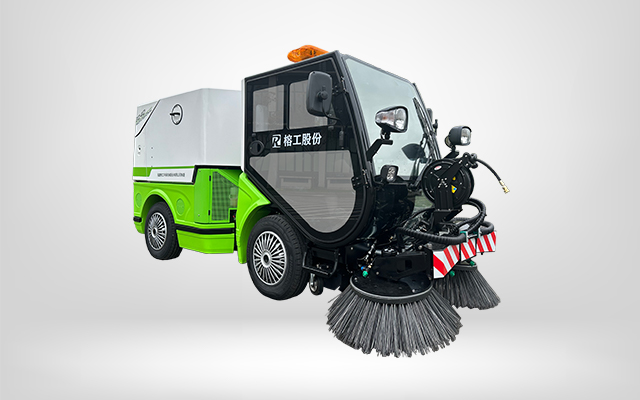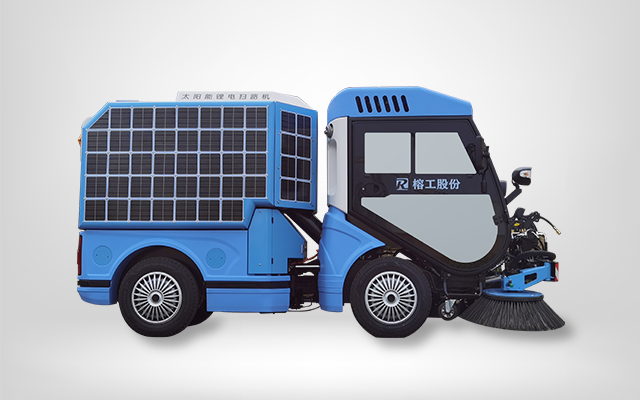
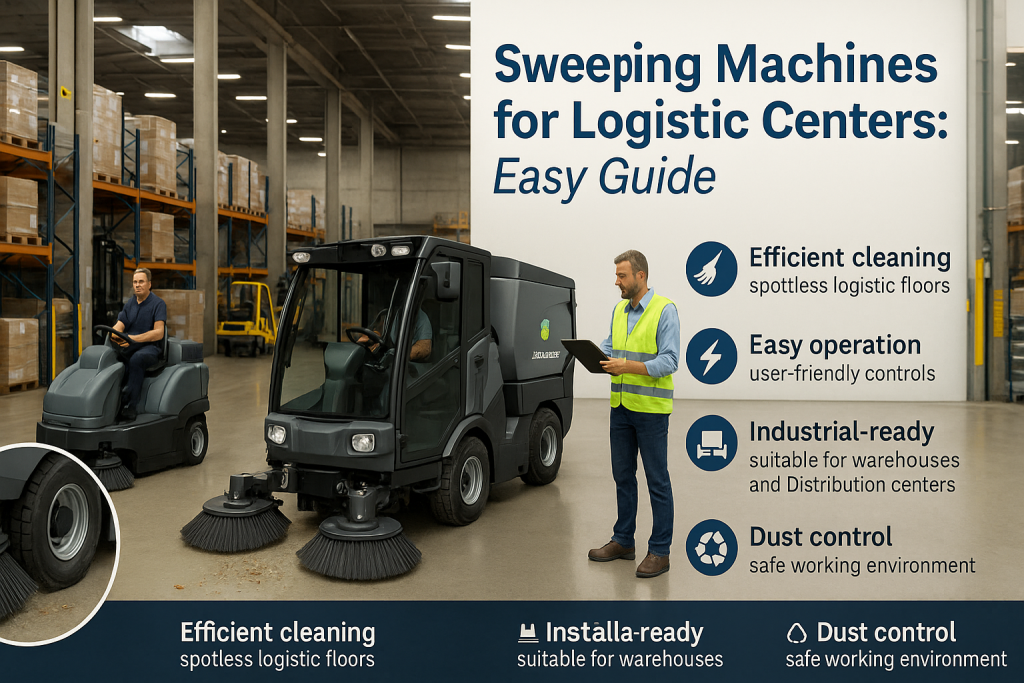
A sweeping machine for logistic centers is a critical tool for maintaining operational efficiency and safety. These vast, fast-paced environments are the beating heart of modern commerce, and their cleanliness is directly linked to their productivity. A logistic center floor is subjected to a unique mix of industrial debris and fine dust, all within a high-volume, often 24/7, operational setting. A high-performance and reliable sweeping machine is therefore not a luxury, but an essential piece of equipment for keeping the facility running smoothly, protecting valuable inventory, and ensuring a safe workplace for employees. This guide will provide an easy-to-follow overview of how to select and use the right sweeping machine for logistic centers.
To select the right sweeping machine for logistic centers, it is first necessary to understand the unique and demanding cleaning challenges that these facilities present. The environment inside a modern distribution hub is unlike any other commercial space, and it requires a purpose-built cleaning solution.
The most defining characteristic of a modern logistic center is the sheer scale and intensity of its operations. These facilities are often enormous, covering hundreds of thousands of square feet, and many of them operate around the clock. The constant flow of goods, vehicles, and personnel means that the window for cleaning can be very small.
Therefore, the cleaning process must be exceptionally efficient. The sweeping machine must be highly productive, capable of cleaning very large areas in a short amount of time. It must also be extremely reliable, as any unexpected downtime can disrupt the entire cleaning schedule and impact the facility’s operations.
The type of debris found in a logistic center is very specific to the industry. It is a unique mixture that a standard commercial cleaner is not designed to handle. The most common types of debris are directly related to the movement of palletized goods. This includes a large volume of wood chips and splinters from broken or damaged pallets.
Another major component is packaging waste. This can include fine dust from cardboard boxes, discarded plastic stretch wrap, and loose paper labels. This light, bulky material can be a challenge for some sweeping systems. The constant movement of forklifts also contributes fine, black dust from tire wear. An effective sweeping machine for logistic centers must be able to collect this entire mix of debris in a single pass.
While larger debris is more visible, the fine, airborne dust found in a logistic center is often the more serious problem. This dust, primarily from the abrasion of the concrete floor and from cardboard particles, can have a significant negative impact on the entire operation.
This airborne dust can settle on valuable inventory, potentially damaging sensitive products like electronics or contaminating goods like food and pharmaceuticals. It can also work its way into the delicate sensors and moving parts of automated sorting systems and other robotic equipment, causing malfunctions and costly downtime. Furthermore, a dusty environment creates a poor and potentially unhealthy workplace for the hundreds or even thousands of employees in the facility. Effective dust control is therefore a non-negotiable requirement for any sweeping machine for logistic centers.
To meet these demanding challenges, an effective sweeping machine for logistic centers must be equipped with a specific set of features. These are the characteristics that define a true industrial-grade cleaning machine, one that is purpose-built for the rigors of a modern distribution environment.
For any sweeping machine that will be operated indoors, an all-electric, battery-powered system is the only safe and responsible choice. The use of any internal combustion engine (diesel, gas, or LPG) in an enclosed facility is a major health hazard due to the toxic exhaust fumes it produces.
An electric sweeping machine for logistic centers is a zero-emission solution. This is absolutely essential for maintaining a safe and healthy indoor air quality for all employees. Electric machines are also significantly quieter than their combustion-powered counterparts. In an already noisy warehouse environment, this reduction in the overall noise level is a major benefit for worker comfort and safety.
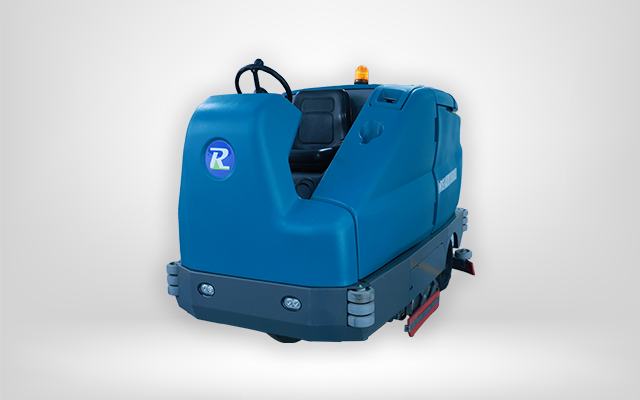
The sheer scale of a modern logistic center makes a walk-behind sweeper impractical for the main cleaning tasks. To efficiently clean the vast, open aisles and large staging areas, a high-productivity ride-on sweeper is required. These machines allow the operator to cover a massive amount of floor space in a very short amount of time.
When evaluating a ride-on sweeper, the key productivity metrics are the cleaning path width and the hopper capacity. A wider cleaning path means fewer passes are needed to clean an aisle. A larger hopper means the operator can sweep for longer before having to stop to empty the collected debris. This is a core principle of all effective warehouse road cleaning equipment.
As noted, the control of fine dust is a critical challenge. Therefore, a top-tier sweeping machine for logistic centers must be equipped with a high-performance, multi-stage filtration system. This system is designed to capture the smallest, most problematic dust particles and prevent them from being exhausted back into the facility’s air.
Look for machines with large, oversized panel filters that provide a large surface area for effective filtration. For facilities with particularly sensitive products or processes, some machines can be fitted with optional HEPA-grade filters. An essential accompanying feature is a powerful, automatic filter shaker mechanism. This system regularly vibrates the filters to dislodge caked-on dust, ensuring that they continue to breathe freely and that the sweeper maintains its strong suction performance throughout the cleaning cycle.
While logistic centers have large open spaces, they are also filled with obstacles. A sweeping machine must be maneuverable enough to navigate safely around rows of pallet racking, staging areas full of goods, and other pieces of equipment. A tight turning radius is a very important feature, as it allows the machine to clean the ends of aisles and other tight areas efficiently.
Safety features are also paramount. The machine should be equipped with bright headlights and flashing warning lights to ensure it is highly visible to forklift operators and other personnel. A loud backup alarm is also a non-negotiable requirement. The operator’s station should be designed to provide a clear, unobstructed view all around the machine.
Selecting the right sweeping machine for your specific logistic center is a major decision that will impact your operations for years to come. The choice should be based on a careful analysis of your facility’s size, your budget, and the quality of the supplier.
The specifications of the sweeper should be carefully matched to the scale of your operation. A machine that is too small will be unproductive and unable to keep up with the cleaning demand. A machine that is too large may be inefficient and difficult to maneuver.
It is a common mistake to focus only on the initial purchase price of a machine. A cheaper, lower-quality machine can end up costing much more over its lifespan due to frequent breakdowns and high maintenance costs. A truly informed decision is based on the machine’s Total Cost of Ownership (TCO).
This analysis includes the initial purchase price, but it also factors in the ongoing costs of electricity, routine maintenance, and the replacement of wear items like brushes and filters. A well-built, reliable machine from a reputable manufacturer, one that is designed for easy maintenance, will almost always have a lower TCO and provide a better long-term value.
The company you buy the machine from is just as important as the machine itself. You are not just buying a product; you are entering into a long-term partnership. It is essential to choose a supplier who has deep expertise in the logistics and industrial cleaning sector.
A good supplier will be able to provide an on-site demonstration of the machine at your facility. They will offer comprehensive training for your operators and maintenance staff. Most importantly, they will have a strong after-sales support program, with a responsive service team and a large inventory of spare parts to ensure that your machine is always kept in top running condition.
To get the maximum benefit from your investment, the sweeping machine must be integrated into a well-planned and professionally managed cleaning program. A set of operational best practices will ensure a consistently clean, safe, and efficient facility.
A professional cleaning program is a planned one. A schedule should be created that is based on the operational flow and the debris generation rates of the facility. The highest traffic areas, such as the loading and unloading docks and the main cross-aisles, should be designated for the most frequent cleaning. The cleaning schedule should also be designed to minimize any potential disruption to the primary logistics operations, with much of the work often being done during quieter, off-peak shifts.
A well-trained and motivated operator is the key to a successful cleaning program. The operator must be thoroughly trained not only on the efficient operation of the specific machine but also on the specific safety protocols and traffic patterns of your facility. They are the first line of defense in a proactive maintenance program, responsible for conducting daily checks and reporting any potential issues with the machine.
In a 24/7 logistics environment, you cannot afford unexpected equipment downtime. A proactive, preventive maintenance program is therefore essential. This starts with the simple daily checks performed by the operator. It then extends to a regular schedule of weekly and monthly checks and services performed by a trained technician, as outlined in the manufacturer’s service manual. This focus on proactive care, a principle shared with a good factory floor cleaning road sweeper program, is what ensures maximum reliability.
A sweeping machine for logistic centers is a highly specialized tool, but it fits within the broader context of industrial cleaning and asset management. Understanding this context can help to inform strategic decisions.
For a large, busy logistic center with a constant, daily cleaning need, a direct purchase or a long-term lease is typically the most cost-effective solution. However, for a smaller facility with less frequent cleaning needs, or for a business that wants to completely eliminate the burdens of maintenance, an industrial street sweeper hire is an excellent alternative. It provides access to a professional machine without the high cost of ownership.
The operational environment of a large logistic center has many things in common with that of a seaport or a container terminal. Both are major hubs of logistics, defined by vast paved areas and constant, heavy vehicle traffic. Both require cleaning equipment that is robust, reliable, and designed for safety and high productivity. A port and dock road sweeper is essentially a more heavy-duty, outdoor version of the machines used to keep the inside of a logistic center clean.
The modern sweeping machine for logistic centers is a highly specialized piece of equipment. It is a direct descendant of the first mechanical road sweepers, but it has been specifically adapted and evolved to meet the unique demands of modern commerce. This story of adaptation and specialization is the central theme in the history of the Street sweeper.
A high-quality sweeping machine for logistic centers is an indispensable tool for the fast-paced world of modern distribution. It is a critical investment in the efficiency of the operation, the safety of the employees, and the protection of valuable inventory. By carefully choosing a machine with the right features and integrating it into a professional cleaning program, any logistics manager can ensure their facility is a clean, safe, and highly productive environment.
This is the first one.