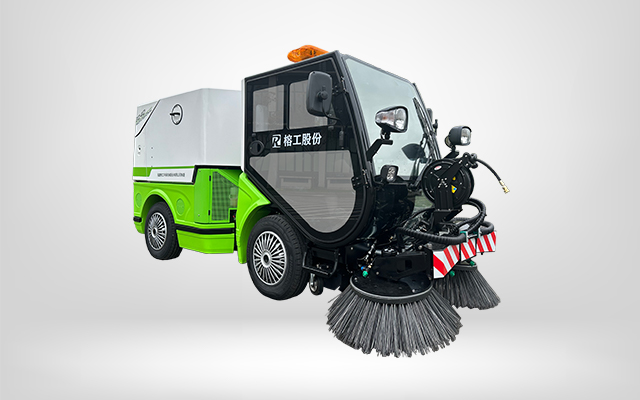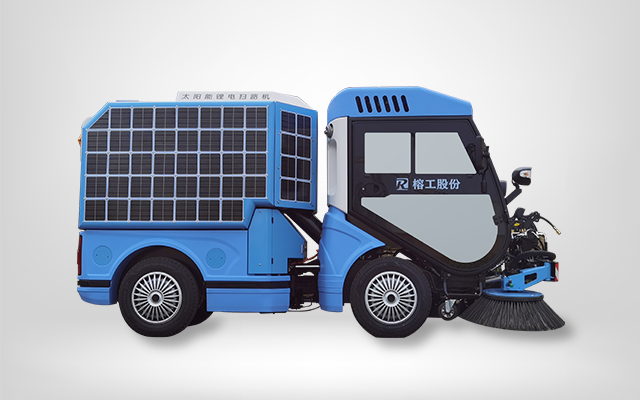
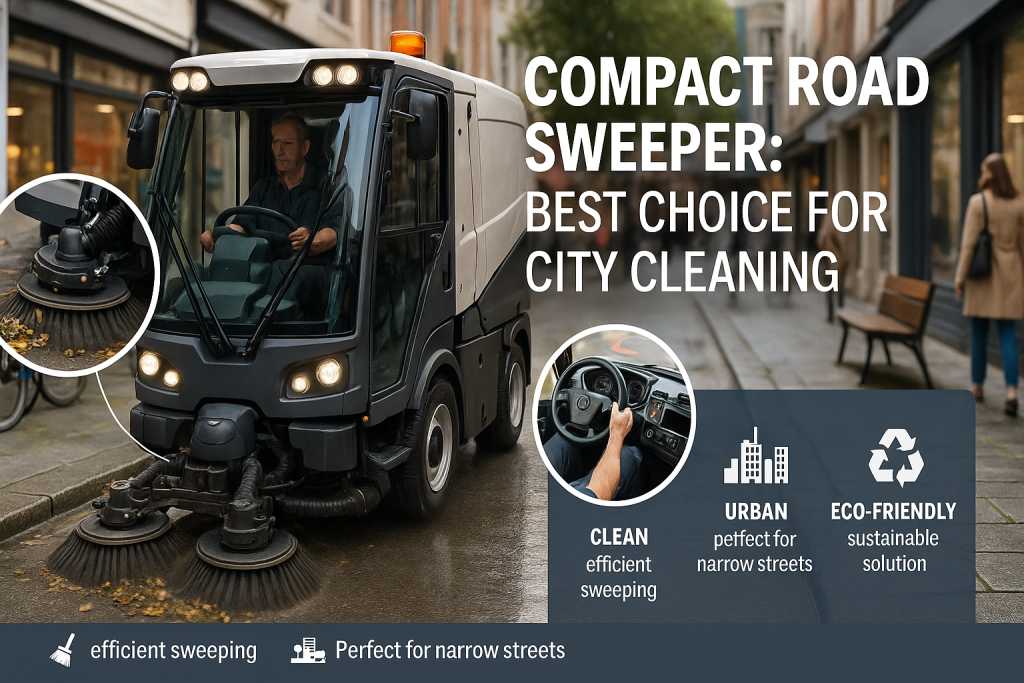
A compact road sweeper is a vital machine for modern urban maintenance. It offers a specialized solution for keeping cities clean. Standard sweepers are often too large for confined spaces. A compact road sweeper navigates these areas with ease. This makes it an indispensable tool for municipalities and private contractors. The machine’s design focuses on maneuverability, efficiency, and low environmental impact. It addresses the unique challenges of cleaning pedestrian zones, narrow alleys, and crowded downtown cores. Understanding the features and benefits of a compact road sweeper helps in making an informed decision for any cleaning operation. This guide explores every aspect of these versatile machines.
A deep knowledge of the compact road sweeper is the first step. These machines are engineered for specific urban challenges. Their design and function set them apart from larger equipment. They represent a significant step forward in cleaning technology. Learning about their characteristics reveals why they are so crucial for city cleanliness.
A compact road sweeper is defined by its small physical footprint. Its dimensions are significantly smaller than traditional municipal sweepers. This size allows it to operate in spaces that are otherwise inaccessible. The turning radius is a key feature. It is much tighter, permitting sharp turns around corners and obstacles. This agility is essential for navigating complex urban layouts.
Hopper capacity is another defining trait. While smaller than large sweepers, the hopper is sized for efficiency in targeted areas. It typically holds enough debris for several hours of operation before needing to be emptied. The core components include a system of powerful brushes. Side brushes guide debris from curbs and edges toward the center. A main cylindrical brush then lifts the material off the ground. A strong suction system collects the debris and deposits it into the hopper. Most models also feature a water tank. This water is used for dust suppression, a critical function in populated areas.
Urban cleaning has a long history. It began with simple manual sweeping using brooms and carts. The industrial age introduced large mechanical sweepers. These machines were revolutionary for cleaning wide avenues and main roads. They greatly improved the speed and scale of street cleaning. Yet, as cities grew denser, a gap in equipment capability became clear. These large sweepers could not service tight lanes or pedestrian-only zones.
The need for a smaller, more nimble machine led to the compact road sweeper. Early models were basic, but they proved the concept’s value. Modern technology has since refined these machines. Today’s compact sweepers feature advanced hydraulics, efficient engines, and sophisticated control systems. They use state-of-the-art filtration and water systems to protect air quality. This evolution reflects a deeper understanding of urban dynamics. The development of these machines is well-documented in resources like the Street Sweeper Wikipedia page, which traces their history. A modern compact road sweeper is a product of decades of engineering focused on urban needs.
The differences between a compact road sweeper and a large municipal sweeper are substantial. Their operational scopes are distinct. Large sweepers are built for highways, arterial roads, and expansive industrial areas. A compact road sweeper excels in city centers, residential neighborhoods, and commercial complexes. Fuel consumption is another major point of contrast. Compact models use smaller engines, leading to lower fuel use and reduced operational costs per hour.
Noise level is a critical consideration for urban cleaning. Large sweepers can be very loud, limiting their use to specific times. A compact road sweeper operates much more quietly. This allows for cleaning schedules that are less disruptive to residents and businesses. The choice between models depends on the primary application. A city might use a fleet of large sweepers for its main roads and a separate fleet of compact models for its downtown core. Understanding these differences is key when sourcing equipment from a municipal road sweeper supplier. Each machine type has a specific role in a comprehensive cleaning strategy.
The advantages of a compact road sweeper are clear in urban settings. These benefits directly address the limitations of other cleaning methods. The machine’s design delivers superior performance in challenging environments. Its efficiency and low impact make it a preferred choice for many cleaning tasks.
Exceptional maneuverability is the primary benefit of a compact road sweeper. Cities are filled with obstacles. Parked cars, street furniture, and tight corners make cleaning difficult. A compact sweeper is designed to navigate this complex landscape. Its small size allows it to move freely where larger vehicles cannot. Many models feature articulated steering. This design allows the front and rear sections of the machine to pivot independently. It results in an extremely small turning circle.
This level of control is essential for thorough cleaning. The operator can easily guide the machine along curbs and around posts. It can enter narrow laneways that would otherwise require manual sweeping. This capability ensures that no part of the street is left dirty. The ability to work in congested areas without causing disruption is a major plus. For this reason, a compact sweeper for narrow streets is not just a convenience. It is a necessity for achieving high standards of cleanliness.
A compact road sweeper boosts efficiency for specific cleaning jobs. Large machines are inefficient for small or isolated areas. The time spent transporting and setting up a large sweeper can outweigh its cleaning speed. A compact model can be deployed quickly. It can travel to a location, perform its task, and move to the next job with minimal downtime. This makes it ideal for responding to localized cleaning needs, like after a small public event or a minor spill.
The machine’s design allows it to concentrate its cleaning power on a smaller area. This targeted approach is more effective than the broad sweep of a larger machine in many situations. It ensures a deeper clean for the designated zone. From an economic standpoint, using the right-sized equipment makes sense. Operating a compact road sweeper is less expensive than using a large one for a small task. This efficiency leads to better resource allocation and lower overall cleaning costs.
Modern cities are increasingly focused on sustainability. The compact road sweeper fits well within this green framework. Its smaller engine consumes less fuel, which means lower greenhouse gas emissions. Many new models are available with alternative power sources, such as electric or hybrid systems, further reducing their carbon footprint. The dust suppression systems are also a key environmental feature. By preventing dust and fine particulates from becoming airborne, these sweepers help improve local air quality.
Noise pollution is another serious urban issue. A compact road sweeper is engineered to operate quietly. This allows cleaning operations to take place during early mornings or even daytime hours without disturbing residents or commerce. The reduced noise is a result of advanced engine insulation and quieter suction fans. This low-impact operation makes the compact road sweeper a more socially responsible choice for cleaning in close proximity to people.
The versatility of the compact road sweeper allows it to be used in many different environments. Its unique capabilities make it the perfect tool for a range of cleaning tasks that are difficult or impossible for larger machines. Its adaptability is one of its greatest strengths.
Pedestrian-only zones and town squares are hubs of public life. Keeping them clean is important for public health and civic pride. A compact road sweeper is ideal for these areas. It is small enough to move safely among benches, planters, and public art installations. Operators have excellent visibility, which is crucial when working near people. The machine can effectively remove litter, leaves, and other debris that accumulates in these high-traffic locations.
The quiet operation of a compact road sweeper is a major benefit in these spaces. It allows cleaning to occur without disrupting the peaceful atmosphere of a park or square. The result is a consistently clean and welcoming environment for everyone to enjoy. A clean public square enhances the image of a city and encourages community gathering.
Many cities have historic districts with narrow, winding streets. These areas are often paved with delicate materials like cobblestone or brick. Cleaning them requires a machine that is both powerful and gentle. A compact road sweeper meets these requirements. Its small size is perfect for navigating tight lanes. The operator can adjust the brush pressure to avoid damaging sensitive surfaces.
Debris can easily get trapped between cobblestones. The powerful suction of a compact road sweeper can lift this embedded dirt. This helps preserve the historic character of the area while ensuring it remains clean and safe. Regular cleaning prevents the buildup of materials that could harm the paving over time. It is a careful balance between preservation and sanitation that these machines handle well.
Parking facilities are another key application. A compact road sweeper is well-suited for cleaning surface lots and multi-story parking garages. In garages, low height clearance is often a challenge for other vehicles. Many compact sweeper models are designed with a low profile to fit under height restrictions. They can easily clean each level of a parking structure.
These machines are effective at removing oil drips, tire rubber, and general litter. A clean parking facility is safer for drivers and pedestrians. It also creates a better first impression for visitors to a shopping center, office building, or airport. The maneuverability of the compact road sweeper allows it to clean efficiently around support columns and in tight parking spaces.
Large campuses and business parks are like small towns. They have a network of roads, pathways, and plazas that need regular cleaning. A compact road sweeper is an excellent tool for this environment. It can handle the varied surfaces, from asphalt service roads to decorative brick walkways. It keeps the grounds looking pristine for students, staff, and visitors.
These institutions benefit from the machine’s flexible and low-impact operation. Cleaning can be scheduled around class times or business hours to minimize disruption. A clean campus contributes to a positive learning environment. A well-maintained business park projects an image of professionalism. A road sweeper for urban cleaning provides the capability needed to uphold these standards across large, complex properties.
Choosing the right compact road sweeper involves looking closely at its technical specifications. Different models offer different features. Understanding these components helps match the machine to the specific cleaning needs of an area. A careful evaluation ensures the best performance and value.
The heart of any compact road sweeper is its sweeping system. This system consists of brushes and a suction unit. Side brushes, also known as gutter brooms, are located at the front corners. They rotate to pull debris away from curbs and walls, directing it into the path of the main brush. The main brush is a wide, cylindrical broom located underneath the machine. It sweeps the debris off the pavement and toward the suction nozzle.
The suction system then pulls the debris up into the hopper. The power of this vacuum is a critical performance factor. A strong suction is needed to lift heavy materials like wet leaves or gravel. Many machines allow the operator to adjust the rotation speed and downward pressure of the brushes. This allows for customization based on the surface type and the amount of debris. A well-designed sweeping system ensures a one-pass clean.
Dust control is a primary concern during sweeping operations. A compact road sweeper uses a water system to manage this. Water is sprayed from nozzles located near the brushes and suction head. This light mist dampens debris, preventing fine dust particles from becoming airborne. This process protects the health of the operator and the public. It also improves visibility for the operator.
Key aspects of the water system to consider include the water tank capacity. A larger tank allows for longer working periods before needing a refill. Some advanced models feature a water recirculation system. This system filters and reuses the water collected during the sweeping process. This conserves a significant amount of water. It is an important feature for operations in areas with water restrictions.
The hopper is where all the collected debris is stored. Its capacity is an important specification. A larger hopper means less time spent traveling to a disposal site to empty it. This increases productivity. The choice of hopper size should be balanced with the need for the machine to remain compact and maneuverable. The hopper itself is usually made from durable materials like stainless steel to resist abrasion and corrosion.
The mechanism for emptying the hopper is also a key feature. There are two main types: low-dump and high-dump. A low-dump system empties the debris at ground level. A high-dump system uses a hydraulic lift to raise the hopper. This allows the debris to be emptied directly into a dumpster or a larger truck. A high-dump feature greatly improves operational efficiency by simplifying the disposal process.
The operator’s environment is crucial for productivity and safety. A modern compact road sweeper features an ergonomic cabin designed for comfort during long shifts. Excellent visibility is a top priority. Large windows and well-placed mirrors provide the operator with a clear view all around the machine. This is essential for safe operation in crowded urban areas.
The controls should be intuitive and easy to reach. Many machines use a joystick or a simple control panel to manage all sweeping functions. This allows the operator to focus on maneuvering the vehicle. Safety features are also standard. This includes a Roll-Over Protective Structure (ROPS) to protect the operator in the event of an accident. A comfortable and safe operator is a more effective operator.
Selecting the best compact road sweeper requires a thoughtful approach. It is a significant investment that should be based on a clear understanding of needs and options. A systematic evaluation will lead to a purchase that provides long-term value and performance.
The first step is to analyze the specific cleaning challenges of your area. What types of debris are most common? Is it mostly light litter and leaves, or is there heavier sand and gravel from winter road treatment? The type of debris will influence the required suction power and brush type. Map out the areas that need cleaning. Note the narrowest streets, tightest corners, and any height restrictions.
Consider the local climate. Areas with heavy rainfall may require a sweeper with excellent wet-weather performance. Seasonal changes, like heavy leaf fall in autumn, should also be factored into the decision. A thorough assessment of your needs will create a clear set of requirements. This will help you filter through the available models to find the ones that are the best fit for your unique situation.
The initial purchase price of a compact road sweeper is only one part of its total cost. To make a financially sound decision, you must evaluate the total cost of ownership (TCO). This includes all expenses over the machine’s entire lifespan. Fuel consumption is a major operational cost. Look for models with fuel-efficient engines or alternative power systems.
Maintenance is another significant expense. Ask about the recommended service intervals and the cost of routine maintenance procedures. The price and availability of spare parts should also be considered. A machine with easily accessible and affordable parts will have a lower TCO. Operator training costs should be included in the calculation. A machine that is easy to learn and operate can reduce training time.
Reliable after-sales support is critical for keeping a compact road sweeper in service. A machine is only useful when it is running. Before purchasing, inquire about the supplier’s support network.
A strong support system is a key part of the value of a machine. It provides peace of mind that help will be there when issues arise. This ensures the long-term reliability of your investment.
Investing in a compact road sweeper offers returns that go beyond clean streets. It has a positive impact on public health by removing harmful dust and pollutants. It improves safety by clearing away debris that could cause accidents. Clean streets also enhance civic pride and can boost tourism and local business.
From an operational perspective, a compact road sweeper is more efficient than manual labor. It accomplishes more in less time with fewer people. It is also more cost-effective than using oversized equipment for tasks in confined areas. This leads to significant long-term savings. The right fleet of city street cleaning machines is a smart investment in the overall quality of life in an urban area.
A compact road sweeper is an essential machine for maintaining clean and healthy urban spaces. Its unique combination of a small size, powerful cleaning capability, and low environmental impact makes it invaluable. It effectively cleans the narrow streets, pedestrian plazas, and parking structures that larger machines cannot service. By understanding its benefits, applications, and technical features, municipalities and property managers can choose the right model to meet their needs. This makes the compact road sweeper a cornerstone of any effective, modern urban cleaning program.
This is the first one.