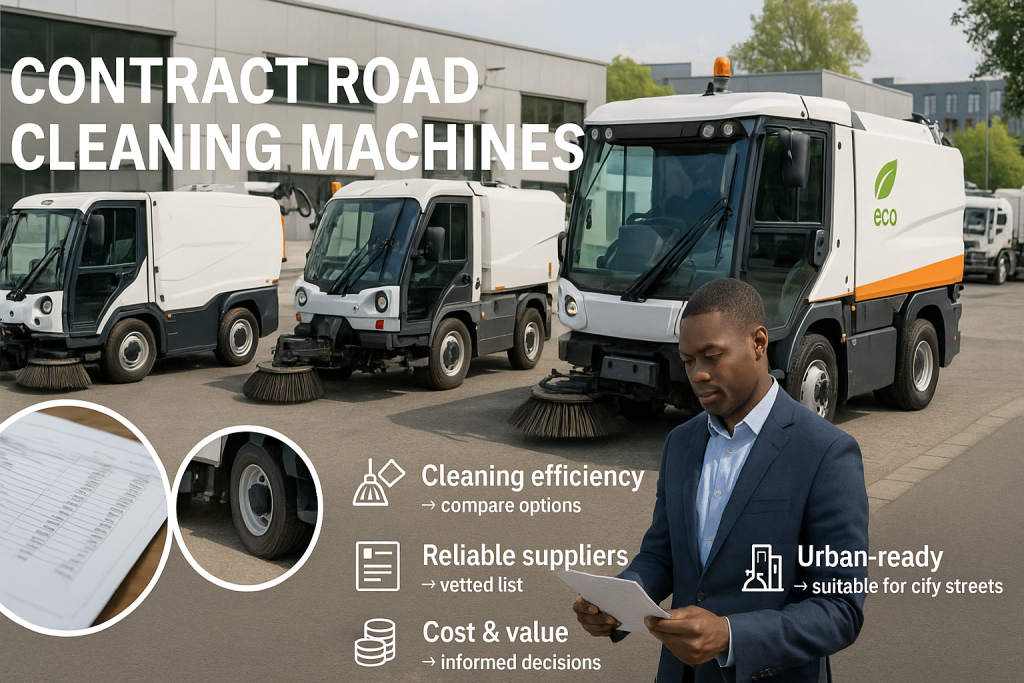
Using contract road cleaning machines is a strategic option for many organizations that require professional sweeping services. For municipalities, construction companies, and large industrial facilities, outsourcing the cleaning function can be a more efficient and cost-effective solution than owning and operating a dedicated fleet. The key to a successful outsourcing strategy lies in selecting the right partner from a carefully researched and vetted supplier list. This guide will provide a comprehensive overview of how to build that list and will detail the critical criteria that define a top-tier provider of contract road cleaning machines, ensuring a partnership that delivers value, reliability, and exceptional results.
The decision to use contract road cleaning machines instead of an in-house team is a strategic one, driven by clear financial and operational advantages. Outsourcing this specialized function allows an organization to focus on its core competencies while leveraging the expertise and efficiency of a professional service provider.
The most compelling reason to choose a contract service is the financial benefit. A new road sweeper is an extremely expensive capital asset. Outsourcing eliminates this massive upfront cost entirely. Furthermore, the significant ongoing costs of ownership—including insurance, storage, fuel, maintenance, and operator wages—are all bundled into a single, predictable service fee.
This converts a complex and often volatile set of expenditures into a simple line item in the operational budget. It eliminates the financial risk of a major, unexpected repair bill. For a public or private entity, this fiscal predictability and preservation of capital are powerful advantages.
A contract service provides more than just the machine; it provides the expertise. A professional cleaning contractor employs highly trained and experienced operators. These individuals are specialists who know how to use the equipment to its maximum potential, ensuring a safe and efficient cleaning operation.
This eliminates the significant and ongoing challenge of recruiting, training, certifying, and retaining skilled in-house operators. The contractor takes on this entire human resources burden. Their specialized knowledge also means they can recommend the best type of machine and the most effective cleaning strategy for any given situation, adding a valuable consultative element to the service.
When you partner with a reputable provider of contract road cleaning machines, you are paying for a guaranteed result. This is typically governed by a Service Level Agreement (SLA), which contractually obligates the supplier to meet a specific standard of cleanliness and a set schedule.
This arrangement transfers the operational risk from the client to the contractor. If one of their machines breaks down during a job, it is their responsibility to provide a replacement machine immediately to complete the work on time. The client does not have to worry about downtime or disruptions to the cleaning schedule. This guaranteed performance is a key benefit of outsourcing.
Creating a shortlist of potential suppliers is the first practical step in the selection process. This list should not be arbitrary. It should be built by identifying companies that meet a set of core, non-negotiable criteria. These criteria are the hallmarks of a professional and reliable service provider.
Your potential supplier list should be populated with companies that are true specialists in road cleaning, not general-purpose contractors or equipment rental companies that happen to have a few sweepers. A specialist company lives and breathes road cleaning. Their entire business is built around this single function.
This specialization means they will have a deeper understanding of the specific challenges of different applications, from construction site track-out to fine dust control in an industrial park. They will have more experience, better-trained operators, and a more appropriate range of equipment. Prioritizing specialists is the first filter in building a high-quality list.
A top-tier supplier on your list must be able to demonstrate a significant investment in their own fleet. A large, modern, and well-maintained fleet is a clear indicator of a serious and professional operation. A small company with only one or two old machines will not be able to offer the reliability or flexibility you need.
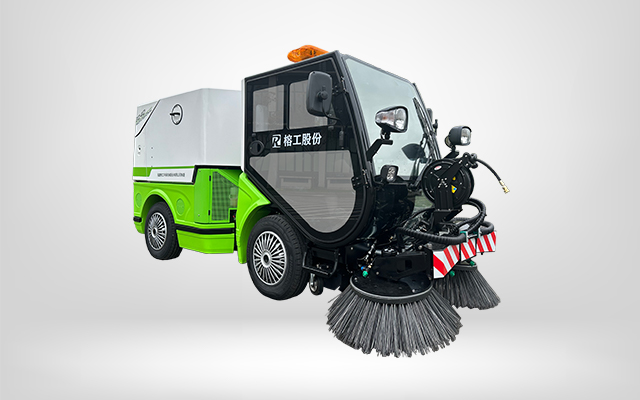
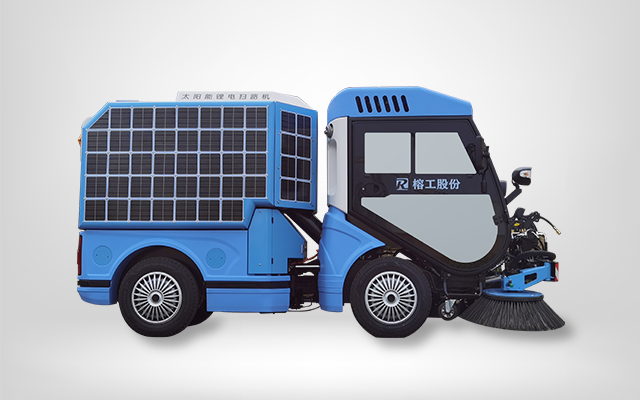
The fleet should also be diverse. A good contractor will have several different types of sweepers to handle any job effectively. This should include powerful mechanical broom sweepers for heavy debris, versatile vacuum sweepers for general use, and possibly even quiet, zero-emission electric models for sensitive areas. The ability to deploy the right tool for the job, such as a heavy-duty municipal road sweeper when needed, is a key sign of a capable supplier.
The companies on your list must be able to prove their competence through a history of successful projects and satisfied clients. A reputable contractor will be proud to share their track record. Ask potential suppliers for detailed case studies of projects that are similar to yours.
Most importantly, ask for a list of current or recent clients that you can contact for a reference. Speaking directly with other facility managers or public works officials who have used their services is the best way to get an honest assessment of their performance, reliability, and professionalism. A supplier with a long list of happy clients is one that deserves a place on your shortlist.
Once you have a shortlist of specialized, well-equipped, and reputable contractors, the next step is a deeper evaluation. This involves asking a series of specific questions that probe into the key areas of safety, environmental responsibility, and operational flexibility.
When heavy machinery is operating on your property or public streets, safety is the absolute top priority. A professional provider of contract road cleaning machines will have a deeply ingrained safety culture. You should ask detailed questions about their safety program.
Inquire about their operator training and certification process. Ask about their pre-shift safety inspection protocols for their machines. You can also ask about their overall safety record and if they hold any third-party safety certifications. A supplier who cannot speak fluently and confidently about their commitment to safety should be removed from your list.
A modern cleaning operation must be an environmentally responsible one. A key evaluation point is the supplier’s approach to environmental compliance and stewardship. A critical question to ask is how they legally and responsibly handle the disposal of the collected waste material. They should have a clear and documented process for this.
You should also inquire about the availability of eco-friendly equipment options in their fleet. Do they offer sweepers with modern, low-emission engines? Can they provide a zero-emission electric sweeper for work in sensitive areas? A supplier’s commitment to sustainability is another important indicator of their professionalism.
Your cleaning needs may not always fit into a rigid, nine-to-five schedule. It is important to find a partner who can be flexible and responsive. Ask potential suppliers about their ability to accommodate your specific scheduling requirements. Can they perform the work overnight or on weekends to avoid disrupting your operations or public traffic?
You should also assess their ability to respond to short-notice or emergency requests. How quickly can they dispatch a machine and operator to handle an unexpected spill or other urgent cleanup need? A supplier who can demonstrate this kind of operational agility is a much more valuable long-term partner.
The service contract, or proposal, is the document that will define your entire relationship with the supplier. It must be scrutinized carefully to ensure that it is clear, comprehensive, and fair. The quote should provide a detailed breakdown of all services and costs.
The most important section of the contract is the Scope of Work. This section must define, in precise detail, exactly what the service entails. It should include a map or clear description of the specific areas to be cleaned. It must state the frequency of the service (e.g., daily, weekly, or on-call).
The Scope of Work should also define the expected standard of cleanliness. A clear, mutually agreed-upon definition of what constitutes a “completed” job is essential for avoiding future disputes. Any ambiguity in this section can lead to misunderstandings and dissatisfaction.
The quote must provide a clear and transparent breakdown of the pricing. There are several common pricing models for contract road cleaning machines, and it is important to understand which one is being used.
The quote must also be explicit about what is included in the base rate, such as the operator’s time, fuel, and standard waste disposal fees. Any potential extra charges should be clearly listed.
For a recurring service contract, a Service Level Agreement (SLA) is a critical component. The SLA is the part of the contract that defines the measurable standards of performance that the supplier is obligated to meet. It is the core of what a true street-sweeper-contract-supplier offers.
The SLA might include metrics for on-time performance, the standard of cleanliness to be achieved, and the maximum allowable response time for an on-call request. Crucially, the SLA should also outline the remedies or financial penalties that will be applied if the supplier fails to meet these agreed-upon standards. The SLA provides accountability and protects the client.
The decision to use contract road cleaning machines should always be made in the context of the other available options. A strategic analysis involves comparing the costs and benefits of outsourcing to those of performing the work in-house with either owned or leased equipment.
Outsourcing to a service contractor is a fundamentally different model than leasing. A long-term road sweeper leasing agreement provides your organization with a machine for your own staff to operate. This gives you direct, hands-on control over the day-to-day cleaning operations and scheduling.
A service contract is a complete outsourcing of the entire function. You are paying for a finished result, not for the use of a machine. The contractor is responsible for all aspects of the operation, including staffing and management. The choice between these two models depends on whether an organization wants to retain direct operational control or prefers to outsource the function completely.
Contracting is not always the right answer, but it is the ideal solution for a number of specific scenarios. It is perfect for organizations that have infrequent or highly specialized cleaning needs. For example, a construction company that only needs a sweeper for a few weeks at the end of a project is a prime candidate for a service contract.
It is also a great option for organizations that lack the in-house expertise or staff to manage their own sweeping program. Finally, a contract service can be used strategically to supplement an in-house crew during peak seasons or for tasks that require a specialized machine, like a powerful highway road cleaning machine, that the organization does not own.
The growing popularity of the service contract model is part of a broader evolution in how organizations manage their support functions. The traditional model of owning and operating all necessary equipment is being replaced by a more flexible, “as-a-service” approach. This allows companies and public agencies to focus their resources on their core mission. The increasing complexity of modern equipment, as seen in the history of the Street sweeper, makes this service-based model even more attractive, as it outsources the technical challenges of equipment management.
By carefully selecting a professional provider of contract road cleaning machines, any organization can access a high level of cleaning performance in a way that is financially prudent and operationally hassle-free. The key is to conduct a diligent evaluation process, focusing on the supplier’s specialization, fleet quality, safety record, and contractual transparency. For many applications, outsourcing is the smartest path to achieving a clean, safe, and compliant site.
This is the first one.