Partnering with the right council street sweeper supplier is crucial for municipal cleanliness. While direct purchase has traditionally been the standard method of acquiring equipment, leasing has emerged as a smart, flexible, and financially astute alternative. For local councils facing tight capital budgets, leasing offers a powerful way to access modern, efficient equipment while maintaining predictable operational expenses. It can simplify fleet management and ensure that public works departments have the best tools for the job. This guide provides the best tips for navigating the leasing process with a council street sweeper supplier, from understanding the core benefits to scrutinizing the fine print of the agreement.

The decision to lease rather than buy is a strategic one, driven by a desire for greater financial flexibility and operational efficiency. The benefits of leasing are compelling and address many of the common challenges faced by public works departments today. A modern leasing program from a reputable council street sweeper supplier can be a game-changer.
The most significant benefit of leasing is the preservation of capital. A new street sweeper is a major capital expenditure that can tie up a large amount of public funds. Leasing eliminates this large upfront cost, replacing it with smaller, manageable periodic payments. This frees up capital that can be used for other essential public services or projects.
Leasing also leads to more predictable budgeting. The fixed monthly, quarterly, or annual payments are a known operating expense, making it much easier for a council to forecast its expenditures accurately. There are no surprise costs associated with the initial purchase. This financial model aligns the cost of using the equipment with the period in which it is providing value, which is a core principle of sound public financial management.
Beyond the financial aspects, leasing offers substantial operational advantages. It provides access to the latest and most advanced technology. Lease cycles are typically between three to seven years. This means a council can regularly refresh its fleet, ensuring it is always using modern, efficient, and environmentally friendly machines. This avoids the problem of being locked into owning outdated technology for a decade or more.
Newer equipment is also more reliable. A leased fleet of modern sweepers will experience significantly less downtime for unexpected repairs compared to an aging, council-owned fleet. This increases the overall productivity and reliability of the cleaning service. Furthermore, many lease agreements include comprehensive maintenance packages, which simplifies fleet management and removes the burden of complex repairs from the council’s own workshop.
The choice between leasing and buying is a fundamental strategic decision for any public works department. Each approach has its own set of implications for a council’s finances and operations. A direct comparison highlights the key differences and can help in making the most appropriate choice for your specific situation.
Ultimately, the best choice depends on a council’s long-term financial strategy, its capital budget availability, and its appetite for managing the risks associated with equipment ownership.
Not all lease agreements are the same. When you engage with a council street sweeper supplier, they may offer several different types of leases. Understanding the distinctions between these options is essential for choosing the one that best aligns with your council’s financial goals and accounting practices.
The operating lease is the most common and straightforward type of lease for municipal equipment. In this arrangement, the council pays to use the street sweeper for a fixed period of time. The lease payments are calculated based on the depreciation of the machine over that term, not its full value. The supplier, or lessor, retains actual ownership of the equipment.
At the end of the lease term, the council simply returns the machine to the supplier. The payments are treated as an operating expense on the council’s income statement, and the asset does not appear on its balance sheet. This simplicity and the lower payment amounts make operating leases a very attractive option for many public sector bodies.
A finance lease, sometimes called a capital lease, is structured more like a long-term loan. The lease term is typically longer, often covering the majority of the sweeper’s expected economic life. The sum of the lease payments will be close to the full purchase price of the machine. Under this type of agreement, the council assumes most of the risks and rewards of ownership.
From an accounting perspective, a finance lease is treated differently. The street sweeper is recorded as an asset on the council’s balance sheet, and the lease obligation is recorded as a liability. A finance lease often includes an option for the council to purchase the sweeper for a nominal amount at the end of the term.
A lease-to-own program is a hybrid model that provides a clear and structured path to eventual ownership. It combines elements of both an operating lease and a purchase agreement. The council makes regular lease payments over a set term. A portion of each payment is applied toward the purchase price of the machine.
This model is a good option for councils that want to own their equipment in the long run but do not have the upfront capital for a direct purchase. It allows the acquisition of a vital asset over time through manageable operational budget payments. The terms of these agreements should be reviewed carefully to understand how the final purchase price is calculated.
The success of any leasing arrangement depends heavily on the quality and expertise of the supplier you choose to partner with. You are entering into a multi-year financial and operational relationship. Selecting the right leasing partner is as important as selecting the right machine.
The best leasing partner is not a generic bank or finance company. It is a specialized equipment provider who offers in-house leasing options. A dedicated council street sweeper supplier has deep expertise in the equipment itself. They understand the operational demands and the maintenance needs of a street sweeper.
This expertise allows them to structure a lease agreement that makes both financial and operational sense. They can build in appropriate terms for usage and maintenance because they know the machines inside and out. This integrated approach, combining equipment expertise with financial solutions, provides a much greater value than a simple financing transaction.
Leasing to a government entity is different from leasing to a private company. The procurement process is governed by a strict set of rules and regulations. The lease agreements themselves often contain specific clauses required for public contracts. An experienced supplier will be an expert in navigating this landscape.
They will be familiar with the entire government road sweeper procurement process as it applies to leasing. They can ensure that the entire transaction is compliant, transparent, and correctly documented. This experience saves time, reduces administrative burdens, and prevents potential legal or compliance issues down the road.
A key benefit of leasing is gaining access to modern equipment. Therefore, the leasing partner must have a wide selection of the latest street sweeper models available. This ensures that you can lease a machine that is a perfect fit for your council’s specific needs, not just a machine that the supplier happens to have in stock.
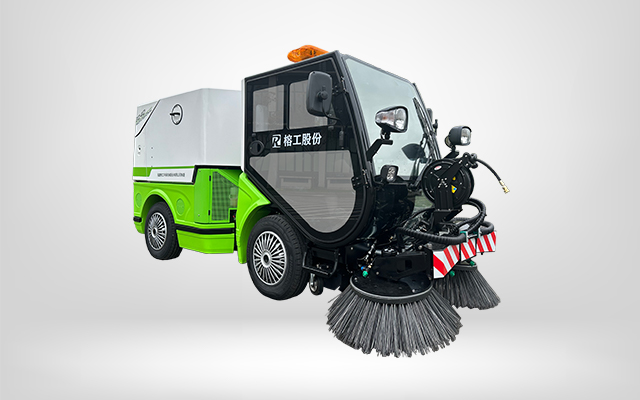
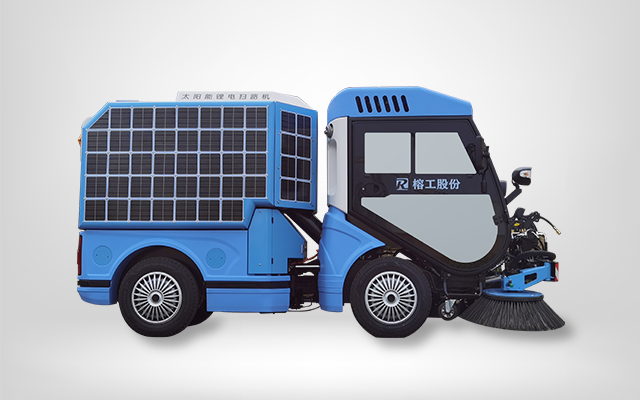
The supplier should be able to offer a range of sizes, from compact units to heavy-duty models. They should also have options for different technologies and power sources, including eco-friendly electric sweepers. A broad and modern fleet is a sign of a serious and well-established municipal cleaning equipment supplier.
When you receive a lease proposal from a council street sweeper supplier, it is essential to review it with a fine-toothed comb. The quote is the foundation of your future legal agreement. Every detail matters, and a thorough analysis will prevent unwelcome surprises later.
The most basic part of the quote is the payment schedule. It must clearly define the amount of each payment and the frequency, whether it is monthly, quarterly, or annually. The total number of payments and the full term of the lease should also be clearly stated. Check for any upfront costs, such as a down payment or an advance first payment, which must be factored into your budget. A clear and simple payment structure is a sign of a transparent leasing partner.
This is one of the most critical and variable parts of a lease agreement. The quote must be absolutely explicit about who is responsible for maintenance and repairs. A “wet lease” is one that includes a full maintenance package. Under this arrangement, the supplier is responsible for all scheduled maintenance and repairs, and the cost is built into the single lease payment. This offers complete budget certainty. A “dry lease” means the council is responsible for all upkeep. This may result in a lower monthly payment but carries the risk of unbudgeted repair costs.
Lease agreements are based on the expected depreciation of the machine over the term. To control this depreciation, leases almost always include limits on usage. The quote should clearly specify the maximum number of operating hours or miles allowed per year. There will be financial penalties for exceeding these limits, and the cost of these overage charges should be clearly stated. The agreement must also define what constitutes “normal” wear and tear versus “excessive” damage, for which the council would be financially responsible.
The quote must provide a clear and detailed explanation of what happens when the lease term is over. There are typically several options. The most common is to simply return the equipment to the supplier. The quote should describe the return process and any associated costs, such as inspections or transportation. Other potential options that should be outlined include the possibility of renewing the lease for another term or the option to purchase the machine outright and its associated cost.
Leasing is a powerful tool, but it is just one of several ways a council can meet its street cleaning needs. A truly strategic approach involves comparing leasing to other options, such as short-term rental or outsourcing, to create a blended fleet strategy.
It is important to understand the difference between leasing and renting. Leasing is a long-term solution designed to meet a council’s core, ongoing fleet requirements. A typical lease term is several years. Renting, on the other hand, is a short-term, temporary solution. A municipal road sweeper rental is perfect for handling seasonal peaks in demand, such as autumn leaf collection. It is also a great option for special event cleanups or to temporarily replace a machine that is down for a major repair.
The other major alternative is to outsource the entire cleaning service to a contractor. When you lease a sweeper, your own council staff will operate and manage the machine. When you hire a contractor, an external company provides the machine, the operator, and the management of the service for a set fee. This can be a very cost-effective option for specialized tasks or in areas where it is difficult to recruit trained operators. A comparison should be made between the total cost of an in-house, leased operation and the quotes received from a street sweeper contract supplier.
For many councils, the most efficient and cost-effective strategy is not to choose one single acquisition model, but to use a blend of all of them. This strategic approach might involve the direct ownership of a few core, high-use sweepers that are the backbone of the fleet. The council could then lease several additional units to keep the fleet modern and to handle the bulk of the routine work. Finally, it could use short-term rentals or service contracts to manage seasonal peaks or special projects. This blended model provides the ultimate in flexibility and financial efficiency, building on the long evolution of the Street sweeper.
Leasing is a powerful financial and operational tool that can help local councils build modern, reliable, and efficient street cleaning fleets. It allows them to manage their budgets more effectively while providing a higher level of service to their communities. The key to a successful leasing strategy is to partner with a knowledgeable and transparent council street sweeper supplier. By following these tips and conducting a thorough evaluation, public works officials can make the best possible leasing decisions, delivering great value and cleaner streets for their citizens.
This is the first one.