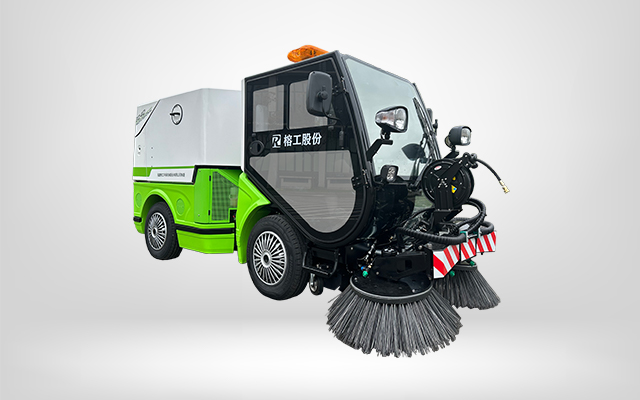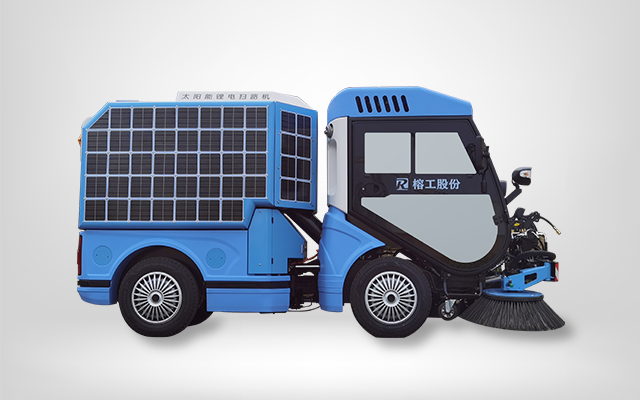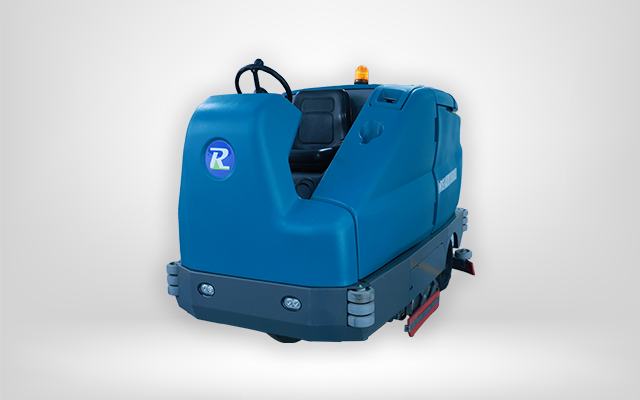
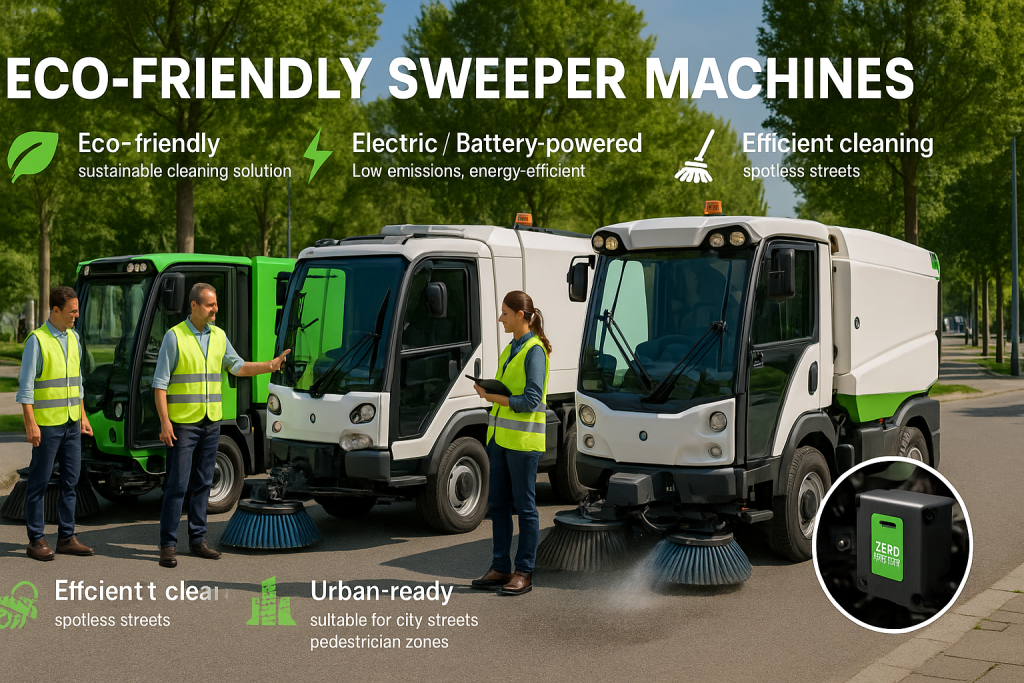
Environmentally friendly sweeper machines are rated as a top pick for sustainable urban and commercial cleaning. In the modern era, the goal of a sanitation program is not just to create a visually clean space, but to do so in a way that actively protects the local environment and enhances public well-being. The best eco solutions in this field are defined by their ability to drastically reduce harmful emissions, minimize noise pollution, and conserve valuable resources like water. These advanced machines are no longer a niche alternative; they are rapidly becoming the new standard for forward-thinking municipalities and businesses. This guide will provide a complete overview of the top-rated picks and technologies that define modern, environmentally friendly sweeper machines.
The single most significant factor in a sweeper’s environmental footprint is its power source. The engine is the heart of the machine, and the technology it uses determines its impact on air quality and the soundscape of a community. The top-rated eco solutions are all focused on moving away from the loud, polluting engines of the past toward cleaner, quieter, and more sustainable alternatives.
The highest-rated and most impactful eco-friendly feature available today is an all-electric, battery-powered system. This technology is the gold standard for green cleaning for two primary reasons: it produces zero tailpipe emissions, and it is virtually silent. The elimination of exhaust fumes has a direct and immediate positive effect on local air quality. It removes harmful pollutants like nitrogen oxides and fine particulate matter from the air that citizens and operators breathe.
The near-silent operation of the electric motors is a transformative benefit for urban and residential cleaning. It allows for cleaning operations to take place in the early morning or even overnight without causing a noise disturbance. This combination of clean air and quiet performance makes all-electric technology the undisputed top pick. It is the core of any true battery-powered road sweeper.
For the largest, most demanding heavy-duty applications where a fully electric option may not yet have the required range or capacity, the next top-rated pick is a machine equipped with an advanced clean diesel engine. These are not the engines from a decade ago. Modern diesel power plants are highly engineered to meet the most stringent global emission standards, such as Tier 4 Final and Euro 6.
To achieve this high level of cleanliness, they employ sophisticated exhaust after-treatment technologies. This includes Diesel Particulate Filters (DPF) that capture and burn off soot, and Selective Catalytic Reduction (SCR) systems that use a fluid additive to chemically neutralize harmful nitrogen oxides. While not completely emission-free, these clean diesel engines are a practical and highly effective eco solution for heavy-duty fleets.
Another top-rated solution for reducing the carbon footprint of a cleaning fleet is the adoption of renewable and alternative fuels. These offer an immediate path to lower emissions, often without the need to purchase a brand-new machine. One of the most promising options is Hydrotreated Vegetable Oil (HVO). This is a bio-based, renewable fuel that can be used as a direct “drop-in” replacement for conventional diesel in many engines. It can significantly reduce the net greenhouse gas emissions of an operation.
Another established alternative is Compressed Natural Gas (CNG). CNG-powered sweepers burn much cleaner than older diesel models, with lower emissions of many key pollutants. These alternative fuels serve as an important bridge technology, allowing fleets to become greener while the industry continues its transition toward a fully zero-emission future.
A core principle of any environmentally friendly machine is the efficient use of natural resources. In the world of road sweeping, water is a critical resource used for dust suppression. The top-rated environmentally friendly sweeper machines are therefore designed with advanced technologies that achieve maximum dust control with minimum water consumption.
The primary purpose of using water in a sweeper is to control airborne dust. A fine mist of water sprayed onto the road surface weighs down fine particles, preventing them from being kicked up into the air during the sweeping process. This is an essential function for protecting public health. However, water is a valuable and often limited resource. A machine that uses an excessive amount of water is not a truly green solution. Therefore, a top-rated feature is a system designed for maximum water efficiency.
The most advanced and highly-rated eco solution for water conservation is an onboard water recycling system. This technology is a game-changer for both sustainability and productivity. The system is designed to capture the water that is used for dust suppression after it has been sprayed on the road. This dirty water is collected along with the solid debris.
Inside the machine, the water is separated from the solids and then passed through a multi-stage filtration process. This removes the dirt and contaminants. The cleaned, recycled water is then pumped back to the main water tank to be used again. This closed-loop system can cut the machine’s consumption of fresh water by a dramatic amount, conserving a precious resource and allowing the sweeper to stay on its cleaning route for much longer without needing to stop for a refill.
Even on machines that do not feature a full recycling system, water efficiency is a key design priority. This is achieved through several smart technologies and design choices.
This is a central part of the design philosophy behind all modern green road cleaning equipment.
A top-rated environmentally friendly sweeper machine does more than just avoid creating its own pollution; it actively works to remove existing pollution from the urban environment. Its ability to capture and contain fine, hazardous dust is one of its most important ecological functions.
While large pieces of litter are unsightly, the most harmful pollutants on a city street are often the ones that are invisible. Fine and ultra-fine dust particles, known as PM10 and PM2.5, can be inhaled deep into the lungs and are a major cause of public health problems. These particles come from sources like vehicle tire wear, brake dust, and industrial emissions. A top-rated sweeper must be exceptional at capturing this microscopic dust.
The key to capturing this fine dust is a superior filtration system. This is a critical feature to look for in all top-rated environmentally friendly sweeper machines. A basic filter is not enough. The system must be designed for high-efficiency capture of very small particles. This often involves a multi-stage filtration process.
For the most sensitive environments, such as hospital campuses or city centers with strict air quality standards, some machines can be fitted with optional HEPA (High-Efficiency Particulate Air) filters. The hopper and the entire debris transfer system must also be fully sealed to prevent any captured dust from leaking back out into the atmosphere.
The design of the sweeping head itself also plays a major role in dust control. The most effective systems are designed to fully enclose the brushes and the pick-up area. This creates a contained space where the dust is disturbed, dampened with water, and immediately captured by the vacuum system before it has any chance to escape. This focus on containment at the source is a hallmark of a well-engineered, environmentally conscious design.
True environmental friendliness is a holistic concept. It considers the entire lifecycle of a product, from the resources used to manufacture it to how it is disposed of at the end of its life. The top-rated environmentally friendly sweeper machines are therefore designed with this full lifecycle in mind.
The most sustainable machine is one that is built to last. The manufacturing of a large and complex piece of equipment like a road sweeper consumes a great deal of energy and raw materials. A machine that is well-built and provides a long service life has a much smaller overall environmental footprint than a lower-quality machine that needs to be replaced more frequently. Durability, therefore, is a core green principle. Top-rated machines are built with heavy-duty frames, high-quality components, and a focus on long-term reliability.
A sustainable design philosophy also considers the end of the machine’s life. The materials used in its construction should be chosen not only for their durability but also for their recyclability. The extensive use of steel for the chassis and hopper is a sustainable choice, as steel is one of the most easily recycled materials on the planet. The use of high-grade, recyclable polymers for other components also contributes to a more sustainable lifecycle.
A machine that is easy to maintain and repair is one that is more likely to be kept in service for its full potential lifespan. A top-rated design therefore includes features that simplify service. This includes tool-free access to common wear items like filters and brushes, logically grouped service points, and modular components that can be easily replaced. This focus on maintainability is a key feature of all top-rated environmentally-friendly sweeper-machines.
The trend toward greener and more sustainable cleaning solutions is accelerating. The future of the industry will be defined by even cleaner technologies and a greater integration of smart, efficiency-boosting systems. The history of the Street sweeper is a story of continuous improvement, and the current focus on sustainability is its most important chapter yet.
The industry is on a clear and irreversible path toward a future where a zero-emission road sweeper is the standard, not the exception. This shift is being driven by both stricter environmental regulations and growing public demand for cleaner, quieter cities. As battery technology continues to improve and costs come down, the operational and financial case for all-electric fleets will become even more compelling.
Smart, connected technology is a powerful force for sustainability. The integration of IoT and telematics into green road cleaning equipment is making cleaning operations more efficient than ever before. Route optimization software reduces wasted miles, which in turn reduces the consumption of fuel or electricity. Predictive maintenance reduces waste by ensuring that parts are only replaced when necessary. This data-driven approach is a key part of a modern eco-solution.
The public’s expectation for urban maintenance has changed. It is no longer enough for a city to be clean; it must be cleaned in a way that is quiet, non-polluting, and environmentally responsible. This has become the new standard. A city’s investment in a fleet of eco-friendly city cleaning equipment is a highly visible and powerful way to demonstrate its commitment to these modern values.
By prioritizing the top-rated eco solutions—from all-electric power and water recycling to sustainable design and smart technology—green road cleaning equipment is setting a new and higher standard for responsible urban management. An investment in these advanced machines is an investment in a cleaner, quieter, healthier, and more sustainable future for any community.
This is the first one.