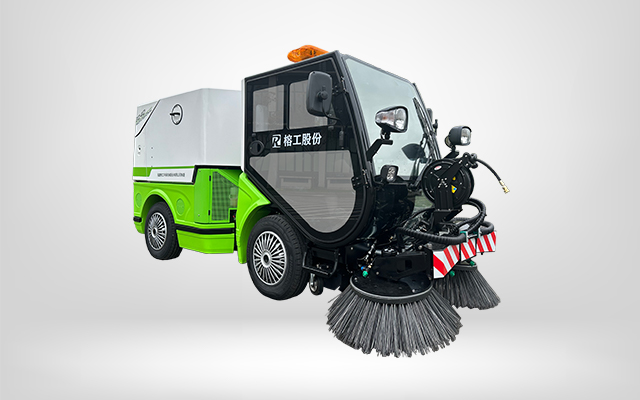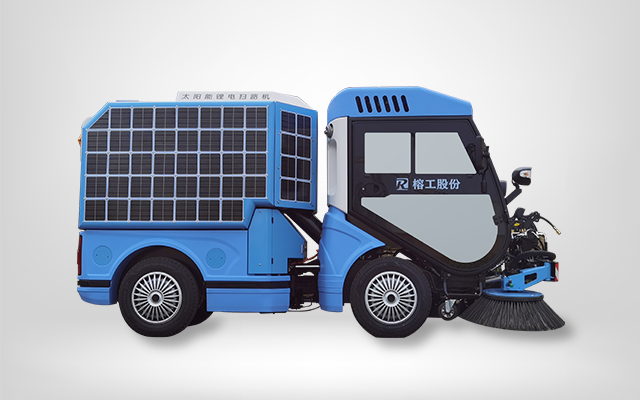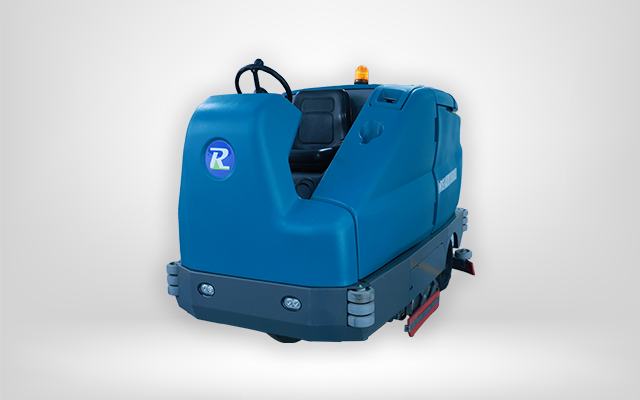
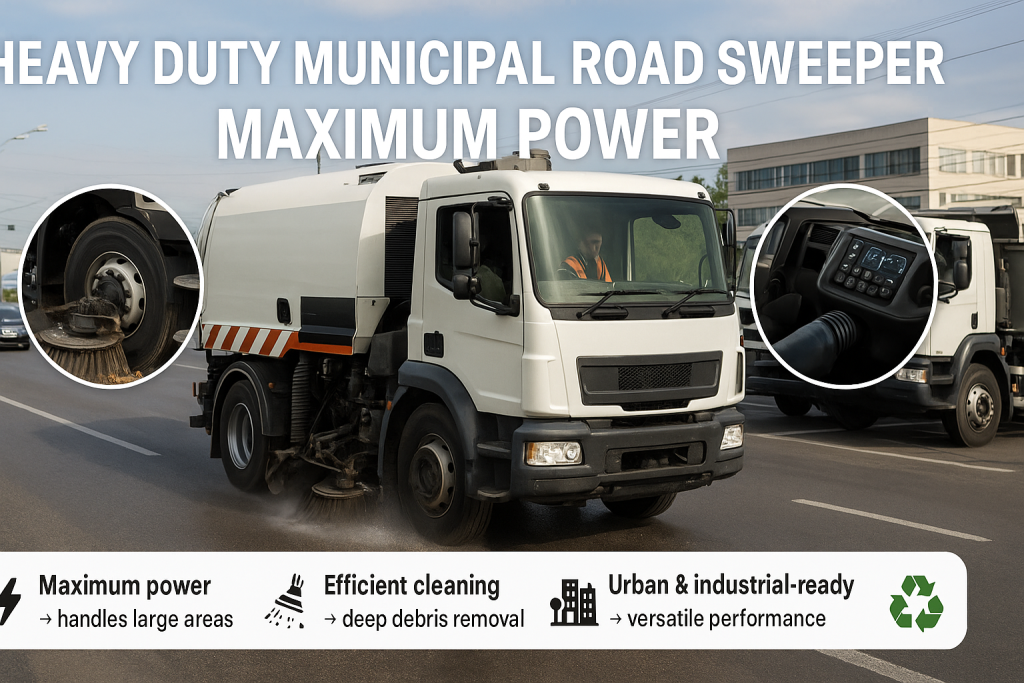
A heavy duty municipal road sweeper is engineered for the most demanding cleaning tasks a city can present. These are the powerful workhorses of any public works fleet, designed and built for maximum power, immense capacity, and uncompromising endurance. They are called upon to handle the jobs that smaller, more agile sweepers simply cannot manage. From post-construction cleanup on a major roadway to responding to severe weather events, the heavy duty municipal road sweeper is the essential tool for the toughest challenges. This guide will provide an in-depth look at these impressive machines, from their robust construction and powerful systems to their critical role in urban infrastructure maintenance.
The term “heavy duty” is more than just a label; it refers to a specific class of machine defined by its core design principles. A true heavy duty municipal road sweeper is characterized by its chassis, its capacity, and its power systems. These three elements work together to create a machine capable of high-performance cleaning in the most challenging conditions.
Unlike smaller, purpose-built sweepers, a heavy duty municipal road sweeper is built upon a commercial-grade truck chassis. This is the same type of foundation used for dump trucks and other large vocational vehicles. This robust chassis provides several key advantages. It has the strength to carry the immense weight of the sweeper unit, a full load of water, and tons of collected debris.
The powerful engine of the truck chassis provides the ability to travel at highway speeds, allowing the machine to move quickly between job sites without disrupting traffic. The heavy-duty suspension, axles, and braking systems are all designed to handle the demanding stop-and-go nature of street sweeping while carrying a heavy load. This solid foundation is the starting point for a machine built for endurance.
A defining characteristic of a heavy duty municipal road sweeper is its massive capacity. The debris hopper, measured in cubic yards or meters, is significantly larger than those found on smaller sweepers. This large volume is essential for maximizing the machine’s on-station time. It can clean for many miles or hours before it needs to stop and travel to a disposal site. This is a critical factor for productivity, especially when cleaning long stretches of road.
Similarly, the water tanks for the dust suppression system are also oversized. Effective dust control requires a significant amount of water, and a large tank ensures the machine does not run dry in the middle of a route. This combination of high-capacity systems for both debris and water is what allows a heavy duty sweeper to be so effective on large-scale jobs.
To handle the toughest debris, a heavy duty municipal road sweeper needs an immense amount of power dedicated to its cleaning functions. While some models use a hydrostatic system that runs off the main truck engine, many of the most powerful models use a dedicated auxiliary engine. This second, smaller engine is responsible for one thing only: powering the sweeper’s systems.
This twin-engine design ensures that maximum, consistent power is always available for the brooms, conveyors, and vacuum fans, regardless of the truck’s travel speed. These machines also feature oversized, high-capacity hydraulic systems. These systems provide the raw power needed to spin heavy steel brooms, lift tons of debris on a conveyor, and operate the high-dump mechanism for the hopper.
A heavy duty municipal road sweeper is specifically designed to collect difficult and heavy materials. This requires specialized cleaning technologies that prioritize power and durability over the finesse that might be needed in a light-duty application. The two main technologies used are mechanical brooms and high-power vacuum systems.
Mechanical broom technology is the classic choice for the most severe-duty sweeping applications. This system is exceptionally effective at picking up heavy, bulky, and compacted debris. The process is direct and powerful. Large, rotating gutter brooms at the side of the truck aggressively pull material from the curb line into the path of the main broom.
The main broom, a wide, cylindrical brush made of steel or durable polypropylene, then spins at high speed, physically throwing the debris onto a heavy-duty conveyor system. This conveyor, similar to what might be found in a quarry or mine, then carries the material up and into the hopper. This technology is the undisputed champion for cleaning up after road construction, picking up abrasive asphalt millings, and clearing away packed dirt and gravel.
The alternative technology for heavy-duty applications is a high-powered vacuum system. While vacuum sweepers are also used in smaller machines, the systems on a heavy duty municipal road sweeper are in a different class entirely. They use extremely powerful fans, driven by the auxiliary engine, to generate an incredible amount of suction.
The gutter brooms still funnel the debris towards the center, but instead of a mechanical broom, there is a large, wide suction nozzle. The immense airflow can lift not just litter and leaves, but also heavy sand, gravel, and rocks. The air and debris are pulled through a large, durable hose into the hopper. The air is then filtered to remove dust before being exhausted. These high-power vacuum systems offer great versatility for a wide range of heavy debris.
As mentioned, the choice between a single-engine (hydrostatic) design and a twin-engine (auxiliary) design is a key consideration. A twin-engine design is often considered the ultimate heavy-duty option because it completely separates the truck’s functions from the sweeper’s functions. The driver can operate the truck at any speed necessary for the conditions, while the auxiliary engine can be set to the perfect speed for the debris being collected. This provides maximum flexibility and power. This constant technological advancement is a theme in the history of the Street sweeper.
The unique capabilities of a heavy duty municipal road sweeper make it the essential tool for a number of critical tasks that are vital for maintaining public infrastructure and safety. These are the jobs that require maximum power and capacity.
The cleanup phase of a major road construction or resurfacing project is one of the most demanding jobs a sweeper will ever face. The road surface is often covered with sharp, abrasive, and heavy debris, including leftover asphalt millings, rocks, gravel, and thick layers of dirt. A heavy duty municipal road sweeper, particularly a mechanical broom model, is specifically designed for this task. Its powerful brooms and durable conveyor system can pick up this punishing material efficiently. This cleanup is essential for making the new road safe for traffic.
The major roads that carry the highest volumes of traffic also accumulate the heaviest loads of debris. Cleaning these main arteries requires a machine with speed, power, and range. A heavy duty municipal road sweeper is the perfect tool for this. Its truck chassis allows it to travel to and from the job site at highway speeds. Its wide sweeping path and large capacity mean it can clean many miles of road in a single shift, maximizing productivity and minimizing the time spent disrupting traffic. A dedicated highway road cleaning machine is a specialized form of this heavy-duty class.
A heavy duty municipal road sweeper is a key asset in responding to major weather and seasonal events. After a severe storm, roads can be covered in a thick layer of mud, fallen branches, and other heavy debris. A powerful sweeper is essential for the cleanup effort. In the autumn, the sheer volume of fallen leaves can overwhelm smaller machines. A high-capacity sweeper can handle this massive seasonal load. After winter snow and ice operations, the roads are often coated in a thick layer of sand and salt. A heavy-duty sweeper has the power to remove this abrasive material effectively.
The roads in industrial parks and at shipping ports are subjected to unique and challenging types of debris. Spilled cargo, industrial byproducts, and thick mud tracked by heavy trucks are common. A heavy duty municipal road sweeper has the power and durability to handle these materials. Its robust construction can withstand the harsh environment of an industrial site. Keeping these areas clean is important for safety, environmental compliance, and the efficient flow of commerce.
When selecting a heavy duty municipal road sweeper, it is important to look beyond the core technology and evaluate the specific features that contribute to its performance, durability, and ease of use.
The debris hopper is a critical component that takes a lot of abuse. A thorough evaluation of its design and features is essential.
The parts of the sweeper that engage with the road must be robust and versatile. The gutter brooms on a heavy duty municipal road sweeper should be fully adjustable from inside the cab. The operator should be able to control the tilt, downward pressure, and rotation speed to match the conditions. Many models offer a dual-broom option, allowing for an extra-wide sweeping path. The design of the main broom mounting or the main suction nozzle (pick-up head) is also critical for ensuring efficient and effective debris collection.
Even the most powerful machine is only as effective as its operator. A comfortable, safe, and intuitive operator environment is essential for productivity, especially during long shifts. The truck cabin should be well-insulated from noise and vibration. It must offer excellent visibility around the entire machine, often supplemented by a comprehensive camera system. All the controls for the sweeping functions should be located in an ergonomic, easy-to-reach console inside the cab. This allows the operator to make adjustments on the fly without taking their attention off the road.
A heavy duty municipal road sweeper is a very significant capital investment. For some smaller municipalities or for agencies with only infrequent needs for this level of cleaning power, direct ownership may not be the most cost-effective solution. In these cases, it is important to consider the alternative of hiring a professional service. Using contract road cleaning machines provides access to top-of-the-line equipment and experienced operators without the high cost and long-term commitment of ownership.
Even in this world of raw power and brute force, technology is continually advancing. The future of heavy duty sweeping will see these machines become not just more powerful, but also smarter and more sustainable.
While diesel has long been the king of heavy-duty power, the future is electric. Manufacturers are now developing and introducing powerful, truck-mounted electric sweepers. These machines use massive battery packs to deliver the immense power needed for heavy-duty applications. They offer the benefits of instant torque, silent operation, and zero tailpipe emissions. They are a key part of the industry’s move toward a fleet of zero-pollution municipal cleaning vehicle options, even at the highest end of the power spectrum.
Even the biggest and toughest sweepers are getting smarter. The integration of telematics and IoT technology is becoming more common. These systems allow fleet managers to track the location, productivity, and health of their machines in real time. This data can be used to optimize routes, schedule predictive maintenance, and provide detailed proof of performance. Advanced camera systems and sensors are also being integrated to improve safety around these large vehicles.
A heavy duty municipal road sweeper is a specialized and indispensable tool. It is not meant to clean every street in a city. Its role is to be the powerful problem-solver that tackles the jobs that are too big or too tough for any other machine. It is a critical component of a balanced municipal fleet, complementing the smaller, more agile sweepers that handle the daily cleaning of residential and downtown areas. A well-managed fleet needs a range of tools, and a heavy-duty municipal road sweeper is the biggest tool in the box.
For the most demanding municipal cleaning challenges, there is no substitute for the raw power and immense capacity of a heavy duty municipal road sweeper. These machines are the unsung heroes of public works, essential for keeping major roadways safe, clean, and functional. From cleaning up after construction to responding to major storms, they provide the performance needed to get the job done. A heavy duty municipal road sweeper is a critical investment in the resilience and quality of a city’s core infrastructure.
This is the first one.