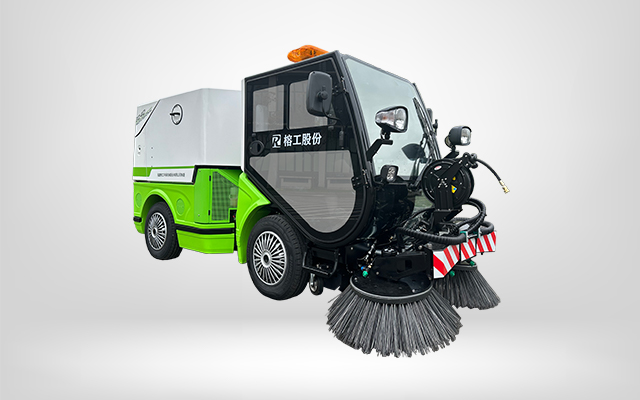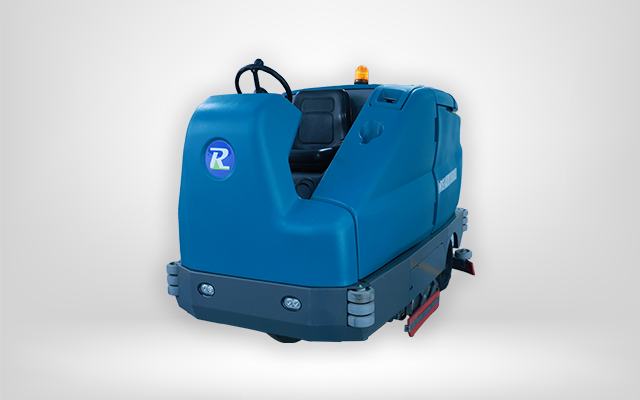
Obtaining accurate public works street sweeper quotes is a crucial step in the procurement process. A quote is far more than a simple price tag; it is a detailed proposal that outlines a potential long-term partnership for a critical municipal service. A well-managed quoting process ensures transparency, promotes fair competition, and is the foundation for acquiring the right equipment at the best possible value. For public works officials, mastering this process is essential for being a good steward of public funds. This guide serves as a complete buyer’s reference to requesting, understanding, and comparing public works street sweeper quotes effectively.
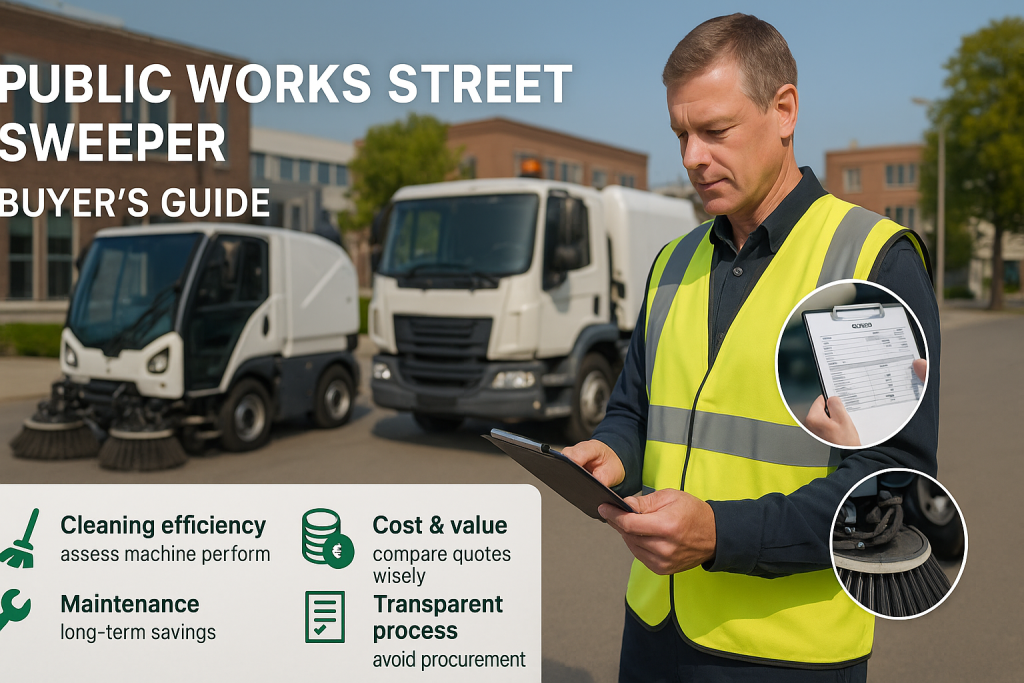
The quality of the public works street sweeper quotes you receive is directly proportional to the quality of the Request for a Quote (RFQ) you send out. A rushed or incomplete RFQ will result in vague or mismatched proposals. A thoughtful, detailed, and well-prepared RFQ is the first and most important step toward a successful procurement outcome.
Before you can ask suppliers for a price, you must have a deep and detailed understanding of your own needs. It is a fundamental mistake to begin the quoting process without this foundational knowledge. This requires a comprehensive needs assessment that goes far beyond a casual overview. It should be a data-driven analysis of your community’s specific cleaning challenges.
This involves mapping all cleaning routes, measuring their length, and noting their characteristics. Are they wide arterial roads or narrow residential streets? Are they flat or do they have steep grades? You must also analyze the typical debris. Is it light litter and leaves, or heavy sand and gravel from winter operations? Involving your frontline operators and mechanics in this assessment is critical. Their hands-on experience provides invaluable insight that cannot be found on a spreadsheet. A detailed needs assessment is the bedrock upon which a strong RFQ is built.
The specifications section of your RFQ is the heart of the document. It tells potential suppliers exactly what you are looking for in a machine. A common error is to write specs that are either too vague or too restrictive. Vague specs can lead to suppliers quoting low-quality machines that are not suitable for the job. Overly restrictive specs, often written around a single brand, stifle competition and can result in higher prices.
The best approach is to write performance-based specifications. Instead of specifying a particular engine model, specify the performance required, such as the ability to maintain a certain sweeping speed on a specific grade. Clearly define your requirements for key features like hopper capacity, water tank size, sweeping path width, and the type of cleaning technology needed. The clearer your specifications, the more accurate and comparable your public works street sweeper quotes will be.
A street sweeper is a long-term asset that will require maintenance, parts, and support for a decade or more. A major mistake in preparing an RFQ is focusing exclusively on the machine itself and forgetting to define the requirements for after-sales support. This leaves the agency vulnerable to poor service after the purchase is complete.
Your RFQ must include a section that details your expectations for support. This is where you specify the required length of the warranty for major components. You should request information on the supplier’s parts availability guarantee. You can even set requirements for service technician response times for warranty repairs. By making support a formal part of the RFQ, you signal to suppliers that long-term partnership is a key evaluation criterion.
Once you receive the proposals, the real work of analysis begins. A professional and transparent supplier will provide a quote that is detailed, clear, and comprehensive. Vague, single-page quotes with just a total price should be viewed with skepticism. A proper quote provides all the information needed to make an informed decision.
A trustworthy quote is never just a single bottom-line number. It should provide a detailed, line-item breakdown of all costs. This starts with the price of the base machine, including the chassis and the standard sweeper module. It should then list the individual price of every optional feature or accessory that you requested in your RFQ. This could include items like a high-pressure washer, an extendable gutter broom, or an advanced camera system.
This level of transparency is a hallmark of a professional municipal road sweeper supplier. It allows you to see exactly what you are paying for. It also enables you to make informed decisions about optional features, weighing their cost against their potential benefit to your operations.
The most forward-thinking suppliers understand that the initial purchase price is only part of the story. The best public works street sweeper quotes will often include a projection of the machine’s Total Cost of Ownership (TCO). This is an estimate of all the costs associated with running the machine over its expected service life.
A TCO projection should include estimated annual costs for fuel or electricity, based on a set number of operating hours. It should also provide projected costs for routine preventive maintenance and for common wear items like brushes, filters, and tires. While this is an estimate, it provides a far more valuable basis for comparing different machines than the purchase price alone. It helps you identify the machine that offers the best long-term value.
There are other costs associated with acquiring a new machine that are often overlooked in the budgeting process. A detailed quote should clearly state these costs. This includes the cost of transporting the machine from the factory or dealership to your municipal depot. This delivery, or freight, cost can be significant and must be included in the total price.
The quote must also detail the costs associated with the supplier’s training programs. It should specify the scope of the training provided for both your operators and your mechanics, how many people are included, and whether it is conducted at your location or theirs. These are essential services, and their costs should be clearly and separately quoted.
The warranty is a critical part of the proposal. A proper quote will not just mention the warranty; it will provide the full details. It should specify the duration of the warranty in years and operating hours. It must be clear about what components are covered. A comprehensive warranty will have different terms for the chassis, the engine, the hopper, and the hydraulic and electronic systems.
In addition to the standard warranty, the quote should also provide pricing and details for any optional extended service plans. These plans can offer budget certainty for future repairs. A strong, clear, and comprehensive warranty package is a key indicator of a manufacturer’s confidence in their product’s quality.
Once you have received several detailed proposals, the next step is to conduct a systematic and objective comparison. This requires moving beyond a simple price comparison and evaluating each quote on its total merit. This is a critical phase of the government road sweeper procurement process.
The most common mistake in public procurement is to be governed by the “low-bid trap.” While fiscal responsibility is paramount, the lowest initial price rarely represents the best long-term value for the public. A disciplined evaluation process is needed to resist this pressure. The best practice is to create a detailed spreadsheet to compare the quotes side-by-side. This matrix should have rows for every single feature, cost, and service requirement from your RFQ. This allows the evaluation committee to conduct an objective, data-driven comparison of the true value offered by each proposal.
When you accept a quote, you are not just buying a machine; you are entering into a long-term relationship with the supplier. The quality of that supplier is a critical factor in the evaluation.
Each quote must be meticulously checked against the technical specifications laid out in the RFQ. The evaluation committee should confirm that the quoted machine meets all the mandatory requirements. A scoring system is a useful tool for this part of the analysis. Points can be awarded for how well each proposal meets not just the mandatory specs, but also the desired, or “preferred,” features. This technical scoring process ensures that the machine you ultimately select is fully capable of performing the tasks required of it.
The quoting process itself can be a valuable test of a supplier’s customer service. How a company behaves when they are trying to win your business is often a good indication of how they will behave after the sale is complete. Did they respond to your RFQ on time? Was their quote professional, complete, and easy to understand? Did they answer any follow-up questions from your team promptly and thoroughly? A supplier who is responsive, professional, and helpful during the quoting process is more likely to provide that same level of service over the long term. This is a key consideration when choosing a council street sweeper supplier.
A direct purchase is not always the only or best way to meet a city’s cleaning needs. A forward-thinking procurement process will also solicit public works street sweeper quotes for alternative models, such as leasing, rentals, or full-service contracts.
Leasing can be an attractive financial option, especially for agencies with limited capital budgets. It allows a municipality to acquire a new, modern street sweeper with predictable monthly or annual payments, rather than a large upfront cost. Your RFQ can be structured to ask suppliers to provide quotes for various multi-year leasing options in addition to a direct purchase price. This allows your finance department to conduct a thorough analysis of the financial implications of leasing versus buying.
For some needs, ownership does not make sense at all. This is often the case for seasonal tasks, such as heavy leaf collection in the autumn, or for short-term needs like a post-event cleanup. In these situations, renting is the most cost-effective solution. Your agency can issue a separate RFQ to solicit quotes for daily road sweeper hire services. These quotes should clearly define the rental rates, the terms and conditions, and what services, such as maintenance and delivery, are included in the price.
Another strategic alternative is to outsource the cleaning work entirely. Instead of buying a machine, you can hire a professional contractor to provide the sweeping service. The RFQ would be structured to solicit quotes for performing the cleaning of specific routes at a certain frequency. This allows for a direct, apples-to-apples comparison between the total cost of performing the work in-house and the cost of using contract road cleaning machines. For some specialized tasks, this can be the most efficient option.
The quoting process culminates in the final steps of verification, justification, and contract negotiation. These steps transform the selected quote from a proposal into a binding agreement that protects the public’s interest.
The collection of competitive public works street sweeper quotes is the primary tool for justifying the necessary budget expenditure. The detailed proposals, especially the TCO analysis, provide the data needed to make a strong case to a city council, board, or other governing body. They allow you to demonstrate that the recommendation is based on a thorough analysis of long-term value, not just the lowest initial price. This transparent, data-driven approach is a cornerstone of responsible public financial management.
A quote is a set of claims on paper. The on-site demonstration is where those claims are verified in the real world. After you have reviewed the quotes and created a shortlist of the top contenders, you must schedule demonstrations. This is where you confirm that the machine’s performance matches the promises made in the quote. It is the final and most important step in the technical evaluation.
The final selected quote becomes the foundation for the formal purchase contract. It is crucial to ensure that all the key details from the proposal are incorporated into this final legal document. This includes the full specifications of the machine, all optional features, the complete warranty terms, and the agreed-upon training and delivery schedules. This final step ensures that all the supplier’s promises are legally binding. It is the culmination of a diligent procurement journey that began with the evolution of the Street sweeper and ends with a modern, effective machine for your community.
Mastering the process of obtaining and evaluating public works street sweeper quotes is a core competency for any successful public works department. A disciplined, transparent, and thorough approach to quoting ensures that the public receives the best possible long-term value from these significant investments. It is a process that protects taxpayer funds and results in the acquisition of the best possible tools to keep our communities clean, safe, and healthy.
This is the first one.