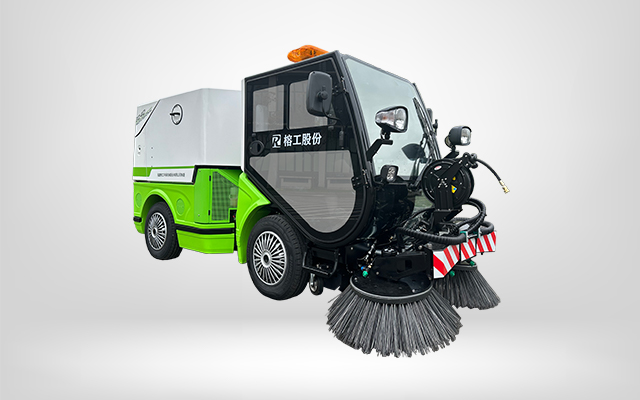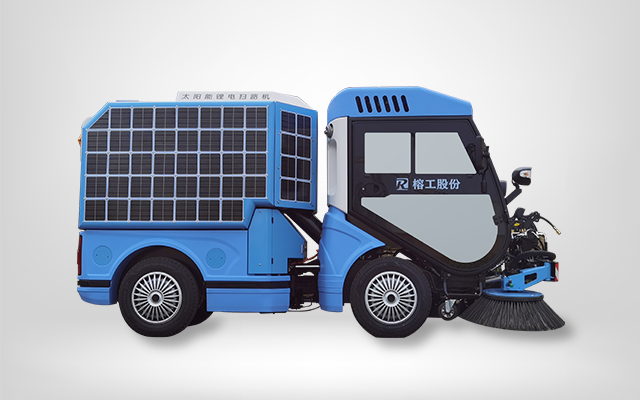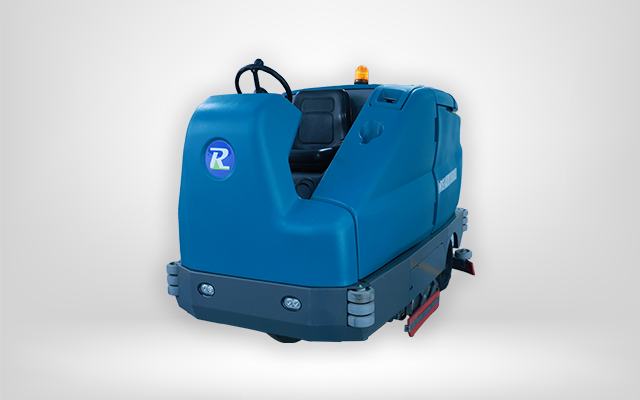
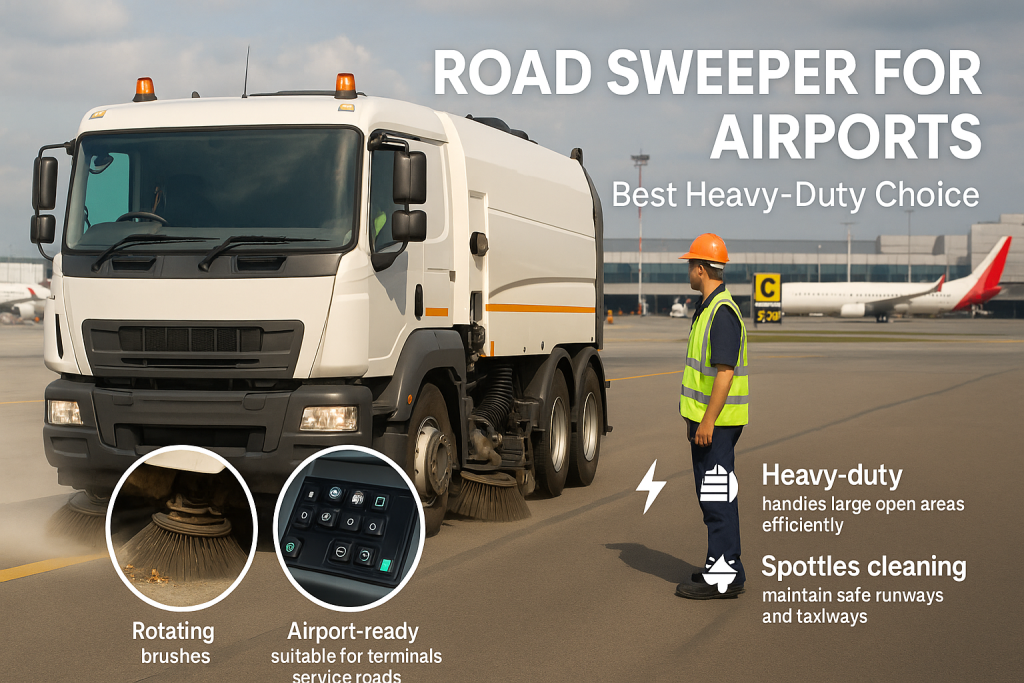
A road sweeper for airports is the ultimate cleaning choice for ensuring aviation safety and operational integrity. An airport is one of the most complex and demanding cleaning environments in the world. The stakes are incredibly high, as the primary mission of any airfield cleaning operation is the complete removal of Foreign Object Debris (FOD). This debris, however small, poses a potentially catastrophic risk to aircraft. Therefore, a road sweeper for airports is not merely a piece of maintenance equipment; it is a mission-critical tool of aviation safety. This guide will provide a complete overview of these specialized machines, detailing their unique features and their vital role in the aviation ecosystem.
To understand the specialized nature of a road sweeper for airports, one must first comprehend the severe and unforgiving danger of Foreign Object Debris. The entire philosophy of airfield cleaning is built around the relentless and meticulous management of FOD. It is a challenge with zero room for error.
Foreign Object Debris is formally defined as any object, living or not, located in an inappropriate location in the airport environment that has the capacity to injure airport personnel and damage aircraft. The range of potential FOD is vast. It can include loose pieces of pavement, small metal fasteners like screws and rivets, tools left behind by maintenance crews, plastic fragments, baggage hardware, and even wildlife.
The primary and most catastrophic danger of FOD is its potential to be ingested into a modern jet engine. A jet engine operates by drawing in a massive volume of air at very high speed. If even a small, hard object is pulled into the engine, it can cause an immediate and explosive failure, shattering the delicate fan blades and potentially leading to a fire.
The financial and human stakes of a FOD-related incident are astronomical. A single FOD ingestion event can cause millions of dollars in damage to a jet engine, requiring its complete replacement. This can ground an aircraft for an extended period, leading to further costs from flight cancellations and delays. The ultimate risk, however, is a catastrophic accident during a critical phase of flight, such as takeoff, which could lead to the loss of the aircraft and everyone on board.
Because the stakes are so high, airfield cleaning is treated with the utmost seriousness. The road sweeper for airports is a frontline defense in this constant battle against FOD. Its performance is not a matter of aesthetics; it is a matter of life and death.
Beyond the general categories of FOD, an airfield also accumulates other specific types of debris that require an effective cleaning solution. In colder climates, the residues from chemical de-icing fluids and the sand used for traction can build up on runways and taxiways. Over time, heavy rubber deposits from aircraft tires can accumulate in the touchdown zones of a runway.
A road sweeper for airports must be versatile enough to handle this entire mix of debris. It needs the power to pick up heavy sand and gravel, the finesse to collect small metal fragments, and the capability to manage the unique chemical and rubber residues found only in an airport environment.
To meet these extreme demands, a road sweeper for airports is a highly specialized machine that incorporates advanced technologies. These are not standard municipal sweepers; they are purpose-built tools designed for maximum performance, speed, and reliability in a high-stakes setting.
For the critical task of runway cleaning, a high-speed regenerative air system is often the preferred technology. This system uses a powerful, closed-loop blast of air to dislodge debris from the pavement surface. The debris is then immediately captured and funneled into the hopper. This technology is exceptionally effective at picking up all types and sizes of FOD, from light plastic fragments to small, dense, metallic objects.
A key advantage of regenerative air systems is their ability to operate at high speeds. A runway is the most critical piece of infrastructure at an airport, and it can only be closed for cleaning for very short windows of time, often at night or between flights. A high-speed sweeper can clean a full runway quickly and efficiently, minimizing the impact on airport operations.
High-power vacuum sweepers are also a very popular and effective choice for airport applications. These machines use powerful fans to generate immense suction, which is focused through a wide pick-up head. This powerful airflow is very effective at lifting debris from the pavement surface, as well as from the small joints and cracks in the concrete or asphalt.
These machines are excellent for the general cleaning of large paved areas like aircraft parking aprons, taxiways, and service roads. They provide excellent dust control and are highly effective at collecting the wide range of debris found across the entire airfield. A high-power vacuum sweeper is a versatile and reliable workhorse for any airport cleaning program.
A true road sweeper for airports is often equipped with additional, specialized features that are designed specifically for the mission of finding and removing FOD. These systems provide an extra layer of safety and thoroughness.
The foundation of a road sweeper for airports is its chassis. These machines are typically built on high-performance, commercial truck chassis that are specified for speed, power, and absolute reliability. They must be able to accelerate quickly and travel at high speeds to move around the vast airfield and to clear runways in the short time windows available.
Mechanical reliability is a non-negotiable requirement. A machine that breaks down on an active runway is not just an inconvenience; it is a major safety incident that can shut down the entire airport. For this reason, these machines are a highly specialized class of highway road cleaning machine, built with the most durable and reliable components available.
The cleaning needs of an airport are diverse, covering a wide range of different surfaces and operational areas. A road sweeper for airports is a versatile tool that is deployed across the entire airside and landside environment.
The most critical application is the sweeping of the active runways. This is the primary mission for which these machines are acquired. Runway sweeping must be performed with the highest possible level of thoroughness to ensure that the surface is completely free of any FOD. This task is often performed on a nightly basis, during the airport’s quietest hours. It can also be done during the day, in the short, coordinated gaps between takeoffs and landings. The speed and efficiency of the sweeper are paramount for this task.
The taxiways and aircraft parking aprons are the circulatory system of the airfield. These areas see a constant flow of aircraft and ground service vehicles. Keeping them clean is essential for preventing FOD from being picked up by tires and tracked onto the runway. These areas are also where aircraft are serviced, so the sweeper must be able to collect any small parts, tools, or other debris that may be dropped during maintenance activities.
The landside areas of an airport, which are accessible to the public, also require a very high standard of cleanliness to create a safe and welcoming environment for travelers. A road sweeper for airports is often used to maintain the extensive network of access roads, the large long-term and short-term parking facilities, and the kerbside areas of the passenger terminals.
In colder climates, an airport sweeper plays a critical role in winter operations. After a snow or ice event, runways and taxiways are treated with sand for traction and with chemical de-icing fluids. Once the weather improves, this material must be removed quickly and completely. A powerful road sweeper for airports has the capability to efficiently collect this heavy and abrasive sand and the slushy residue from the de-icing agents.
The successful use of a road sweeper for airports depends on a set of rigorous and highly disciplined operational best practices. The high-stakes nature of the airfield environment demands a level of professionalism and precision that is unmatched in any other cleaning application.
An airport sweeper operator is a highly skilled professional. Before being allowed to operate a vehicle on an active airfield, they must undergo extensive and specialized training. This goes far beyond simply knowing how to drive the machine. They must become experts in the airport’s specific layout, its procedures, its marking and lighting systems, and its radio communication protocols. They must hold special security clearances and airfield driving certifications.
Airport cleaning is never a reactive or ad-hoc activity. It is a meticulously planned and documented program that is a core part of the airport’s mandatory Safety Management System (SMS). Runways, taxiways, and aprons are all swept on a regular, predetermined schedule. Detailed logs are kept of every sweeping operation. This proactive approach is designed to find and remove FOD before it can ever become a threat.
A road sweeper for airports can be seen as the most specialized and advanced type of heavy-duty municipal road sweeper. The same core principles of power, durability, and reliability are required. The operational environment of a large airport, with its extensive road network and heavy vehicle traffic, also shares many characteristics with a large industrial park. Thus, a machine designed for an airport is also well-suited for a road sweeper for industrial parks.
Airports are large and visible institutions that are under increasing public and regulatory pressure to reduce their environmental footprint. A major trend in airport ground support equipment is the move toward electrification. The development of powerful, all-electric airport sweepers is a key part of this trend. These machines offer the same high-performance cleaning but with zero tailpipe emissions. This aligns with the broader goal of creating a zero-pollution municipal cleaning vehicle fleet. The long history of the Street sweeper is a story of continuous adaptation, and its evolution into a clean, electric, airport-grade machine is its next chapter.
A specialized road sweeper for airports is more than just a cleaning machine; it is an indispensable piece of aviation safety equipment. Its role in the relentless fight against Foreign Object Debris is critical for protecting aircraft, passengers, and crew. For the unique, high-stakes environment of a modern airfield, a purpose-built, high-performance road sweeper for airports is the ultimate and only responsible cleaning choice.
This is the first one.