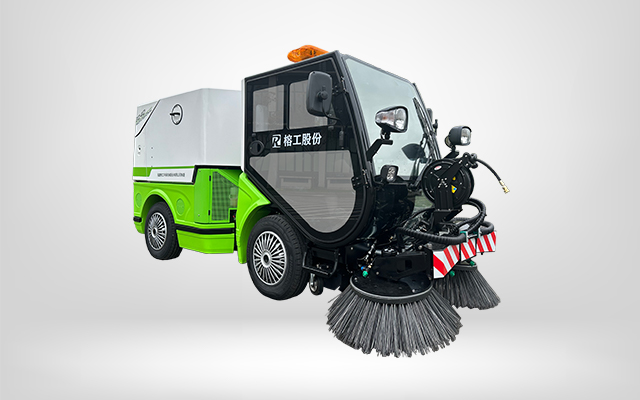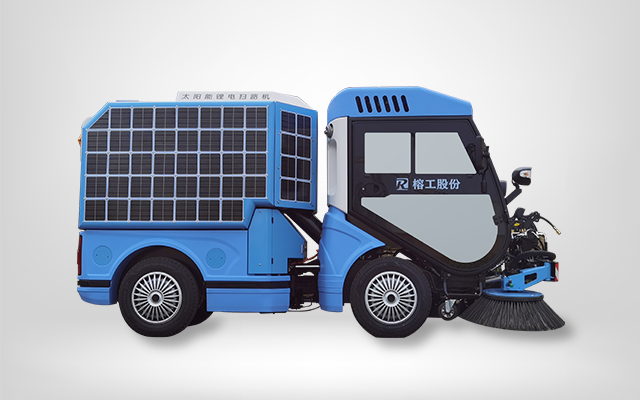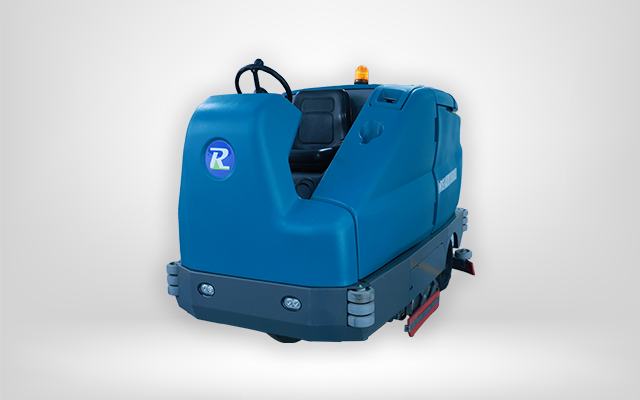
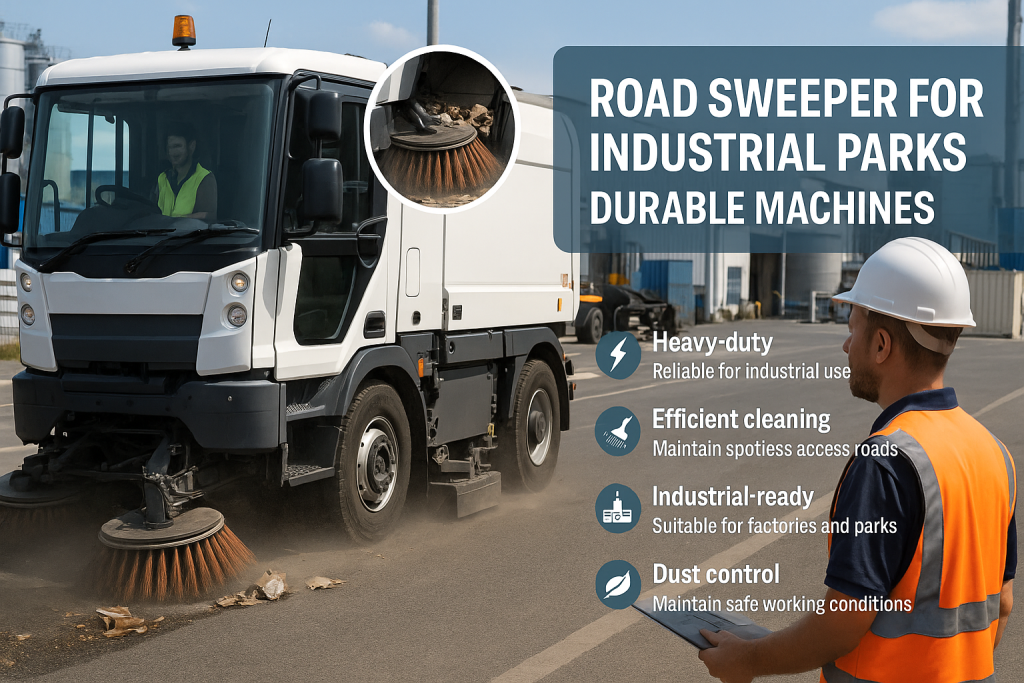
A road sweeper for industrial parks must be a durable machine built to withstand demanding conditions. The operational environment of a modern industrial park is a relentless cycle of heavy vehicle traffic, diverse industrial debris, and the constant need to maintain high standards of safety and environmental compliance. A standard commercial or municipal sweeper, designed for lighter duties, will not survive for long in this punishing setting. A purpose-built road sweeper for industrial parks, by contrast, is engineered from the ground up for maximum durability and performance. This guide will provide an in-depth look at these robust machines, focusing on their essential features, critical applications, and their role as a cornerstone of professional facility management.
To understand why durability is the most important attribute of a road sweeper for industrial parks, one must first appreciate the unique and severe challenges that these environments present. These are not passive commercial spaces; they are active, heavy-duty work zones that place immense stress on any piece of equipment.
The defining characteristic of any industrial park is the constant movement of heavy goods vehicles. Semi-trucks, dump trucks, and other large vehicles are continually entering, leaving, and navigating the site. This relentless traffic is the primary source of much of the debris. Trucks track in large quantities of mud, dirt, and gravel from outside roads. The wear and tear on their own tires and components also contribute to the debris load. This constant, heavy traffic requires a cleaning machine that is itself built to a heavy-duty standard.
The debris found in an industrial park is far more challenging than typical street litter. It is a complex and often heavy mix that reflects the activities of the various tenants within the park. This can include sharp metal shavings from fabrication shops, wood fragments from pallet and crating operations, spilled raw materials like plastic pellets or aggregates, and fine industrial powders.
A road sweeper for industrial parks must be powerful and versatile enough to handle this diverse and often abrasive mixture. It needs the power to lift heavy materials and a cleaning system that can resist clogging and damage from sharp or abrasive objects.
In a busy industrial environment, cleanliness is synonymous with safety. A clean site is a safer site. Removing loose debris like gravel, metal scraps, and broken pallet wood from roadways is essential for preventing tire punctures on the thousands of vehicles that use the park each day. A clean surface also reduces slip-and-fall hazards for employees and visitors.
Furthermore, most industrial parks are subject to strict environmental regulations. This includes rules around the control of airborne dust and the prevention of pollutants from entering the stormwater system. A powerful and efficient road sweeper for industrial parks is a critical tool for meeting these safety and environmental compliance obligations.
A truly durable road sweeper for industrial parks is defined by a set of core features that are specifically designed to withstand the rigors of this environment. These are the engineering choices that ensure a long and productive service life, delivering a strong return on investment.
The foundation of a durable sweeper is its construction. These machines are not built on light-duty frames. They are typically based on a robust, commercial truck-style chassis that is designed to carry heavy loads and withstand constant use. Durability is engineered into every aspect of the machine.
This includes the use of heavy-gauge steel for the frame and body panels. The debris hopper, which takes the most direct abuse, must be constructed from thick, abrasion-resistant steel. All critical components, such as hydraulic lines and wiring, should be well-protected to prevent damage. This is the essence of a true industrial street sweeper machine.
To handle the heavy and varied debris of an industrial park, a powerful cleaning system is required. For the most demanding applications, a mechanical broom sweeper is often the most durable and effective choice. This technology uses a large, powerful main broom to physically throw debris onto a heavy-duty conveyor system. It is exceptionally good at picking up heavy, compacted, and abrasive materials.
High-power vacuum systems are also an effective option. However, for industrial use, they must be specifically designed to be robust. This means they need powerful fans to generate the suction needed for heavy materials and intake systems that are engineered to resist clogging when collecting items like plastic wrap or pallet strapping.
The long-term durability of a road sweeper for industrial parks depends heavily on the quality of its powertrain and hydraulic systems. For this demanding application, a powerful and reliable diesel engine is the most common choice. It provides the high torque and long run times needed for cleaning large areas.
The hydraulic system, which powers the brooms, conveyors, and dumping mechanism, must be oversized and well-protected. Look for machines that use high-quality hydraulic pumps, motors, and hoses from reputable manufacturers. A robust powertrain and a well-engineered hydraulic system are the heart of a durable and reliable machine.
Within the sprawling environment of a modern industrial park, a dedicated road sweeper is deployed for several key applications. Its role is to ensure that all common areas are maintained to a high standard of safety and cleanliness.
The main roads that serve as the arteries of the industrial park see the highest volume of traffic and accumulate the most debris. A large, high-capacity road sweeper for industrial parks is needed to keep these critical routes clean and safe. Regular sweeping prevents the buildup of materials that could cause accidents or damage vehicles. It also projects a professional image for the entire park.
The loading docks and truck staging areas of the individual businesses within the park are the points of highest activity. These zones are where spills are most likely to occur and where debris from loading and unloading operations accumulates. A durable and maneuverable sweeper is needed to keep these critical operational areas clean and safe for workers and drivers.
A key challenge in cleaning an industrial park is the diverse nature of the tenants. The debris generated by a food distribution company is very different from that of a steel fabricator. A versatile road sweeper for industrial parks must be capable of effectively cleaning this wide mix of materials. This versatility is a key attribute that property managers should look for when selecting equipment.
The demanding nature of an industrial park means that the equipment used has much in common with sweepers designed for other harsh environments. Understanding these parallels helps to define the required level of durability.
Choosing the right machine and operating it according to best practices are key to maximizing the value of the investment. A strategic approach to both selection and operation will ensure a long and productive service life.
The best way to verify that a machine has the durability and performance needed for your specific industrial park is to see it work in your own environment. A reputable supplier will always be willing to provide a free, no-obligation, on-site demonstration. This allows you to see firsthand how the machine handles your typical debris and how it navigates your specific site layout. A demonstration is a critical step in the evaluation process.
Durability has a direct and profound impact on a machine’s Total Cost of Ownership. A cheaper, less-durable machine may seem like a good deal upfront, but it will almost certainly cost more in the long run. Frequent breakdowns lead to high repair bills and costly operational downtime. A robustly built machine, while having a higher initial price, will be more reliable and will last longer. A durable machine will also have a much higher resale value at the end of its service life, further lowering its TCO.
A machine is only as good as the person operating it. A well-trained operator is a crucial factor in ensuring a long service life for a road sweeper. Proper training teaches an operator how to use the machine efficiently and how to avoid the kind of abusive operation that can cause premature wear and tear. An operator who is trained to perform daily checks and report minor issues proactively is a key part of a successful preventive maintenance program.
For many industrial park management companies, the most cost-effective and hassle-free solution is to outsource the sweeping function to a professional contractor. Using contract road cleaning machines provides access to a durable, high-performance machine and a skilled operator without any of the costs or burdens of ownership. The contractor is responsible for all maintenance, fuel, and staffing, providing the service for a single, predictable fee.
Even in the world of heavy-duty, durability-focused machines, technology and priorities are evolving. The future of industrial park cleaning will see these robust machines become smarter and more sustainable.
There is a growing demand for more sustainable practices in the industrial sector. This is influencing the design of the road sweeper for industrial parks. While diesel power is still common, manufacturers are introducing models with the latest clean-diesel technology that meets the strictest emission standards. Powerful, all-electric models are also beginning to emerge for this class of machine. This is part of a broader trend toward the zero-pollution municipal cleaning vehicle, a trend that is also taking hold in the private sector.
The most advanced durable sweepers are now being equipped with smart technology. The integration of telematics and IoT systems allows a facility manager to track the machine’s location and productivity in real time. These systems can also monitor the health of the machine’s components, enabling predictive maintenance that can prevent breakdowns before they happen. This technology adds a layer of intelligence that further enhances the machine’s value.
A clean, well-maintained industrial park is a direct reflection of a professional and well-managed operation. It is a safer environment for employees and visitors. It helps to attract and retain high-quality tenants. It is a tangible asset that adds to the overall value of the property. The history of the Street sweeper is one of continuous adaptation to the needs of commerce and industry, and its role today is more important than ever.
A road sweeper for industrial parks must be a durable, powerful, and reliable machine. For any industrial park management company that is committed to maintaining a safe, compliant, and professional environment, investing in a high-quality, purpose-built sweeper is an essential and intelligent decision. It is a core asset that protects the value of the property and the well-being of everyone who works there.
This is the first one.