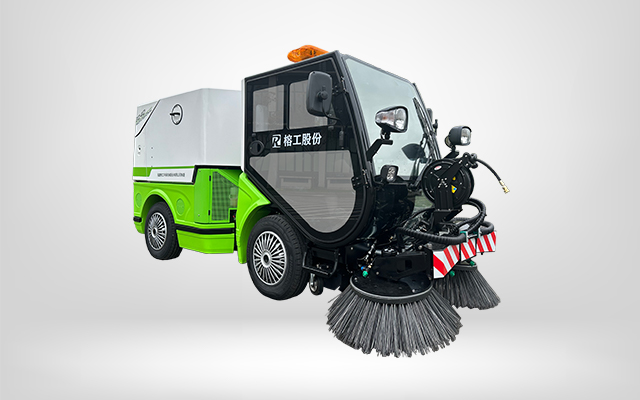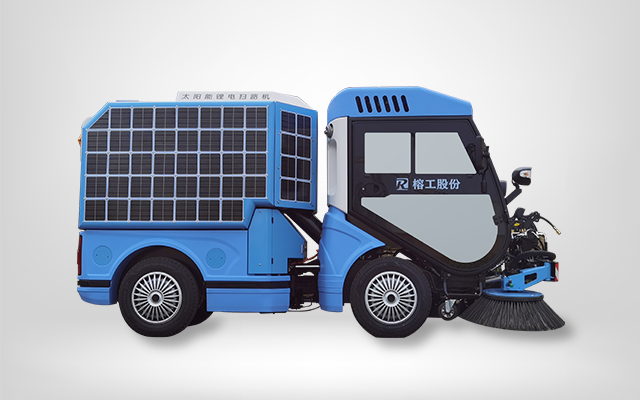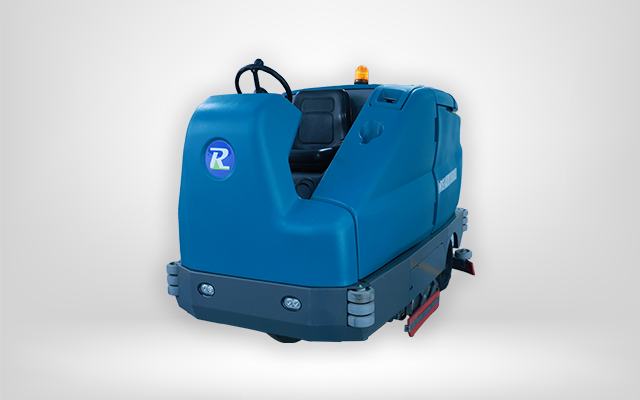
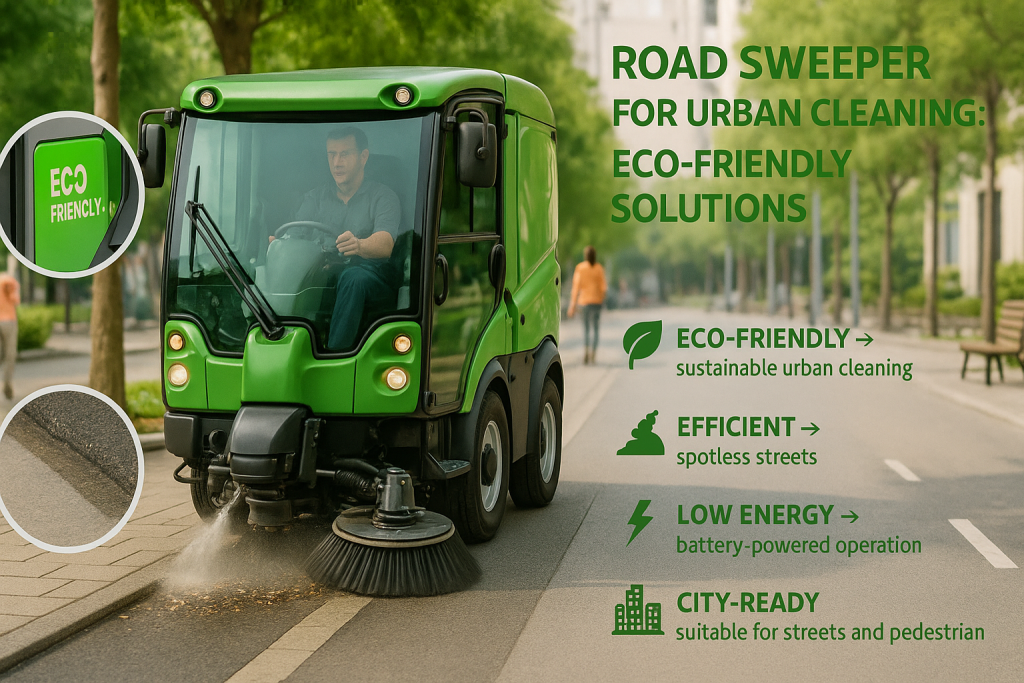
A modern road sweeper for urban cleaning is a powerful tool for promoting environmental sustainability. The challenges of maintaining a city today go far beyond simple debris removal. They encompass critical issues like air quality, water resource protection, and noise pollution. In response, the industry has developed a new generation of eco-friendly solutions. These technologies are at the forefront of sweeper design, transforming these machines into key assets for any city’s environmental strategy. This guide provides a complete overview of the eco-friendly solutions available in a road sweeper for urban cleaning, from advanced power sources to intelligent resource management systems.
Truly eco-friendly cleaning is a holistic approach. It is guided by a set of core principles that aim to minimize the environmental impact of the entire sanitation operation. A modern road sweeper for urban cleaning is engineered from the ground up to adhere to these principles, ensuring that the act of cleaning contributes positively to the urban ecosystem.
The first and most important principle is the reduction of air pollution. This is a two-pronged challenge. The first aspect is the emissions from the sweeper’s own power source. Traditional diesel engines are a source of harmful pollutants like nitrogen oxides and particulate matter. An eco-friendly approach seeks to eliminate or drastically reduce these tailpipe emissions.
The second aspect is the dust generated by the sweeping action itself. The goal is not just to move dust from the street into a hopper, but to capture it effectively so it is not re-released into the atmosphere. A truly eco-friendly road sweeper for urban cleaning must excel in both these areas, ensuring the air is cleaner after it passes.
Water is an essential part of the sweeping process. It is used for dust suppression, preventing harmful particles from becoming airborne. However, water is also a precious and finite resource. The principle of water conservation is therefore central to eco-friendly sweeper design. The goal is to achieve maximum dust control with minimum water usage. This is accomplished through advanced, efficient spray systems and, in the most sophisticated machines, through innovative water recycling technology.
Noise is a significant pollutant in dense urban environments. It affects the quality of life for residents and can be a source of constant stress. Traditional heavy-duty cleaning equipment is notoriously loud, which often restricts its operation to specific, and sometimes inconvenient, hours. The principle of minimizing noise pollution guides engineers to design sweepers that operate as quietly as possible. This involves using advanced sound insulation, quieter fan systems, and, most effectively, alternative power sources like electric batteries.
The single biggest factor in a sweeper’s environmental footprint is its power source. The industry has made tremendous strides in developing cleaner and quieter alternatives to the traditional diesel engine. The choice of powertrain is a defining feature of any modern road sweeper for urban cleaning.
The all-electric sweeper is the ultimate eco-friendly solution. Powered entirely by high-capacity battery packs, these machines produce zero tailpipe emissions. This has a direct and immediate positive impact on local air quality. They are also virtually silent in operation, which dramatically reduces noise pollution. This allows them to work in residential neighborhoods or city centers at any time of day or night without causing a disturbance.
Beyond emissions and noise, electric sweepers also have a smaller maintenance footprint. The absence of an engine eliminates the need for oil, fuel filters, and other consumables, which reduces waste. For cities committed to achieving the highest environmental standards, the electric road sweeper for urban cleaning is the clear choice.
For the heaviest-duty applications where the operational range of electric models may not yet be sufficient, advanced low-emission diesel engines offer a much cleaner alternative to older technologies. Modern diesel engines are engineered to meet extremely stringent international emission standards. They are equipped with sophisticated after-treatment systems to clean their exhaust.
These systems include Diesel Particulate Filters (DPF), which capture soot and ash, and Selective Catalytic Reduction (SCR) systems, which use an additive to neutralize harmful nitrogen oxides. While not zero-emission, these advanced diesel engines are a world away from the polluting engines of the past and represent a viable eco-friendly option for certain demanding tasks.
Bridging the gap between advanced diesel and fully electric power are various alternative fuels. Compressed Natural Gas (CNG) is one established option. A sweeper running on CNG produces significantly lower levels of particulate matter and other pollutants compared to a diesel engine. Another emerging option is Hydrotreated Vegetable Oil (HVO). This is a renewable, bio-based fuel that can often be used in existing diesel engines with little or no modification. Both these fuels offer a way for fleets to immediately reduce their emissions profile while the infrastructure for full electrification continues to develop. These options are a key part of the range of eco-friendly city cleaning equipment available today.
A truly eco-friendly road sweeper for urban cleaning does more than just have a clean power source. It must also incorporate advanced systems for managing the dust and water that are integral to the cleaning process. These technologies focus on efficiency and conservation.
The ability to capture fine dust is a critical environmental and public health function. The most dangerous pollutants on a street are often the microscopic particles that are invisible to the naked eye. An eco-friendly sweeper must be equipped with a superior filtration system to trap these particles.
This focus on filtration ensures that the air exhausted from the sweeper is clean, protecting the health of the public.
To address the principle of water conservation, the most advanced sweepers feature onboard water recycling systems. This technology is a significant step forward in efficiency. The system captures the water that is sprayed for dust suppression, along with the collected debris. It then separates the water from the solid waste, runs it through a series of filters, and returns the cleaned water to the freshwater tank to be used again.
This continuous loop can reduce freshwater consumption by a very large percentage. This is not only environmentally responsible but also operationally efficient. It allows the road sweeper for urban cleaning to stay on its route working for much longer periods before needing to stop to refill its water tank.
Regenerative air sweepers, by their very design, are highly efficient in their use of water. Their closed-loop air system is exceptionally good at dislodging and capturing fine dust with only a minimal amount of water needed to assist the process. The powerful, controlled blast of air does most of the work. This makes regenerative air technology an inherently eco-friendly choice, particularly for cleaning in dry climates where water conservation is a top priority. The history of the Street sweeper shows a clear trend toward these more efficient and environmentally conscious technologies.
The effectiveness of any eco-friendly solution depends on deploying the right type of machine in the right environment. Urban landscapes are diverse, and a one-size-fits-all approach is not effective. A strategic deployment of different types of sweepers is key to achieving the best results.
In the tight, congested spaces of a city center or historic district, a large machine is inefficient and disruptive. A compact road sweeper is the ideal eco-friendly solution for these areas. Their small size means they are powered by smaller, more efficient engines or, most often, by electric battery packs. Their agility allows them to clean effectively without blocking traffic or disturbing commerce. They embody the principles of efficiency and low impact, making them perfect for the most sensitive parts of the urban fabric.
A road sweeper does not operate in a vacuum. It is a key component of a city’s overall sanitation and environmental protection program. By removing pollutants from the streets, it prevents them from being washed into the stormwater system. This directly protects the quality of local rivers and lakes and reduces the strain on the city’s water treatment infrastructure. A high-performing city sanitation road sweeper is therefore a vital tool for ecological protection.
The combined benefits of eco-friendly cleaning have a profound and holistic impact on a community. The results are cleaner air, quieter streets, and more visually appealing public spaces. These environmental improvements translate directly into better public health outcomes and a higher quality of life for residents. An eco-friendly road sweeper for urban cleaning is a highly visible symbol of a city’s commitment to its people and its future.
Transitioning to an eco-friendly cleaning fleet requires careful financial planning and a commitment to operational best practices. The long-term benefits of these machines are maximized when they are acquired and operated with a strategic mindset.
Eco-friendly technologies, particularly all-electric models, can sometimes have a higher initial purchase price than traditional diesel machines. For this reason, it is essential to conduct a thorough Total Cost of Ownership (TCO) analysis. This financial model looks beyond the sticker price to calculate the full cost of the machine over its entire service life.
The TCO must include the significant savings that eco-friendly models offer. This includes lower fuel costs (electricity is cheaper than diesel), drastically reduced routine maintenance costs, and potential savings from being exempt from environmental fees or taxes. In many cases, the lower operating costs mean that the TCO of an eco-friendly sweeper is actually lower than that of a conventional model.
An advanced, eco-friendly machine will only deliver its full potential if it is operated correctly. Proper operator training is a crucial investment. This training should focus on techniques that maximize efficiency and minimize the consumption of energy and resources. For an electric sweeper, this might include instruction on how to use the regenerative braking system most effectively. For any sweeper, it includes learning how to plan routes efficiently and use the water system judiciously. An efficient operator is a key part of the eco-friendly equation.
For some councils, the high capital cost of purchasing a new, top-of-the-line eco-friendly sweeper may be a barrier. In these cases, rental or hire services can provide an excellent alternative. Using daily road sweeper hire services allows a municipality to access the latest green technology without the need for a large upfront investment. It is a perfect way to test a specific electric model in your own city to see how it performs. It is also an ideal solution for handling seasonal needs or special, high-profile events where a quiet, zero-emission machine is required.
Ultimately, the adoption of eco-friendly solutions is about more than just buying a new piece of equipment. It represents a fundamental shift in the philosophy of urban management. It is a move away from a purely functional view of cleaning to a more holistic approach that prioritizes long-term sustainability, public health, and quality of life. A modern road sweeper for urban cleaning is not just a tool for removing dirt; it is a key part of a city’s commitment to a greener, healthier future.
A road sweeper for urban cleaning that incorporates eco-friendly solutions is an indispensable asset for any modern city. By focusing on reducing air and noise pollution and conserving water, these machines provide a cleaning service that is in harmony with the goals of a sustainable community. From the clean power of all-electric models to the intelligent use of resources, these technologies deliver a higher standard of sanitation with a lower environmental impact. They are a clear and powerful investment in the health and well-being of a city and its citizens.
This is the first one.