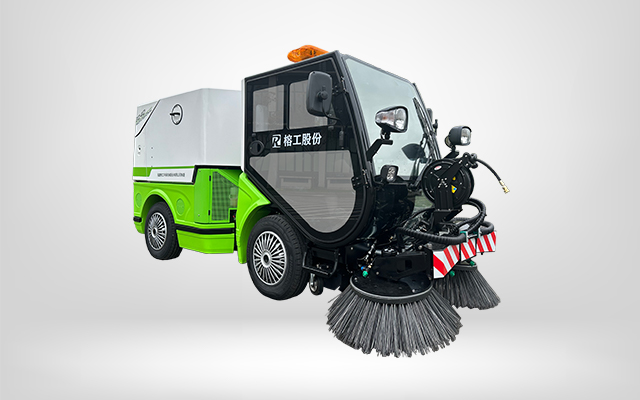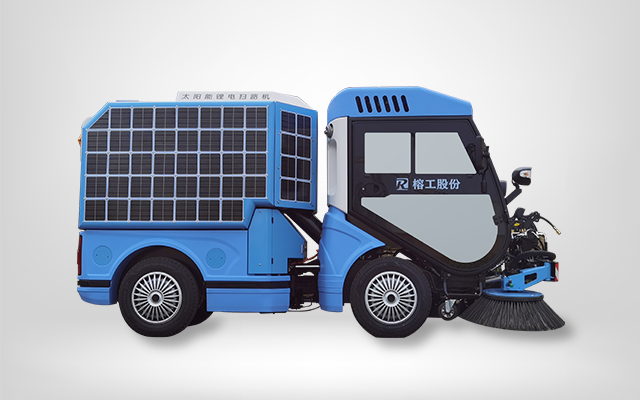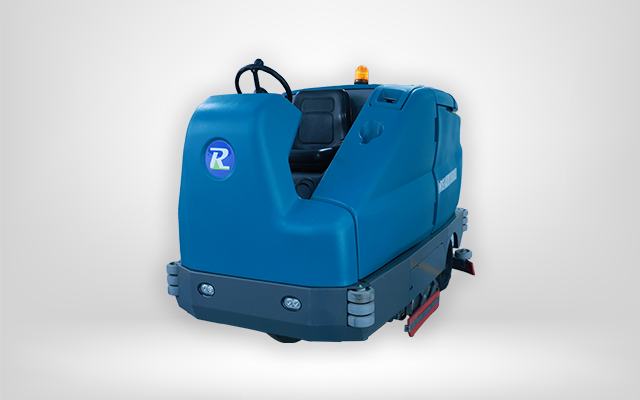
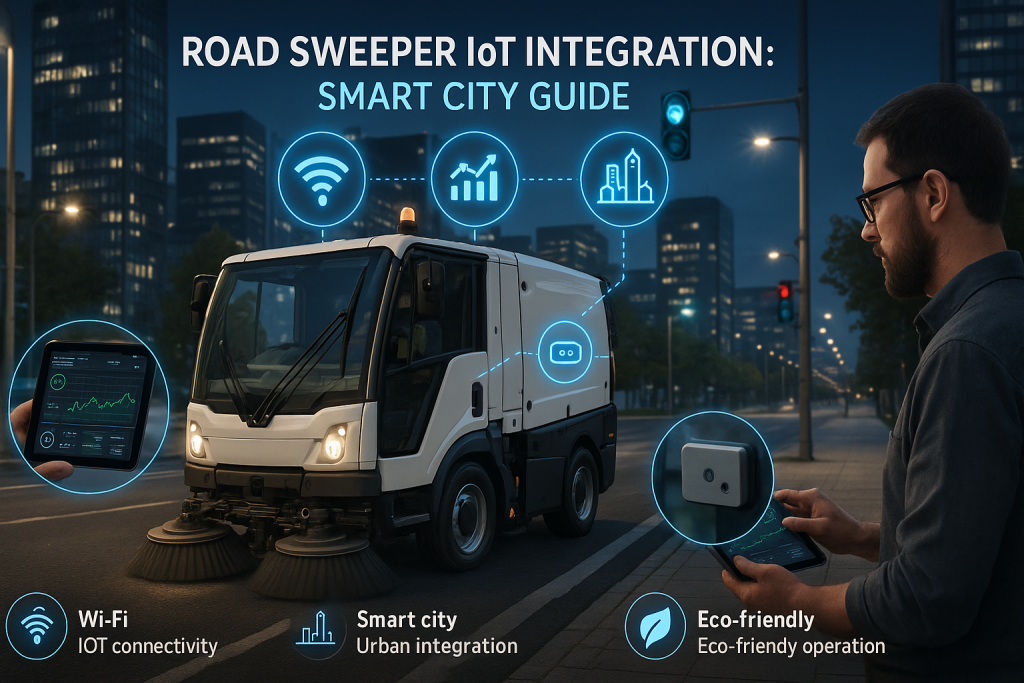
Road sweeper IoT integration is a foundational element of any modern smart city guide. The Internet of Things (IoT) is a transformative technology that connects physical machines, like street sweepers, to a powerful digital management system. This connectivity elevates the sweeper from a simple, standalone piece of hardware into an intelligent, data-generating asset that is fully integrated into a city’s operational network. This integration enables a new era of data-driven decision-making, proactive maintenance, and unprecedented operational efficiency. This guide will provide a complete overview of road sweeper IoT integration, detailing the core technology, its significant benefits, and its critical role in the development of a truly smart city.
To appreciate the profound impact of road sweeper IoT integration, it is first necessary to understand the fundamental concepts of the technology. The Internet of Things is more than just a buzzword; it is a practical and powerful set of tools that are bridging the gap between the physical and digital worlds, creating smarter and more responsive systems.
At its most basic level, the Internet of Things is a network of physical devices. These “things”—in this case, road sweepers—are embedded with sensors, software, and other technologies that allow them to connect to the internet and to exchange data with a central platform and with each other. The primary goal of IoT is to allow physical objects to be monitored and controlled remotely, and to collect data from them in real time. It effectively gives a digital voice to the physical world, allowing a fleet manager to “listen” to their machines.
A road sweeper IoT integration solution is composed of three essential technological layers that work together as a cohesive system. The first layer is the Sensors. The sweeper is equipped with a variety of onboard sensors that are designed to collect specific data points. This includes a GPS unit for precise location tracking, as well as sensors that can monitor the machine’s fuel or battery level, its operating hours, the status of its hopper, and the health of its engine or hydraulic systems.
The second layer is the Network. This is the communications infrastructure that allows the sweeper to transmit the data it collects. This is typically a robust cellular connection, similar to the one in a smartphone, which provides reliable connectivity across a wide geographic area. The third and final layer is the Platform. This is the cloud-based software application where all the data from the entire fleet is sent. This platform is the central hub where the data is stored, analyzed, visualized, and transformed into actionable intelligence for the fleet manager.
It is important to understand that a true road sweeper IoT integration is much more than simple GPS tracking. Basic telematics, which has been around for some time, can tell you where a machine is. A fully integrated IoT solution, however, enables a rich, two-way flow of information and deep data analysis. It is not just about knowing the location of a sweeper; it is about understanding its complete operational status, its health, and its performance in real time. It is about using that data to make smarter, faster, and more effective decisions.
The implementation of a road sweeper IoT integration solution delivers a wide range of tangible and proven benefits. These advantages translate directly into a more efficient, more reliable, and more cost-effective cleaning operation. The technology provides a clear and compelling return on investment.
The most immediate benefit of road sweeper IoT integration is the complete, real-time visibility it provides to fleet managers. From a single dashboard on their computer, a manager can see the exact, live location of every single sweeper in their fleet on a digital map. This “God’s-eye view” is a game-changer for day-to-day operations.
It allows for smarter and more efficient dispatching. If an urgent, unplanned cleaning request comes in, the manager can instantly identify the closest available unit and send it to the location. It also provides an indisputable, digital record of service. The system creates a “breadcrumb trail” of every street that has been cleaned, which can be used to verify that all scheduled work has been completed and to provide documented proof of service to address any citizen inquiries.
One of the most powerful benefits of road sweeper IoT integration is its ability to enable a proactive, predictive maintenance program. The traditional model of maintenance is a reactive one: you fix a machine after it has already broken down. This leads to costly, unexpected downtime.
An IoT-enabled sweeper, however, is constantly reporting on its own internal health. The sensors monitor critical operational parameters, such as engine temperature, hydraulic pressure, and vibration levels. The IoT platform can analyze this stream of data to detect the subtle, early warning signs of a potential mechanical failure. It can then automatically generate a maintenance alert, allowing the workshop to schedule a repair before the failure ever occurs. This maximizes uptime and dramatically reduces long-term repair costs.
The data generated by a smart road sweeper with IoT is the fuel for powerful artificial intelligence algorithms. A key benefit of this is AI-powered route optimization. The system can take a list of all the streets that need to be cleaned and calculate the most mathematically efficient path for the sweeper to follow.
The AI can consider dozens of variables in real time, including current traffic conditions, the vehicle’s fuel level, and the distance to the nearest disposal site. The result is a perfect route that minimizes non-productive travel time, reduces fuel consumption, and lowers the overall labor hours required to complete the work.
A road sweeper IoT integration is a powerful tool on its own, but its true potential is realized when it is integrated into the broader ecosystem of a smart city. In this context, the sweeper becomes more than just a cleaning machine; it becomes an active and intelligent part of the city’s nervous system.
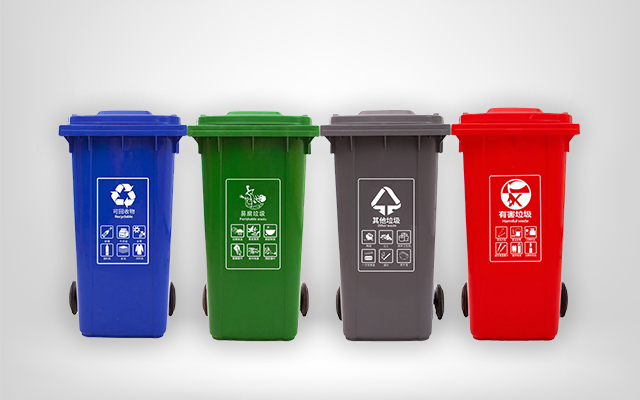
This is where the concept of a true smart city road sweeper solutions comes to life. The integrated sweeper can “talk” to and “listen” to other intelligent infrastructure throughout the city. For example, a network of smart waste bins can be equipped with sensors that detect when they are full. When a bin in a public plaza reports that it is full, it can also send a signal to the sanitation platform, automatically creating a task for a sweeper to clean the surrounding area, as a full bin is a strong indicator of high foot traffic and potential litter.
This integration with other city systems allows for a fundamental shift away from rigid, fixed cleaning schedules and toward a much more efficient, on-demand service model. A sweeper can be dispatched dynamically based on a real-time, data-driven understanding of the city’s needs. This ensures that cleaning resources are always directed to the areas that need them most, at the time they are needed. This responsiveness leads to a higher standard of cleanliness and a more efficient use of public resources.
A fully integrated sweeper is also a valuable mobile data collection platform. As it travels its routes, its onboard sensors can be used to gather a wealth of information about the state of the urban environment.
The process of implementing a road sweeper IoT integration solution is a major technological upgrade. It requires careful planning, a scalable and secure platform, and a strong partnership with an expert technology provider.
It is essential to choose a supplier who can provide a complete, end-to-end, integrated solution. This includes not just the physical machine, but also the onboard sensors, the network connectivity, the cloud software platform, and the ongoing support. You are not just buying a product; you are buying a long-term service. The ideal partner will have deep expertise in both heavy equipment and modern software and IoT technology.
The software platform is the heart of the system. It must be designed to be scalable, meaning it can easily handle a growing fleet as you add more connected vehicles over time. Most importantly, the platform and the entire system must be built on a foundation of robust cybersecurity. A fleet of connected vehicles is a potential target for cyber threats, and the system must be protected with strong encryption and secure access protocols.
A city does not need to connect its entire fleet all at once. The best practice for implementation is often a gradual, phased approach. The process can begin with a small pilot program, where a few sweepers are equipped with the IoT technology. This allows the public works department to learn the system, train its staff, and demonstrate the value of the technology in a controlled environment. Based on the success of the pilot, the solution can then be scaled up across the entire fleet.
The road sweeper IoT integration is a foundational technology that is paving the way for the future of the cleaning industry. It is the essential first step on the path toward a fully autonomous and intelligent sanitation system.
The rich, real-time data, the precise positioning, and the constant connectivity of an IoT system are the absolute prerequisites for a self-driving vehicle. An autonomous system needs to know exactly where it is, it needs to “see” its environment through its sensors, and it needs to communicate with a central command system. An IoT-enabled sweeper already has this entire digital framework in place. It is the logical and necessary stepping stone to a fully autonomous road sweeper and other autonomous sweeping solutions.
The massive amount of data collected by the integrated fleet can be used to create a “digital twin” of the city’s entire sanitation operation. This is a highly detailed, virtual model that lives in the cloud. This digital twin can be used as a powerful simulation tool, allowing managers to test new routes, schedules, and fleet deployment strategies in the virtual world before implementing them in the real world.
The history of the Street sweeper is a story of continuous technological evolution. The full integration of IoT is the current and most transformative stage of that evolutionary journey. It marks the point where the sweeper ceases to be just a piece of mechanical hardware and becomes a truly high-tech street sweeper machine.
Road sweeper IoT integration is the key to unlocking the future of urban maintenance. It is a transformative technology that makes cleaning operations more efficient, more proactive, more intelligent, and more accountable. It is a cornerstone of any modern smart city strategy and is a powerful investment in a more effective and data-driven future.
This is the first one.