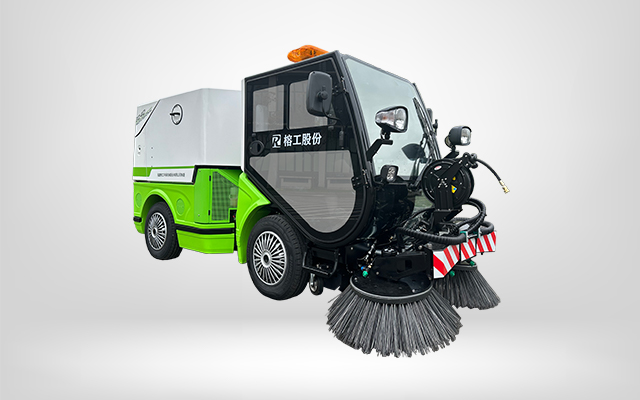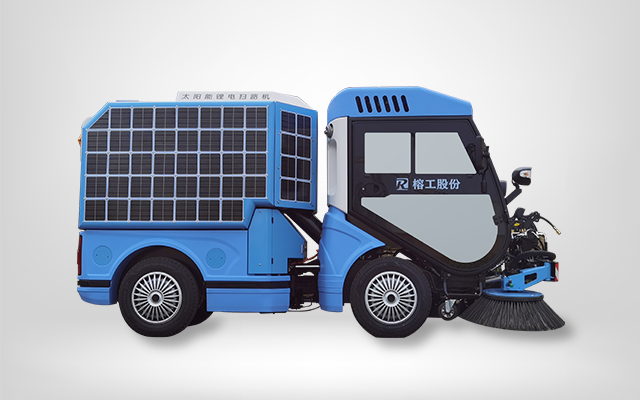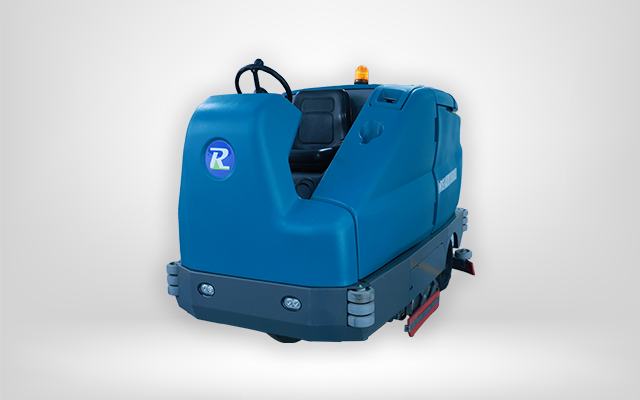
Road sweeper rental for cities offers an affordable and flexible approach to municipal cleaning. For local councils and public works departments, the high cost of purchasing and maintaining a large, diverse fleet of specialized equipment can be a significant budgetary challenge. Owning enough machines to handle every possible cleaning scenario, from routine routes to seasonal peaks and unexpected emergencies, is often not the most financially prudent option. Road sweeper rental for cities provides a powerful alternative, giving them on-demand access to the exact equipment they need, precisely when they need it. This guide will serve as a comprehensive overview of the affordable options available and how to use them strategically.
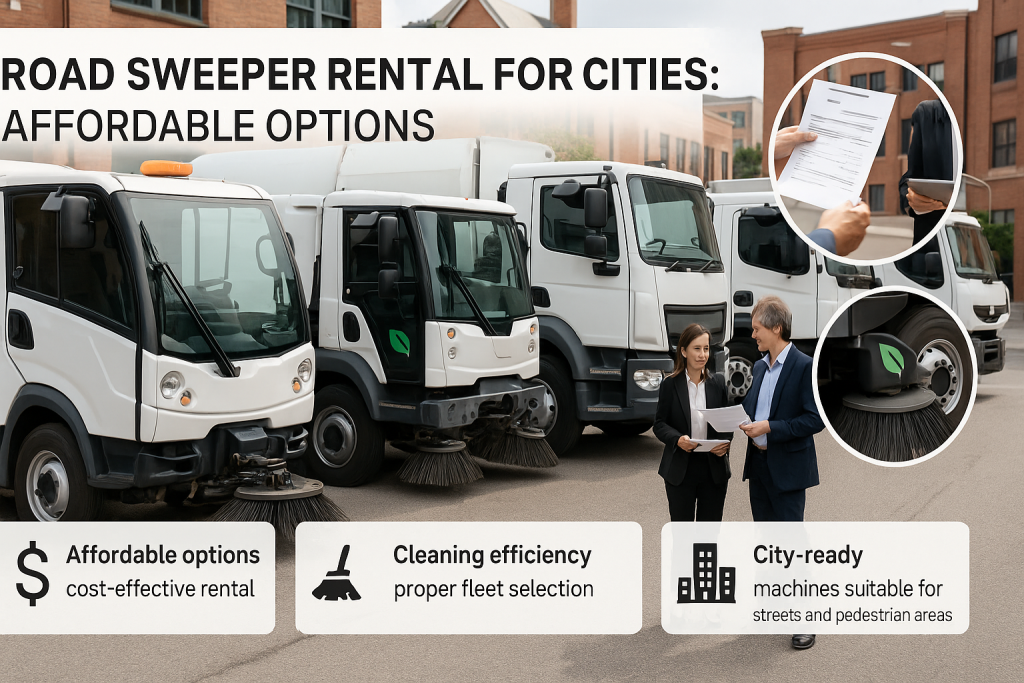
The most significant and immediate way that road sweeper rental for cities creates savings is by completely eliminating the need for large capital expenditures. This fundamental financial advantage allows municipalities to meet their cleaning obligations in a much more flexible and budget-friendly manner.
A new street sweeper is a major capital asset, and its purchase requires a substantial, and often difficult to secure, allocation from a capital budget. This process can take months or even years of planning and approvals. For cleaning needs that are temporary or project-based, this capital investment simply does not make financial sense.
Road sweeper rental for cities bypasses this entire process. The cost of a rental is an operational expense, not a capital one. This means it can be paid for out of a department’s regular operating budget, the same way other services are funded. This makes it much faster and easier to acquire the cleaning capacity needed for a specific, short-term task.
When a city purchases a sweeper without having the cash on hand, it typically must take on some form of long-term debt, such as issuing a municipal bond. This debt comes with interest costs that add to the total expense of the machine over its lifetime.
Renting is a simple service transaction. It is a fee paid for the temporary use of an asset. There is no loan and therefore no associated long-term debt or interest costs. This is a direct and clear financial saving compared to a financed purchase. It ensures that public funds are not being spent on interest payments for an asset that may only be needed for a short period.
At its core, the rental model is the ultimate “pay-for-use” system. A city pays for the cleaning capacity of the sweeper only for the exact period of time that it is needed. This is an inherently more affordable and efficient model for non-routine tasks compared to owning an asset full-time.
This approach perfectly aligns the cost of the service with the specific operational need. If a sweeper is only needed for one week to clean up after a festival, the city only pays for that one week. With an owned asset, the city is paying for its cost (through depreciation and storage) every single day of the year, whether it is being used or not.
While owning or leasing is the right choice for a city’s core, year-round fleet, there are many specific scenarios where a road sweeper rental for cities is by far the most affordable and logical option. Recognizing these situations is the key to a smart and cost-effective fleet management strategy.
The most classic example of a perfect use case for rentals is the management of seasonal peaks in demand. In many parts of the world, the autumn leaf season creates a massive, but temporary, surge in the volume of street debris. A city’s regular fleet may be completely overwhelmed for a period of six to eight weeks.
It would be financially irresponsible to purchase several extra sweepers just for this short season, only to have them sit idle for the rest of the year. The far more affordable option is to use a municipal road sweeper rental service to bring in the extra capacity needed. This allows the city to scale its fleet up for the peak season and then scale it back down, paying only for the extra capacity when it is actually required.
Cities are vibrant places that host a wide range of special events, such as parades, marathons, street fairs, and holiday festivals. These events generate a significant amount of litter and require a major cleanup effort to return the public spaces to their normal condition.
A road sweeper rental for cities is the ideal solution for this. A city can hire a fleet of sweepers for a single day or a weekend to handle the intensive post-event cleanup. The cost of this service can be planned for and built directly into the overall budget for the event. This is a highly efficient and affordable way to manage the sanitation needs of these important community gatherings.
Public works departments must always be ready to respond to the unexpected. A major rainstorm can cause mudslides or wash a large amount of debris onto the roads. An industrial accident could result in a large spill of non-hazardous material. In these emergency situations, an immediate and large-scale cleanup is required.
A road sweeper rental for cities provides the ability to rapidly access the necessary equipment without delay. It allows a city to bring in multiple machines at once to tackle a large problem quickly. Because it is an operational expense, it can often be approved much faster than an emergency capital purchase, ensuring a swift and effective response.
Rentals are also the perfect solution for specific, project-based work. A city might be undertaking a special neighborhood beautification project that will last for a month. A local utility company might be doing road work that will require cleanup for a few weeks. In these cases, renting a sweeper for the exact duration of the project is the most affordable and logical choice. It turns the cleaning cost into a predictable and manageable project line item.
The affordability of a road sweeper rental for cities extends beyond the avoidance of capital costs. The rental model also eliminates many of the hidden and often unpredictable operational costs that are associated with equipment ownership.
One of the greatest financial risks of owning heavy equipment is the cost of maintenance and repairs. A major failure of an engine or hydraulic system can result in a repair bill that can be tens of thousands of dollars, causing a major shock to an operational budget. When you rent a sweeper, this risk is completely eliminated.
A road sweeper is a large machine that requires a significant amount of space for storage when not in use. For a machine that is only used seasonally, the cost of this long-term storage or garaging can be a significant hidden expense. The rental model eliminates this cost. When the job is done, the machine is simply returned to the rental company. The city also avoids the cost of annual registration and the high insurance premiums associated with owning a heavy vehicle.
Rental fleets are typically composed of modern, late-model machines. Rental companies must keep their fleets up-to-date to remain competitive. For a city that may have an older owned fleet, renting provides access to the latest, most fuel-efficient technology without having to pay the high price of a new machine. Using a newer, more efficient rental unit can lead to direct and measurable savings on fuel costs during the rental period.
To ensure that your road sweeper rental for cities is truly an affordable and positive experience, it is crucial to partner with a high-quality, professional rental company. Careful selection of your rental partner is key to achieving the best value.
To get the most affordable deal, you must select the rental term that best matches your need. Rental rates are almost always tiered. The shortest term, often available through daily road sweeper hire services, will have the highest per-day cost. A weekly rate will offer a significant discount over the daily rate. A monthly rate will have the lowest per-day equivalent cost and is the best value for longer projects. Accurately estimating your project’s duration and choosing the right rate tier is a simple way to maximize affordability.
An affordable rental can quickly become expensive if the contract is filled with hidden fees and extra charges. Before signing an agreement, you must demand a clear, transparent, and all-inclusive quote. This quote should clearly state the base rental rate. It must also list any and all additional costs, such as the fees for delivery and pickup, any environmental fees, and the charges for exceeding any usage limits. A reputable provider will be happy to provide a quote with no surprises.
It is always advisable to partner with a company that specializes in road sweepers and other cleaning equipment. A general rental company might have one or two sweepers, but a specialist will have a large and diverse fleet. They will have a deeper understanding of your needs and can provide expert advice on which machine is the best fit for your specific application. A company that also provides commercial road cleaning equipment hire will have a broad range of experience that can be valuable for a municipal client.
The most financially savvy and operationally resilient cities do not rely on a single method of equipment acquisition. They use a strategic, hybrid approach that combines owning, leasing, and renting to create a flexible and cost-effective fleet.
The goal of a modern fleet strategy is to achieve “fleet elasticity.” This means having the ability to easily scale the size of your fleet up or down to perfectly match the current operational demand. This is the most affordable way to run a fleet, as it ensures you are never paying for idle, underutilized assets.
This is achieved through a hybrid model. A city might own or lease a core fleet of sweepers to handle its baseline, year-round cleaning needs. It then uses a road sweeper rental for cities to provide the “elasticity,” bringing in extra machines to handle seasonal peaks, special events, and emergencies.
It is important to understand the financial tipping point between renting and leasing. Renting is for temporary needs. Leasing is for long-term, ongoing needs. If a city finds that it is renting the same machine for three or four months every single year, it has likely crossed this tipping point. At this stage, a multi-year, road sweeper leasing company agreement for that machine would almost certainly be a more affordable option than the recurring rental. A good equipment partner can help a city analyze its usage patterns to identify this point.
The growing popularity of rental and leasing services is part of a larger, global shift in how organizations manage their assets. The traditional model of owning everything is being replaced by more flexible and financially agile “as-a-service” models. The increasing complexity and technological sophistication of modern equipment, a key theme in the history of the Street sweeper, has made these service-based approaches even more attractive. They allow organizations to access the best tools without the burdens of ownership.
By strategically using a road sweeper rental for cities, councils can meet all of their sanitation obligations in a highly efficient and fiscally responsible manner. It is a powerful and affordable tool for managing the variable and often unpredictable demands of municipal cleaning. It allows a public works department to be more responsive, more agile, and a better steward of public funds, ensuring a clean and safe community for all.
This is the first one.