Smart city road sweeper solutions are redefining the standards of urban sanitation and efficiency. This represents a significant evolution from traditional, scheduled cleaning routes to an intelligent, data-driven, and responsive system. These advanced solutions leverage a powerful combination of technologies, including the Internet of Things (IoT), artificial intelligence (AI), and advanced telematics. They are a core component of a modern smart city’s infrastructure, turning the humble street sweeper into a connected, intelligent asset. This guide provides a complete overview of smart city road sweeper solutions, exploring the technology, the operational transformations, and their integration into the broader urban ecosystem.
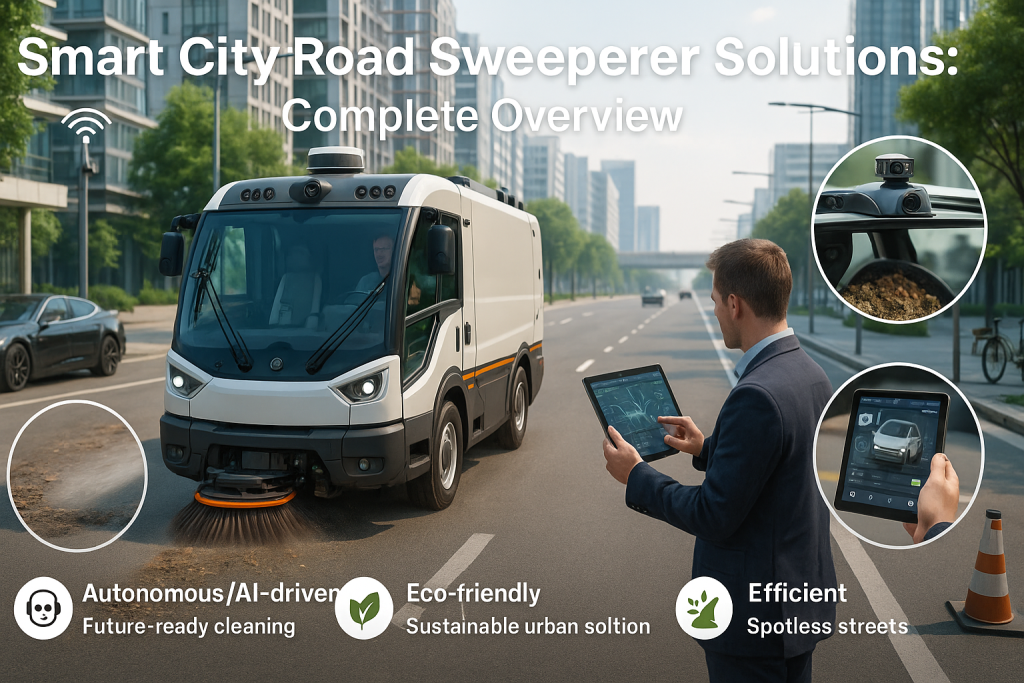
At its heart, a smart city road sweeper solution is a system with three main components working in harmony. It starts with a modern, connected vehicle, adds a layer of intelligent sensors for data collection, and is managed through a central software platform. Understanding each of these elements is key to grasping the full potential of this technology.
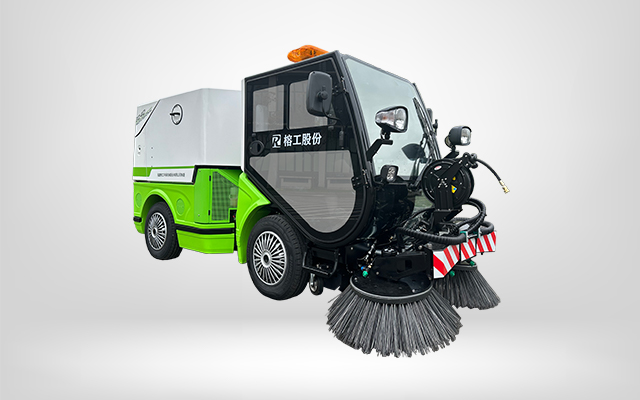
The foundation of the system is the sweeper itself. A smart sweeper is more than just a cleaning machine; it is a mobile data hub. These vehicles are equipped from the factory with an array of onboard sensors and a dedicated communications module. This allows the machine to both generate data about its own status and its environment, and to receive instructions from a central management system.
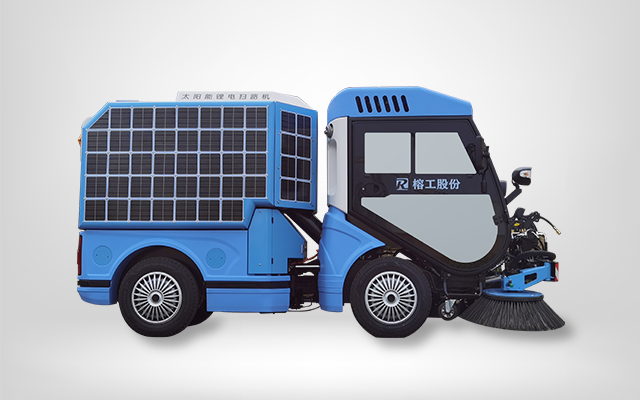
Often, these vehicles are based on the latest chassis technology, frequently featuring electric or other low-emission powertrains. This aligns with the broader sustainability goals of a smart city. This base vehicle, a high-tech street sweeper machine, is the essential hardware that forms the starting point for a comprehensive smart city solution.
The “smart” aspect of the solution comes from its ability to collect and transmit data. This is made possible by the Internet of Things (IoT). An array of sensors is embedded throughout the sweeper. GPS sensors provide precise, real-time location tracking. Other sensors monitor the vehicle’s operational status: fuel or battery level, engine hours, hopper fullness, water tank level, and even the wear on the sweeping brushes.
Beyond monitoring the machine itself, advanced models can be equipped with environmental sensors. These might include air quality sensors to measure particulates or specialized sensors that can analyze the type of debris being collected. All this information is gathered in a constant stream, providing an unprecedented level of real-time insight into the cleaning operation.
All the data collected by the fleet of sweepers is transmitted to a central management platform. This is the software brain of the entire smart city road sweeper solution. Typically a cloud-based application, this platform provides a single dashboard for public works managers to oversee the entire cleaning operation.
Managers can view the real-time location of every vehicle on a map. They can monitor the status of each sweeper, receive alerts for any issues, and generate detailed reports on performance and efficiency. This platform is also the command center, allowing managers to assign tasks and communicate with operators. This deep road sweeper IoT integration transforms fleet management from a reactive to a proactive process.
The implementation of smart city road sweeper solutions brings about a fundamental transformation in how cleaning is managed. The real-time data and connectivity enable a shift from traditional, rigid methods to a more flexible, efficient, and intelligent operational model.
The traditional model of street cleaning involves fixed routes that are followed on a rigid schedule, such as cleaning a certain neighborhood every Tuesday. This method is inherently inefficient. Some streets may not need cleaning, while others may require attention outside their scheduled day.
Smart city road sweeper solutions enable a move to dynamic, on-demand scheduling. A cleaning task can be triggered by real-world data. For example, a smart waste bin could report an overflow, signaling that the surrounding area likely needs sweeping. A public report of a spill or a special event cleanup can be dispatched directly to the closest available sweeper. Routes can even be optimized in real time to account for current traffic conditions or unexpected road closures. This ensures that resources are always directed where they are needed most.
Unexpected equipment breakdowns are a major source of disruption and cost for any public works department. Smart city road sweeper solutions help to eliminate this problem through predictive maintenance. The IoT sensors on the sweeper constantly monitor the health of its critical components. The system can detect the early warning signs of a potential failure long before it happens.
For instance, the system might detect a gradual drop in hydraulic pressure or an increase in engine temperature. It can then automatically generate a maintenance alert, notifying the workshop of the specific issue. It can even pre-order the necessary parts. This allows maintenance to be scheduled at a convenient time, turning an unplanned, emergency repair into a planned, preventive one. This proactive approach dramatically increases fleet availability and reduces long-term repair costs.
Over time, a fleet of smart sweepers collects a vast and valuable dataset. The central management platform can analyze this historical data to uncover important trends and insights. By aggregating GPS and debris data, managers can create “heat maps” of the city, visually identifying the areas that consistently generate the most litter or debris.
This strategic intelligence can be used to optimize the allocation of cleaning resources. It might show that a particular commercial district requires more frequent cleaning than a residential one. This data can also be used to justify budget requests or to support public education campaigns aimed at reducing litter in problem areas. This analytical capability transforms the cleaning operation from a simple service into a source of valuable urban data.
Artificial intelligence and automation are the next layers of intelligence in smart city road sweeper solutions. These technologies build upon the foundation of data and connectivity to unlock even higher levels of efficiency and capability, paving the way for the future of urban maintenance.
While a human manager can create an efficient route, an AI algorithm can create a mathematically perfect one. AI-powered route optimization is a key feature of advanced smart sweeper platforms. The AI can process dozens of variables simultaneously in a way that is impossible for a human. It can calculate the shortest possible path to clean a set of streets while considering real-time traffic, the vehicle’s current fuel level, the distance to the nearest disposal site, and even weather conditions. This ensures that every single shift is as productive as it can possibly be.
The most advanced smart sweepers are beginning to incorporate cameras and AI-powered image recognition. This technology allows the machine to not only collect debris but also to identify what it is collecting. The system can be trained to recognize different categories of litter, such as plastic bottles, paper cups, or leaves.
This data can provide a granular understanding of a city’s waste stream. For example, a high concentration of plastic bottles in a certain park could lead to the installation of more recycling bins. Identifying a specific type of industrial dust in one area could help pinpoint a source of pollution. This turns the sweeper into a mobile environmental monitoring tool.
The data, sensors, and connectivity that define a smart sweeper are the essential building blocks for full autonomy. A machine that already has a detailed 3D map of its environment, can see obstacles, and can receive route information remotely is already well on its way to becoming self-driving. A smart city, with its connected infrastructure, provides the ideal environment for a safe and effective autonomous road sweeper to operate. The evolution from a manually driven machine to a fully autonomous one, as detailed in the history of the Street sweeper, is the ultimate expression of this smart technology.
A truly smart city road sweeper solution does not operate in a silo. Its full potential is realized when it is integrated with other smart systems across the urban landscape. This connectivity creates a network effect, where the whole system is greater than the sum of its parts.
One of the most powerful integrations is with a network of smart waste bins. These bins are equipped with sensors that can detect when they are nearly full, and they can automatically send a request for collection. This same data can be used to inform the street sweeping schedule.
Vehicle-to-Infrastructure (V2I) communication allows the sweeper to “talk” to the city around it. For example, as a smart sweeper approaches a connected traffic light, it can send a signal requesting a green light or a slightly extended green phase. This allows the heavy vehicle to pass through the intersection without having to stop and start, which saves fuel and time. The sweeper could also receive real-time data from road sensors about an accident or a sudden traffic jam, allowing it to automatically re-route to avoid the delay.
The continuous stream of data from the entire smart sanitation system can be used to create a “digital twin.” This is a highly detailed, virtual model of the city’s cleaning operations. This model can be used as a powerful simulation tool. Managers can test new routing strategies or experiment with different resource allocation plans in the virtual world before implementing them in the real world. This allows for continuous optimization and improvement of the entire sanitation service without any risk or disruption to the public.
The transition to a fully smart cleaning operation is a significant undertaking. It requires careful planning, a phased approach, and a strong partnership with a knowledgeable technology provider.
A city does not need to implement a full-blown smart system overnight. A gradual, phased approach is often the most sensible and successful strategy. The first phase could be to equip the existing fleet of sweepers with basic telematics devices. This allows the city to start collecting baseline data and familiarize itself with the central management platform.
The second phase could involve purchasing a small number of new, fully-equipped smart sweepers to be used in a specific pilot district. This allows the public works department to test the technology and refine its operational procedures in a controlled environment. Based on the success of the pilot, the third phase would be the gradual, city-wide rollout of the solution.
Any system that involves a large fleet of connected vehicles and the collection of urban data must be built on a foundation of robust cybersecurity. The central platform and the vehicles themselves must be protected from hacking and other cyber threats. A comprehensive security protocol is a non-negotiable part of any smart city road sweeper solution.
Data privacy is another critical consideration. The system must have clear policies that govern how data is collected, stored, and used. Any data that could potentially identify individuals must be anonymized and protected. Public trust depends on the responsible and secure management of this information.
Implementing a complex IoT solution requires a technology partner with deep expertise. When selecting a supplier, look beyond the vehicle itself. The ideal partner is one who can provide a complete, integrated solution, including the hardware, the software platform, and the ongoing support.
They should have a proven track record in telematics, IoT, and fleet management software. Ask detailed questions about their data security protocols, their software update process, and their technical support capabilities. A successful implementation depends on choosing a supplier who will be a true technology partner for the long term, providing a genuine smart road sweeper with IoT.
Smart city road sweeper solutions represent a paradigm shift in urban maintenance. They transform street cleaning from a manual, reactive chore into an intelligent, proactive, and optimized service. By leveraging the power of data, connectivity, and automation, these systems allow cities to achieve a higher standard of cleanliness more efficiently and sustainably. For any municipality aiming to be a leader in innovation and quality of life, a smart city road sweeper solution is a critical and forward-thinking investment.
This is the first one.