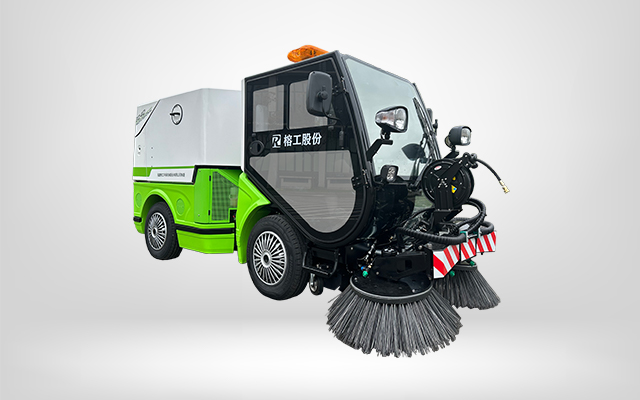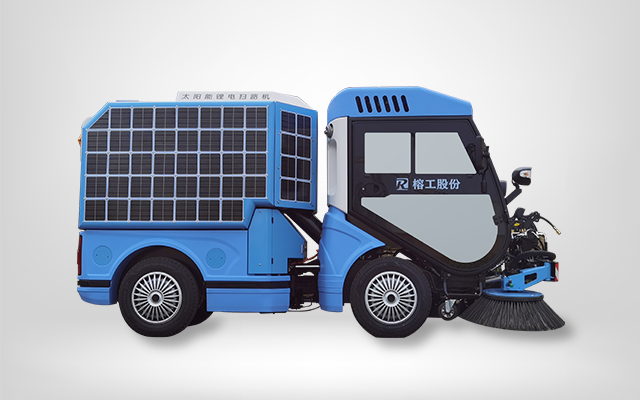
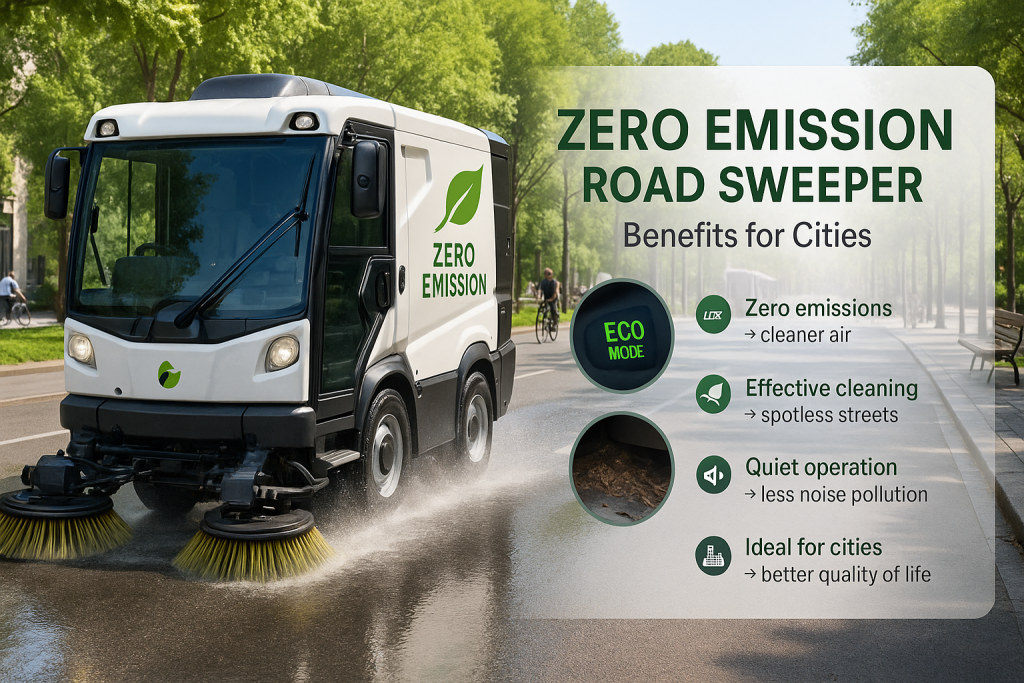
A zero emission road sweeper is a transformative tool for modern urban environmental management. As cities grow, the need to combat air and noise pollution becomes increasingly urgent. A zero emission road sweeper offers a direct and effective solution to these critical challenges. By eliminating tailpipe pollutants and drastically reducing operational noise, these advanced machines are redefining what it means to keep a city clean. This guide will provide a detailed exploration of the extensive benefits that a zero emission road sweeper brings to cities, covering its positive impacts on public health, the environment, operational efficiency, and overall quality of life.
The term “zero emission” is a powerful one, but it is important to understand the technology that makes it possible. This designation refers to a fundamental shift in how a road sweeper is powered and operated. It represents a move away from the internal combustion engines of the past toward a cleaner, more sustainable future of electric power.
A zero emission road sweeper achieves its status by having no tailpipe. Traditional sweepers rely on diesel engines, which burn fuel to create power. This combustion process inherently produces harmful byproducts, including nitrogen oxides (NOx), sulfur oxides (SOx), carbon monoxide (CO), and fine particulate matter (PM2.5). These are released directly into the atmosphere through the exhaust system.
An electric sweeper, by contrast, has no internal combustion engine. It is powered entirely by electricity stored in a large battery pack. This electric powertrain produces no emissions at the point of use. The air in the immediate vicinity of the machine remains clean. This technological leap is a significant event in the long history of the Street Sweeper, marking a new era of environmentally conscious cleaning.
The architecture of a zero emission road sweeper is elegant in its simplicity compared to a diesel machine. The central component is the high-capacity battery pack, which acts as the clean energy reservoir. This battery powers a set of efficient electric motors. These motors perform all the necessary functions: propelling the vehicle, driving the suction fan, and rotating the sweeping brushes.
An advanced onboard computer, or vehicle control unit, manages the flow of energy from the battery to the motors. It optimizes power usage to maximize the machine’s run time and performance. This all-electric system replaces the diesel engine, fuel tanks, complex hydraulic systems, and exhaust treatment components of a traditional sweeper. For a deeper look at the power source, it is useful to understand the specifics of a battery powered road sweeper.
The “zero emission” concept for these sweepers extends beyond just air pollutants. It represents a more holistic reduction of the machine’s environmental impact. A major part of this is the dramatic reduction in noise pollution. The near-silent operation of the electric motors makes these machines far less disruptive than their loud diesel counterparts.
Furthermore, the absence of an engine eliminates the risk of ground-level fluid leaks. There is no engine oil, coolant, or diesel fuel that can spill onto the pavement and be washed into storm drains. In every aspect of its operation, a zero emission road sweeper is a cleaner and less impactful technology, making it a truly modern solution for urban sanitation.
The most significant advantages of deploying a zero emission road sweeper are the profound positive effects on public health and the urban environment. These benefits are measurable, direct, and address some of the most pressing issues facing cities today.
Poor air quality is a major public health crisis in many urban areas. Vehicle emissions are a primary contributor to this problem. A zero emission road sweeper directly tackles this issue by removing a source of pollution from city streets. By eliminating diesel exhaust, a fleet of these machines can lead to a measurable improvement in a city’s air quality index.
This is particularly beneficial for vulnerable populations, such as children, the elderly, and individuals with respiratory conditions like asthma. Every diesel vehicle replaced with an electric one removes a mobile source of harmful pollutants. This creates a healthier breathing environment for residents, commuters, and the operators of the machines themselves.
Noise pollution is often called the invisible pollutant, but its health effects are very real. Chronic exposure to loud noise can lead to stress, sleep disturbances, and other health problems. Diesel-powered municipal vehicles are a major source of urban noise, especially during early-morning operations.
A zero emission road sweeper, with its quiet electric powertrain, is a powerful tool for creating more peaceful communities. The difference in operating noise is substantial. This allows public works departments to clean residential streets at any time without disturbing the peace. In bustling city centers, the reduction in background noise contributes to a more pleasant and less stressful environment for everyone.
Cities around the world are at the forefront of the effort to combat climate change. Many have established ambitious climate action plans with specific targets for reducing greenhouse gas (GHG) emissions. The transportation sector, including municipal fleets, is a key focus area for these plans.
Transitioning the city’s fleet of heavy vehicles from diesel to electric is one of the most impactful actions a municipality can take. Each zero emission road sweeper put into service directly contributes to meeting these GHG reduction targets. It is a visible and practical step toward a more sustainable future. Adopting this technology is a core component of a strategy centered on eco-friendly city cleaning equipment.
Beyond the environmental and health benefits, a zero emission road sweeper offers significant operational advantages to public works departments. These machines are not just cleaner; they are often more efficient, reliable, and versatile than their diesel-powered predecessors.
The quiet operation of a zero emission road sweeper fundamentally changes the logistics of street cleaning. With diesel sweepers, cleaning schedules are often dictated by noise ordinances and the desire to avoid public complaints. This can limit operations to very specific, and sometimes inconvenient, time windows.
Because an electric sweeper is so quiet, these restrictions are lifted. This provides immense flexibility for route planning and scheduling. Cleaning can be performed during the most optimal times for traffic flow and efficiency, whether that is late at night, in the early morning, or even during the day. This ability to operate anytime, anywhere, is a major operational advantage.
The dual benefits of zero emissions and low noise grant these sweepers access to areas that are off-limits to diesel machines. This versatility greatly increases their utility for a public works department.
A key financial and operational benefit of a zero emission road sweeper is its reduced maintenance burden. The electric powertrain is much simpler than an internal combustion engine. This eliminates a long list of routine maintenance tasks. There are no engine oil and filter changes, no fuel system maintenance, no cooling system flushes, and no exhaust system repairs.
This simplicity leads to greater reliability. With fewer moving parts and less vibration, there are simply fewer things that can break. This means the machine spends less time in the maintenance workshop and more time on its cleaning route. Increased uptime is a direct boost to the productivity of the entire cleaning operation.
The benefits of a zero emission road sweeper extend directly to the well-being of its operator. Driving a loud, vibrating diesel truck for an entire shift is a physically demanding job. Long-term exposure to this noise and vibration can have negative health consequences. Operators are also directly exposed to harmful diesel fumes.
An electric sweeper creates a much healthier and more comfortable working environment. The cabin is quiet and free of vibrations and fumes. This reduces operator fatigue, improves concentration, and enhances overall job satisfaction. A healthier, more comfortable operator is also a safer and more productive operator.
The decision to deploy a zero emission road sweeper has ripple effects that can be felt throughout a community. It is an investment that pays dividends in the form of more attractive public spaces, a stronger civic image, and a more robust local economy.
Cleanliness, air quality, and noise levels all contribute to the overall experience of being in a public space. A city that uses zero-emission technology to maintain its parks, plazas, and shopping streets is creating a more pleasant and inviting environment. People are more likely to visit, linger, and enjoy spaces that feel clean, fresh, and peaceful. This can lead to increased community engagement and a more vibrant public life.
When a municipality invests in clean technology for its own fleet, it sends a powerful message to the entire community. It demonstrates a serious commitment to sustainability and environmental leadership. This can inspire private businesses and individual citizens to adopt greener practices in their own lives and operations. The sight of a silent, clean, zero emission road sweeper at work is a highly visible symbol of a city’s dedication to a sustainable future. It is a key element of a fleet of environmentally friendly sweeper machines.
While the initial purchase price of a zero emission road sweeper is typically higher than a diesel model, a comprehensive economic analysis often reveals its long-term financial benefits. The significant savings on fuel and maintenance can lead to a lower total cost of ownership over the machine’s lifespan.
Furthermore, there are broader economic benefits to consider. The positive health impacts of cleaner air can lead to reduced public healthcare costs. The enhanced appeal of cleaner, quieter commercial districts can boost tourism and local retail sales. When viewed as a long-term investment in public health, environmental quality, and economic vitality, a zero emission road sweeper is a fiscally responsible choice.
Making the transition to a zero-emission cleaning fleet requires careful planning and a partnership with the right supplier. It is a strategic move that involves more than just purchasing a new type of vehicle.
For most public works departments, a gradual transition to electric vehicles is the most practical approach. This process should start with a detailed analysis of all cleaning routes. Identify the routes that are the best fit for the range and capabilities of the first electric units. These might be shorter routes in the city center or routes that pass through particularly sensitive areas. Creating a long-term plan for methodically phasing out older diesel models as they reach the end of their service life ensures a smooth and manageable transition.
The single most important prerequisite for adopting a zero emission road sweeper is investing in the proper charging infrastructure. This is a foundational investment that will support the entire electric fleet for years to come. The process should begin with a professional assessment of the electrical capacity at the municipal depot. Based on this assessment, the correct type and number of chargers can be installed. Overnight AC charging is the standard, but DC fast chargers may also be considered to add flexibility for mid-day charging if needed.
Partnering with a supplier who has deep expertise in electric vehicle technology is crucial for a successful transition. They can provide valuable guidance on everything from vehicle selection to charging solutions. When evaluating equipment, pay close attention to the warranty offered on the battery pack, as this is the most critical component. Ensure the supplier has technicians who are properly trained to service high-voltage systems. The goal is to acquire more than just a machine; it is to acquire a complete zero-pollution municipal cleaning vehicle and a support system to go with it.
The zero emission road sweeper is a comprehensive solution to many of the most pressing challenges facing modern cities. Its adoption brings a cascade of benefits, improving public health, protecting the environment, enhancing the quality of urban life, and often improving operational efficiency. It represents the future of municipal cleaning. For any city looking to build a cleaner, quieter, healthier, and more sustainable future for its citizens, a zero emission road sweeper is a critical and necessary investment.
This is the first one.